XRP ledger consensus halts after removing 12% of central nodes, tweak boosts defense
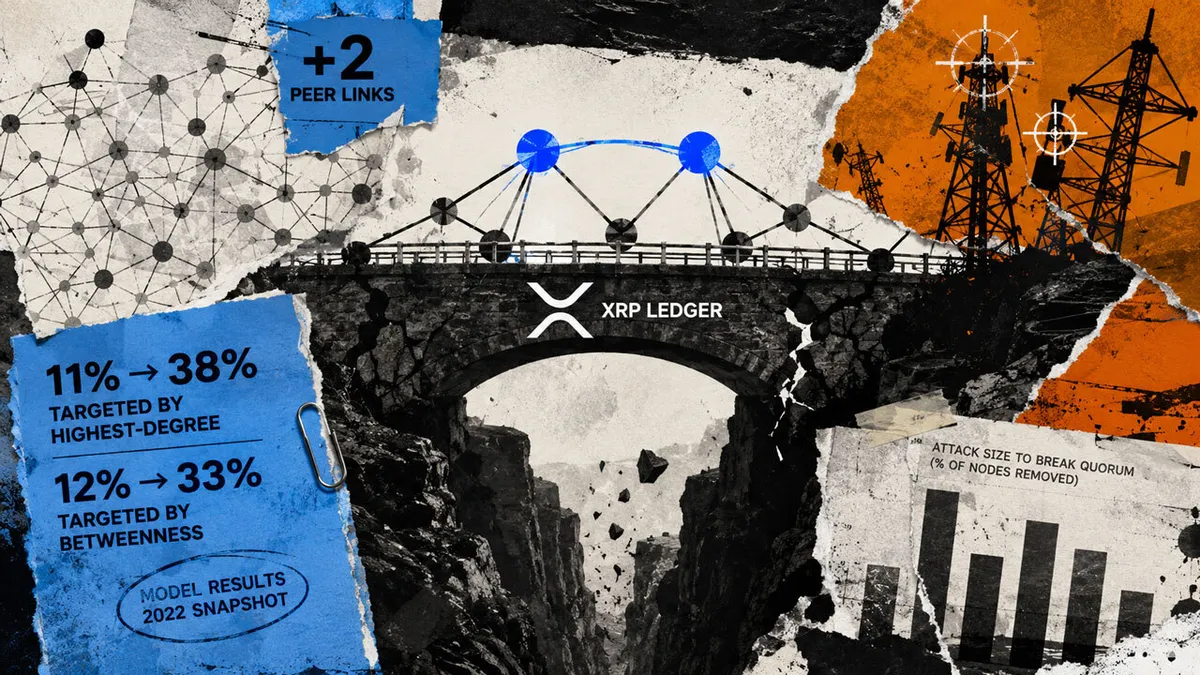
The XRPL consensus mechanism recently encountered a significant freeze after the removal of just 12% of its central nodes. This unexpected halt raised concerns about the network's resilience and stability. In a simulated environment, it was discovered that with only 60% participation, certain random links could elevate the quorum-failure thresholds from 11% to 38% and from 12% to 33%. This indicates that the network's reliance on a limited number of nodes can severely impact its operational capacity under specific conditions.
The context surrounding this event is crucial to understanding the vulnerabilities of the XRPL network. The XRP Ledger, known for its speed and efficiency, has been a target of scrutiny regarding its decentralization. The removal of nodes highlights a significant risk associated with centralization, which could lead to potential failures in the consensus mechanism if a portion of its nodes becomes inactive or compromised. This situation underscores the importance of maintaining a diverse and widely distributed node ecosystem to ensure the robustness of the network.
This incident matters for the market as it raises questions about the long-term viability and security of XRP as a cryptocurrency. Investors and stakeholders often look for stability and resilience in blockchain networks, and any signs of weakness can lead to fluctuations in market confidence. The fact that a small percentage of central nodes can lead to a consensus freeze may cause some investors to reconsider their positions or the overall potential of XRP in a competitive landscape filled with emerging blockchain technologies.
Industry reactions have been mixed, with some experts voicing concern over the implications of centralization within the XRPL. Others see the recent tweak that boosted defense thresholds as a positive step towards enhancing the network's resilience. It demonstrates the potential for improvements and adaptations in response to vulnerabilities. Analysts suggest that this situation could prompt further discussions on governance and node diversity within the XRP ecosystem, potentially leading to a more robust consensus model in the future.
Looking ahead, the XRPL community may need to focus on strategies to further decentralize the network and strengthen its consensus mechanism. This could involve incentivizing a broader range of participants to operate nodes, thereby diluting the concentration of power among a few. As the blockchain landscape continues to evolve, the lessons learned from this incident could serve as a catalyst for innovation and improvement in the XRP Ledger's architecture.

CoinMagnetic Team
Crypto investors since 2017. We trade with our own money and test every exchange ourselves.
Updated: August 2026
From our insights:
Related news

Bitcoin drops below $80K as US PPI records largest gain since 2022

Ethereum, Altcoins See 'Outsized Drawdowns' Due to Macro Pressures

Bitwise CIO sees bitcoin gains if artificial intelligence fails and triggers bailouts

Helius CEO Mert Mumtaz joins NEAR Foundation Council
Zcash drops after a steep leverage buildup and AI encryption worries