XRP New Addresses, Active Supply Plunge Amid Shift to ‘Institutional Rails’

Recent data from Glassnode indicates that the number of new XRP addresses has plummeted to multi-year lows, highlighting a significant shift in the network's user demographics. This decline in new addresses coincides with an increase in the active supply of XRP, which suggests that the cryptocurrency is moving away from its previous focus on retail speculation. Instead, it appears to be transitioning towards a more institutional framework, as larger players begin to enter the market. This evolution reflects broader trends within the crypto space, where institutional interest has been steadily growing.
To understand this development, it’s important to consider the history of XRP and its role within the cryptocurrency ecosystem. Initially popular among retail investors, XRP has faced various challenges, including regulatory scrutiny and legal battles, particularly with the U.S. Securities and Exchange Commission (SEC). These setbacks may have deterred some retail investors, but the potential for XRP to be utilized as a bridge currency for cross-border transactions has attracted institutional players. As traditional finance continues to explore blockchain technology, XRP’s utility may be increasingly recognized in institutional corridors.
This transition has implications for the broader market, as it may signal a maturation of the cryptocurrency sector. A decline in retail participation could lead to less volatility, typically associated with speculative trading, which may foster a more stable environment for long-term investment. Furthermore, increased institutional involvement could enhance the credibility of XRP and set a precedent for other cryptocurrencies, potentially influencing regulatory frameworks and market dynamics across the board.
Industry reactions to this shift have been mixed but generally optimistic. Experts recognize the potential benefits of institutional adoption, highlighting that it can lead to greater liquidity and more robust market infrastructure. Some analysts suggest that this transition could pave the way for new use cases and innovations in the XRP ecosystem. However, there are also concerns about the long-term effects of a reduced retail presence, as retail investors have historically played a crucial role in driving market momentum.
Looking ahead, the fate of XRP will largely depend on how successfully it can integrate institutional practices while maintaining a connection with the retail market. As the network adapts to these new dynamics, it will be essential to monitor how this shift affects trading volumes, price stability, and regulatory interactions. The evolving landscape suggests that the coming months will be critical for XRP and its position within the broader cryptocurrency market.

CoinMagnetic Team
Crypto investors since 2017. We trade with our own money and test every exchange ourselves.
Updated: May 2026
From our insights:
Related news

Crypto VC Hashed anchors new digital asset private credit fund targeting $300 million

21shares launches first European ETP for Zcash after US ETF debut
Bitcoin ETFs attract nearly $1B in a single day as holders regain profitability
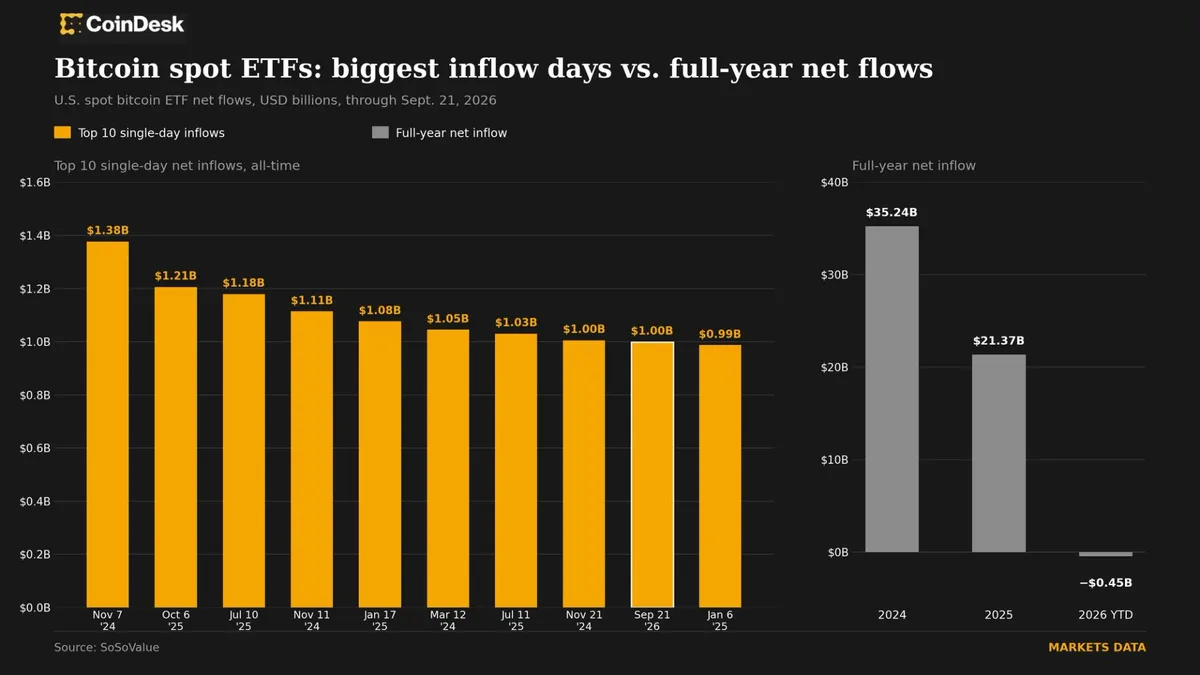
Spot bitcoin ETFs see nearly $1 billion inflow as bitcoin hits January highs

US spot Bitcoin ETFs see nearly $1 billion inflow, highest since October 2025