Winners and losers of the SEC’s new tokenized stocks rules

The U.S. Securities and Exchange Commission (SEC) has recently unveiled a new framework that allows for the issuance of tokenized stocks, setting the stage for a potential transformation in how securities are traded. This five-year plan is designed to integrate digital assets into the traditional stock market, providing a legal pathway for tokenized representations of equities. However, not all platforms and products will qualify under this framework, leading to speculation about which major players in the crypto space–such as Uniswap, Robinhood, Coinbase, or Kraken–will emerge as the primary beneficiaries of this regulatory shift.
The SEC's decision comes at a time when the demand for tokenized assets has been growing, driven by the need for greater liquidity and accessibility in trading. Tokenized stocks could potentially allow for 24/7 trading, fractional ownership, and lower fees compared to traditional stock exchanges. However, the SEC's restrictions mean that only certain platforms that comply with its regulations will be permitted to offer these products, creating a competitive landscape among exchanges and trading platforms.
The implications for the market are significant. By legitimizing tokenized stocks, the SEC may attract more institutional investors into the crypto space, which could lead to increased capital inflow and a broader acceptance of digital assets. Conversely, platforms that fail to adapt to the new regulations may find themselves at a competitive disadvantage, potentially losing market share to those that can offer compliant tokenized stock products. This regulatory clarity could influence investment strategies and trading behaviors across the board.
Industry experts are reacting with cautious optimism. While some see the SEC's move as a positive step towards mainstream adoption of digital assets, others express concerns about the limitations imposed by the rules. There is a general consensus that platforms with established reputations and compliance mechanisms are more likely to succeed in this new environment, while newer or less regulated entities might struggle to keep pace.
Looking ahead, the next five years will be crucial for the development of tokenized stocks. As the SEC continues to refine its regulations, it will be interesting to see how existing platforms adapt and whether new players will enter the market. The race for dominance in the tokenized stock space is just beginning, and it remains to be seen which platforms will ultimately capitalize on this regulatory framework.

CoinMagnetic Team
Crypto investors since 2017. We trade with our own money and test every exchange ourselves.
Updated: September 2026
From our insights:
Related news

Galaxy boosts treasury with $100 million in sUSDS, endorses SKY token
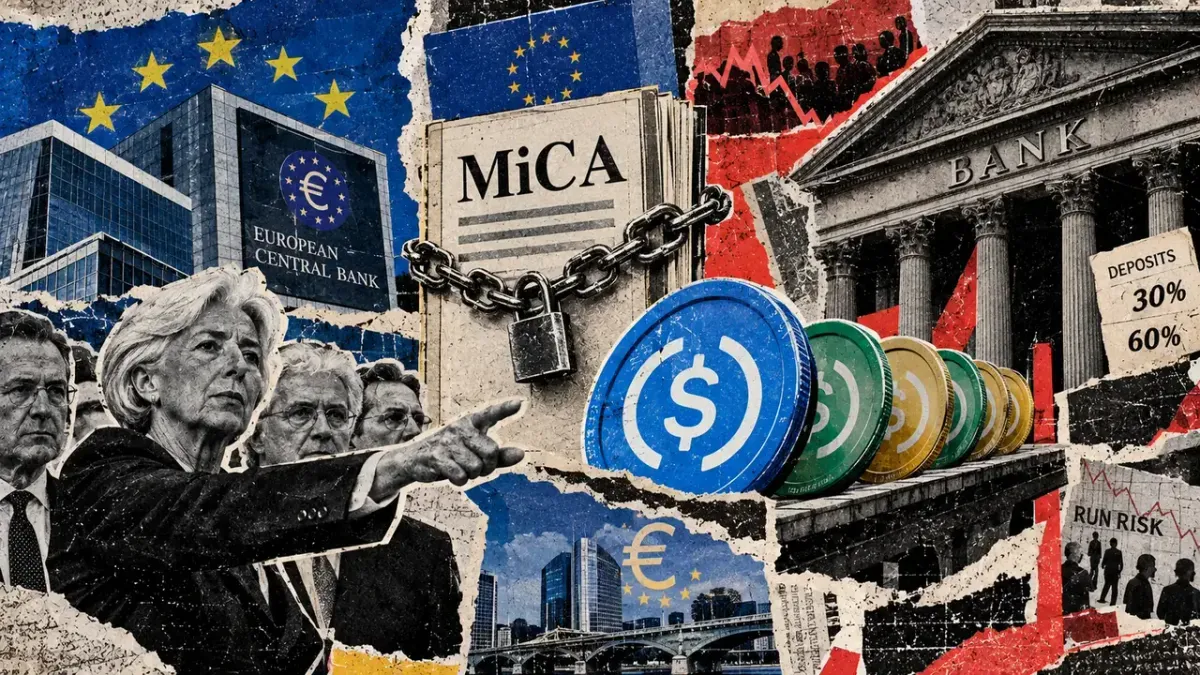
Central banks criticize MiCA rules amid concerns over stablecoin liquidity
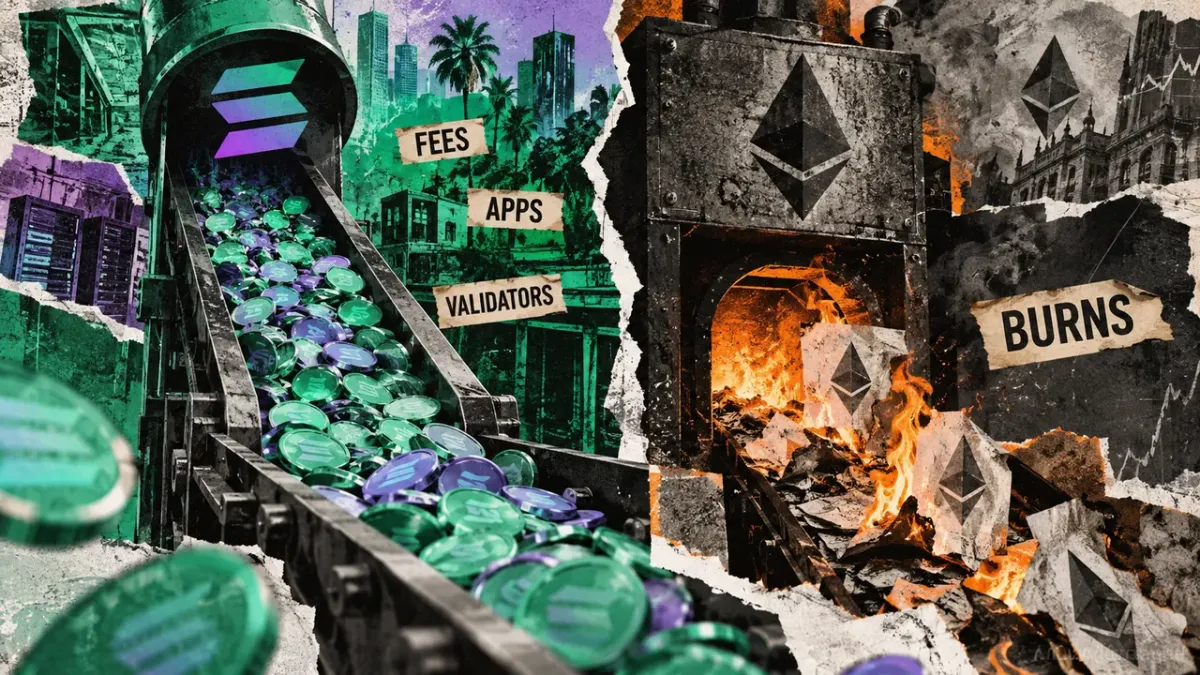
Solana surpasses Ethereum in fees, but ETH retains burn leadership
Arch Lending eyes tokenized stocks as next collateral market
Bitcoin rallies alongside record Nasdaq as oil prices decline on Iran prospects