Why viral public whale liquidations are becoming a real trading signal on Hyperliquid

Recently, the crypto trading platform Hyperliquid has gained attention for its innovative approach to tracking public whale liquidations, particularly within the Ethereum (ETH) market. By utilizing public leverage data, address trails, and liquidation maps, traders are now able to monitor significant ETH long positions in real time. This new feature allows users to identify potential market movements driven by large holders, or "whales," as their liquidation events can have a pronounced impact on price dynamics. As these events become more visible, many traders are starting to see them as essential signals that can guide their own trading strategies.
To understand the significance of these public whale liquidations, we need to consider the broader context of the crypto market and its evolving trading landscape. Traditionally, whale activity has been somewhat opaque, leaving retail traders in the dark about the actions of large investors. However, with the rise of platforms like Hyperliquid, this lack of transparency is being addressed. By making liquidation events publicly accessible, the platform is fostering a more transparent trading environment. This shift aligns with a growing trend in the crypto industry towards greater visibility and accountability, enabling traders to make more informed decisions.
The implications of this development are far-reaching for both individual traders and the market as a whole. As more traders begin to incorporate public liquidation data into their strategies, we may see a shift in how the market reacts to price movements. Liquidation events that were once isolated occurrences are now becoming focal points around which traders can rally or adjust their positions. This not only increases market activity but may also lead to heightened volatility, as traders respond to the actions of whales in real time. The potential for rapid price changes could create new opportunities but also carries risks that traders must navigate carefully.
Industry experts have noted the significance of this trend, suggesting that public whale liquidations could become a standard trading signal in the near future. Analysts argue that as more traders adopt these signals, we may witness a shift in market dynamics, where the activities of large holders could dictate the behavior of the broader trading community. This could lead to an environment where traders are more reactive, potentially amplifying price swings in response to whale activity. As a result, platforms that provide such data might see increased user engagement and trading volume.
Looking ahead, the ability to track public whale liquidations is likely to evolve further, with potential advancements in technology and data analysis. As tools become more sophisticated, traders may gain access to even more granular data that can enhance their decision-making processes. Moreover, as more platforms adopt similar transparency measures, the overall trading landscape could become more competitive, prompting innovation and further improvements in trading strategies. The intersection of technology and trading signals will continue to shape the way market participants engage with cryptocurrency markets.

CoinMagnetic Team
Crypto investors since 2017. We trade with our own money and test every exchange ourselves.
Updated: June 2026
From our insights:
Related news
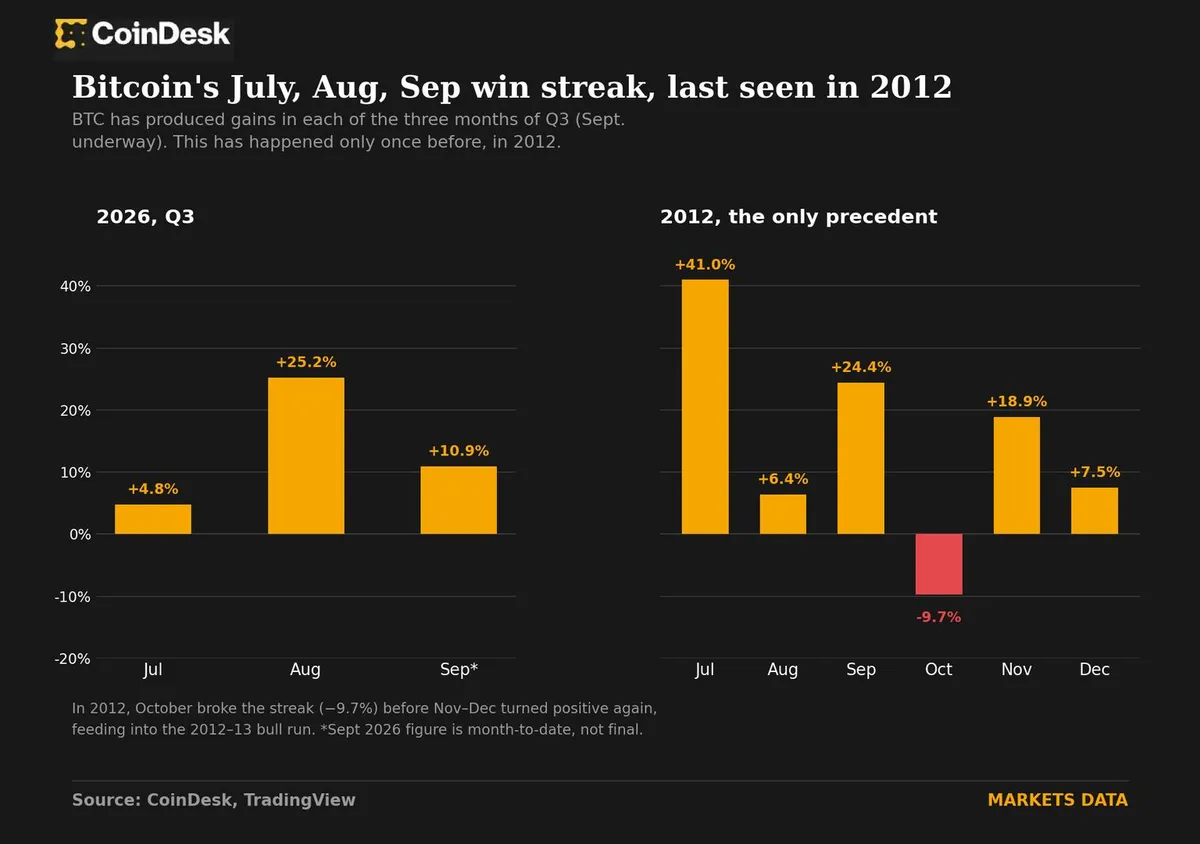
Bitcoin's on a streak it hasn't hit since 2012

CFTC warns against risky prediction market contracts following Trump's speech trades
CFTC issues advisory on risks of cheating in prediction markets

CFTC issues warning on manipulation risks in prediction markets tied to mentions

Ancient wallets move $161 million in bitcoin, including 600 BTC today