Energy restrictions force shutdown of Bitcoin mining rigs in major city
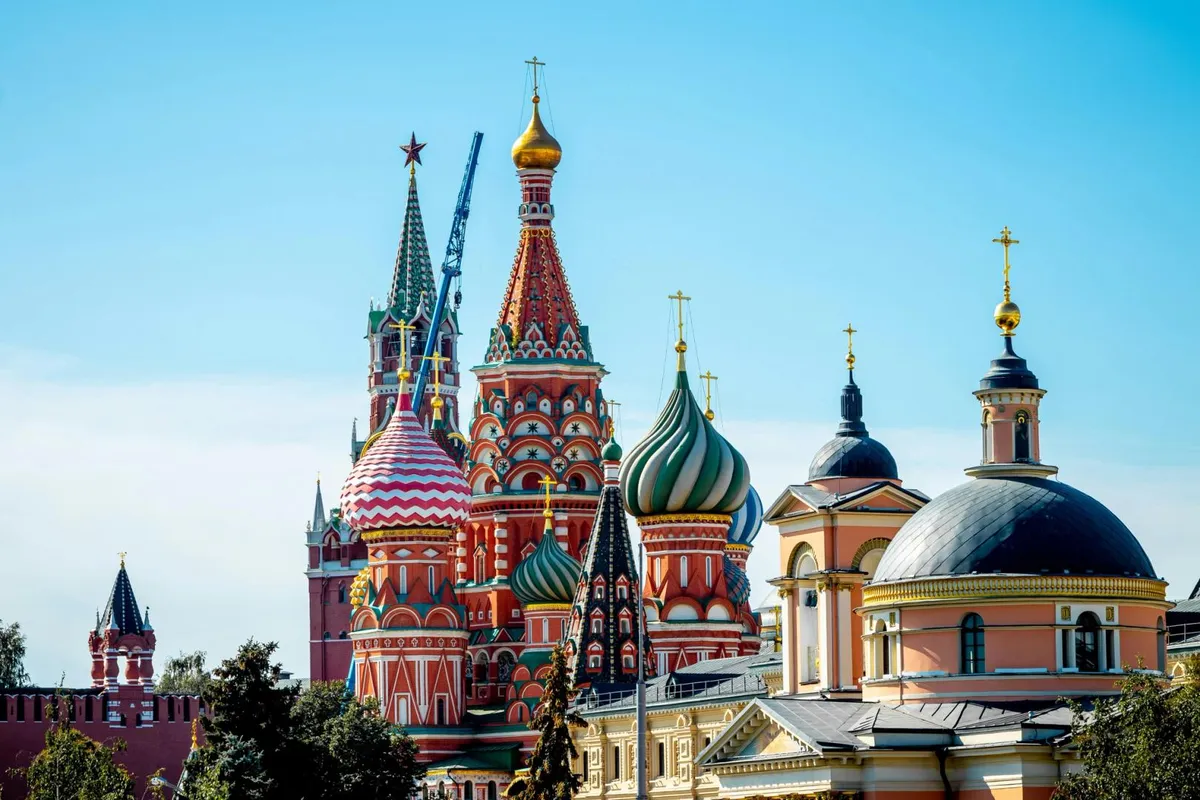
The Energy Ministry has recently enacted a year-round restriction on Bitcoin mining operations in the capital city, prompting the world's second-largest Bitcoin mining power to shut down its rigs. This decision comes as a response to ongoing power capacity shortages that have been exacerbated by the energy-intensive nature of mining facilities, which continue to place a significant strain on regional electrical grids. The move aims to ensure that energy resources can be allocated more efficiently, especially during peak demand periods.
Historically, the rise of Bitcoin mining has led to various debates about its environmental and economic implications. Mining operations consume vast amounts of energy, which, in many regions, has resulted in increased operational costs and electricity shortages. Governments and regulatory bodies have started taking measures to balance energy demands and sustainability, and this recent development is a continuation of that trend. With the Energy Ministry's focus on mitigating power shortages, the decision underscores the growing tension between energy consumption and infrastructure limitations.
This shutdown is likely to have significant repercussions for the cryptocurrency market, particularly for Bitcoin. As a major player in the mining sector, the decision to halt operations in the capital city could impact Bitcoin's overall hash rate and create fluctuations in market dynamics. Investors and stakeholders will be closely monitoring the situation, as any major shifts in mining capacity can influence Bitcoin's price and stability. The market may react to these developments, with potential implications for other mining operations in similar situations.
Industry experts have expressed mixed feelings regarding the decision. While some believe it is necessary for long-term sustainability and energy management, others argue that it could stifle innovation and growth within the cryptocurrency sector. The debate reflects a broader concern about how regulatory measures can shape the future of cryptocurrency mining. As energy demands continue to rise, the industry will have to navigate through these challenges to find a balance between operational efficiency and regulatory compliance.
Looking ahead, it remains to be seen how this restriction will affect the mining landscape in the region. Other cities may follow suit with similar restrictions, or there could be a push for alternative energy solutions to support mining operations. As the situation unfolds, miners may need to adapt their strategies, exploring more sustainable practices or relocating to areas with more favorable energy policies. The coming months will be crucial in determining the future of Bitcoin mining in the affected region.

CoinMagnetic Team
Crypto investors since 2017. We trade with our own money and test every exchange ourselves.
Updated: August 2026
From our insights:
Related news

Tim Scott criticizes Democrats for abandoning the Clarity Act

Zcash developers integrate Tachyon code into Zakura for 50,000 transactions per second

Citi integrates Coinbase for new stablecoin infrastructure in banking

Tether assists in freezing $550 million in USDT linked to Iran this year

US bank initiative for tokenized deposits raises questions about QNT's involvement