Surging US Treasury yields push Bitcoin down to $83,500 intraday low
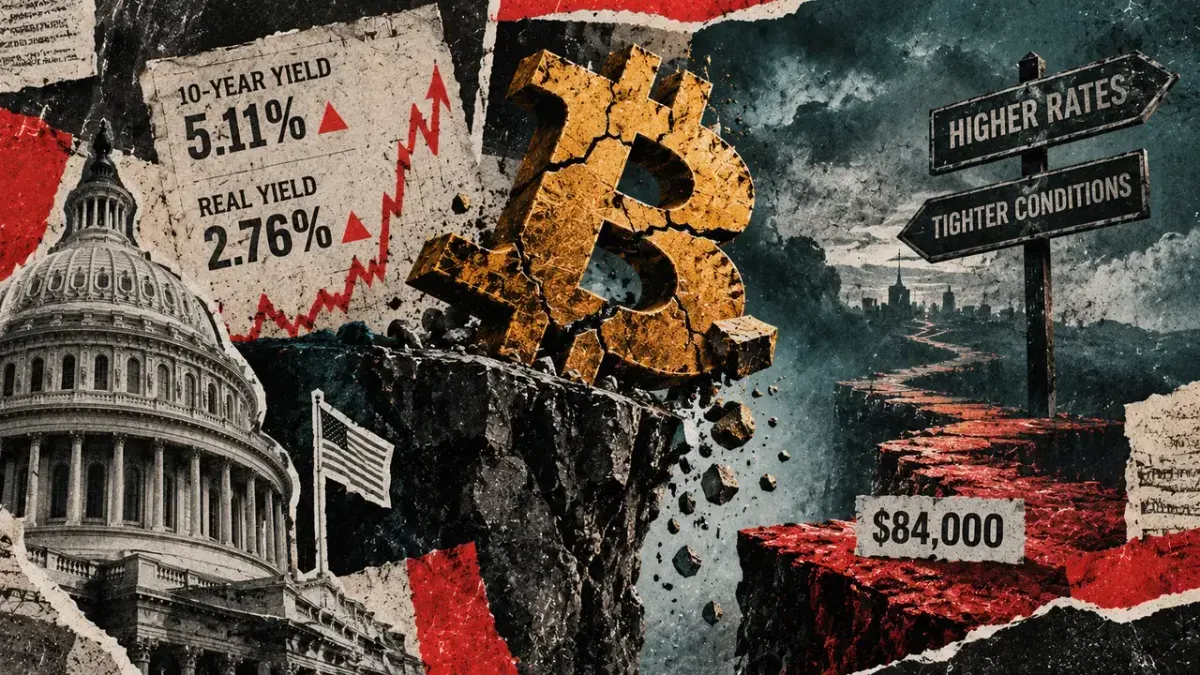
On September 23, Bitcoin experienced a notable drop, reaching an intraday low of $83,500. This decline coincided with the US 10-year Treasury yield closing at 5.11%, marking a rise of 15 basis points in just one session. A recent business activity survey that exceeded expectations has led investors to adjust their forecasts for interest rates, contributing to the downward pressure on Bitcoin prices. Currently, Bitcoin is trading within the $84,000 to $85,000 range, which Glassnode identifies as a critical zone for the cryptocurrency.
The backdrop to this situation involves a broader economic context where rising interest rates are reshaping investment strategies. As yields on Treasury bonds increase, they often lead to a stronger dollar and diminish the appeal of non-yielding assets like Bitcoin. Investors tend to gravitate towards safer, interest-bearing investments during periods of economic uncertainty, which can create headwinds for cryptocurrencies. The recent data suggesting stronger-than-expected business activity has intensified these shifts, causing a reevaluation of risk across various asset classes.
This development is significant for the cryptocurrency market as it highlights the growing correlation between traditional financial indicators and digital asset performance. As Bitcoin continues to grapple with macroeconomic forces, its ability to maintain price levels above critical psychological thresholds becomes increasingly important. The $84,000 to $85,000 zone is now under scrutiny, as a sustained drop below this range could signal further bearish sentiment and prompt additional selling pressure.
Industry experts are reacting with a mix of caution and analysis. Many are observing the relationship between Bitcoin and Treasury yields closely, noting that ongoing increases in yields could lead to prolonged volatility in cryptocurrency prices. Some analysts argue that Bitcoin's status as a digital gold alternative is being tested as traditional asset classes assert their influence over investor behavior. Others suggest that Bitcoin's fundamentals remain strong, and any price corrections could be viewed as buying opportunities in the long run.
Looking ahead, the next steps for Bitcoin will depend on future economic data and the Federal Reserve's response to inflationary pressures. If economic indicators continue to suggest a robust recovery, we may see further increases in yields, potentially pushing Bitcoin lower. Conversely, should inflation concerns ease or economic growth show signs of slowing, the cryptocurrency could find renewed support. Investors will need to stay attuned to both market signals and macroeconomic trends as they navigate the evolving landscape.

CoinMagnetic Team
Crypto investors since 2017. We trade with our own money and test every exchange ourselves.
Updated: September 2026
From our insights:
Related news
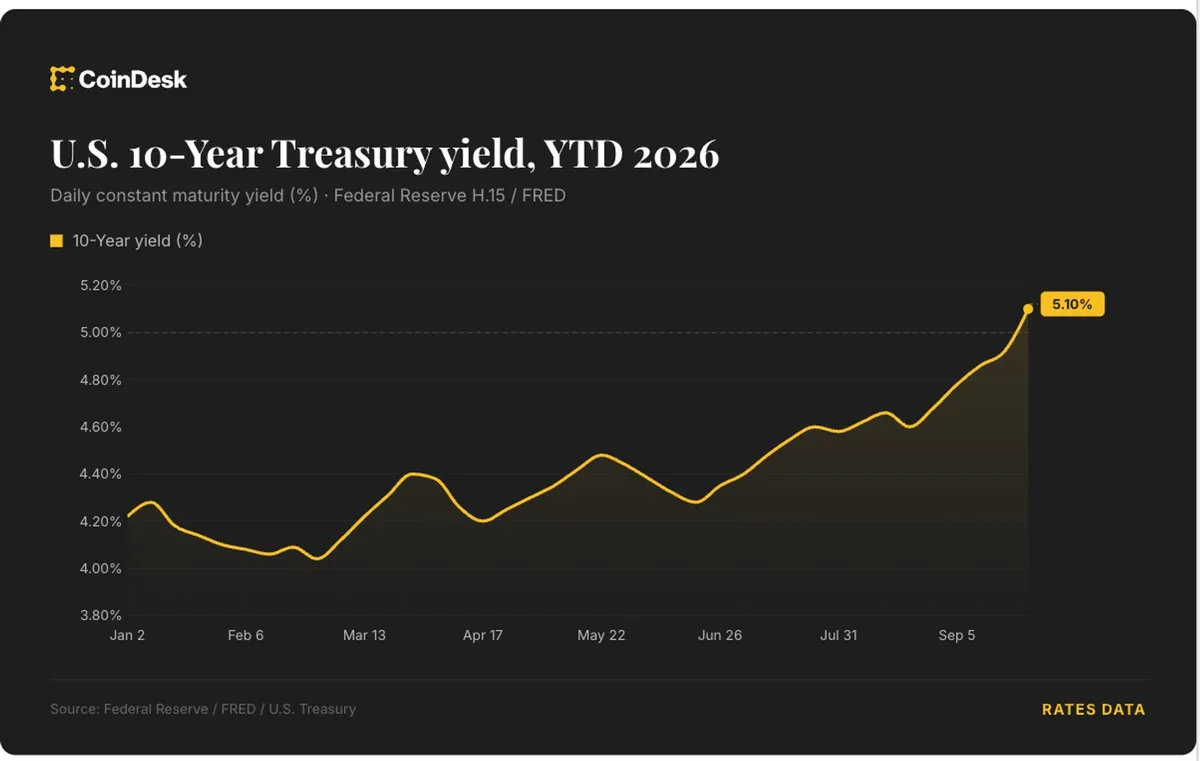
Traders price in 4 Fed rate hikes by June 2027 as bitcoin slides below $83,000

Zcash reaches $1,600 as 21Shares launches ETP in Europe

IBM integrates Digital Asset Haven with Swift for tokenized deposits
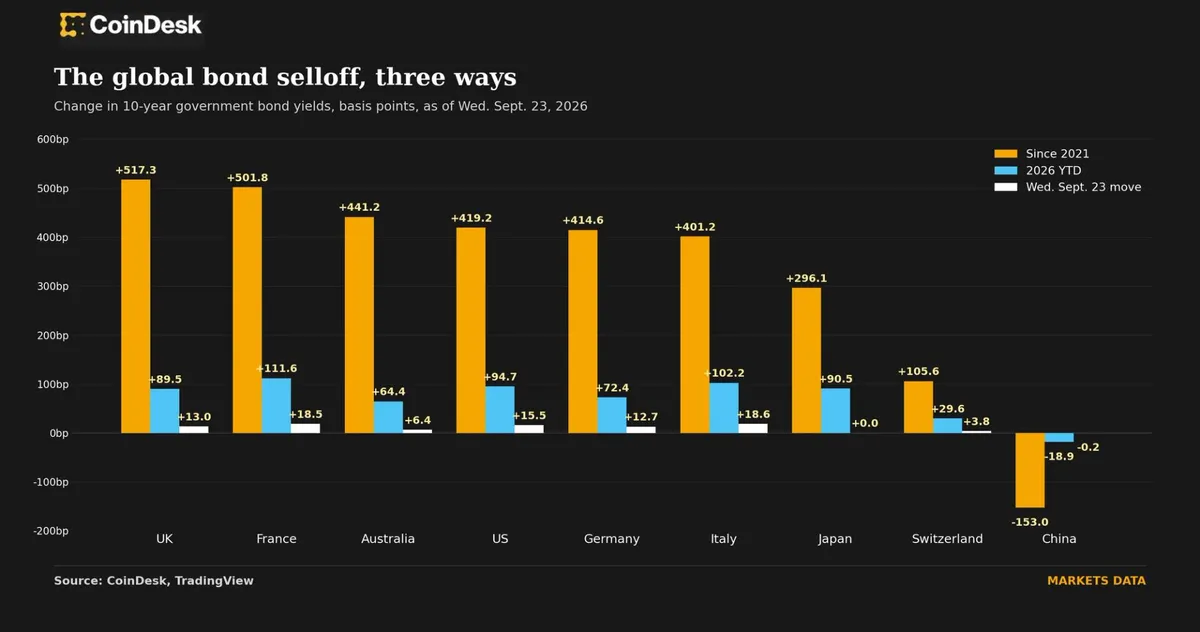
The data proves it: Bitcoin doesn't care about rising bond yields over long-term

EU regulators highlight quantum computing threat to blockchain security