Why stablecoins and SWIFT may have to coexist

Recent developments in the remittance sector have highlighted an intriguing trend: the rise of stablecoins as a viable alternative for bypassing traditional settlement systems, particularly SWIFT. Many remittance firms are increasingly adopting cryptocurrencies to streamline their operations, leveraging the speed and lower costs associated with digital assets. This shift has sparked discussions about the future of SWIFT and whether it can coexist with the growing stablecoin ecosystem. While some might speculate about the impending obsolescence of SWIFT, the reality is more nuanced, as both systems may play crucial roles in the evolving financial landscape.
To understand this dynamic, it’s essential to consider the historical context of SWIFT. Established in 1973, SWIFT has long been the backbone of international money transfers, providing a standardized messaging system for banks and financial institutions. This established network facilitates the movement of currencies across borders, ensuring that transactions are processed efficiently and securely. However, with the advent of blockchain technology and the rise of cryptocurrencies, traditional payment methods are being challenged. Stablecoins, pegged to fiat currencies, offer an attractive alternative, enabling near-instantaneous transfers with lower fees and reduced reliance on intermediaries.
The implications of this trend for the broader market are significant. As remittance firms and other financial entities adopt stablecoins, the demand for traditional systems like SWIFT may evolve rather than diminish. Rather than completely replacing SWIFT, stablecoins could complement existing infrastructures, offering users greater flexibility in how they manage cross-border transactions. This coexistence could lead to a more dynamic and competitive financial landscape, where consumers benefit from lower costs and faster service options.
Industry experts have weighed in on this topic, highlighting the potential for collaboration between traditional and emerging financial systems. Many believe that rather than viewing stablecoins as a threat, SWIFT and similar entities should embrace innovations in cryptocurrency and blockchain technology. By integrating stablecoin capabilities into their existing frameworks, traditional players can enhance their offerings and remain relevant in a rapidly changing market. This sentiment suggests a recognition that adaptability will be key to survival in the evolving financial ecosystem.
Looking ahead, it will be interesting to see how the relationship between stablecoins and SWIFT develops. As regulatory frameworks around cryptocurrencies become clearer, more remittance firms may experiment with integrating stablecoins into their operations. Additionally, traditional financial institutions might explore partnerships with crypto companies to harness the benefits of digital assets while maintaining the reliability of established systems. Ultimately, the future of cross-border payments may be defined by a hybrid approach that leverages the strengths of both stablecoins and traditional settlement infrastructures.

CoinMagnetic Team
Crypto investors since 2017. We trade with our own money and test every exchange ourselves.
Updated: May 2026
From our insights:
Related news
SoFi begins stablecoin settlement on Mastercard network for program expected to exceed $25 billion in annualized volume

A $3.2 million 'bitcoin butterfly' option trade bets on $95,000 by the end of October

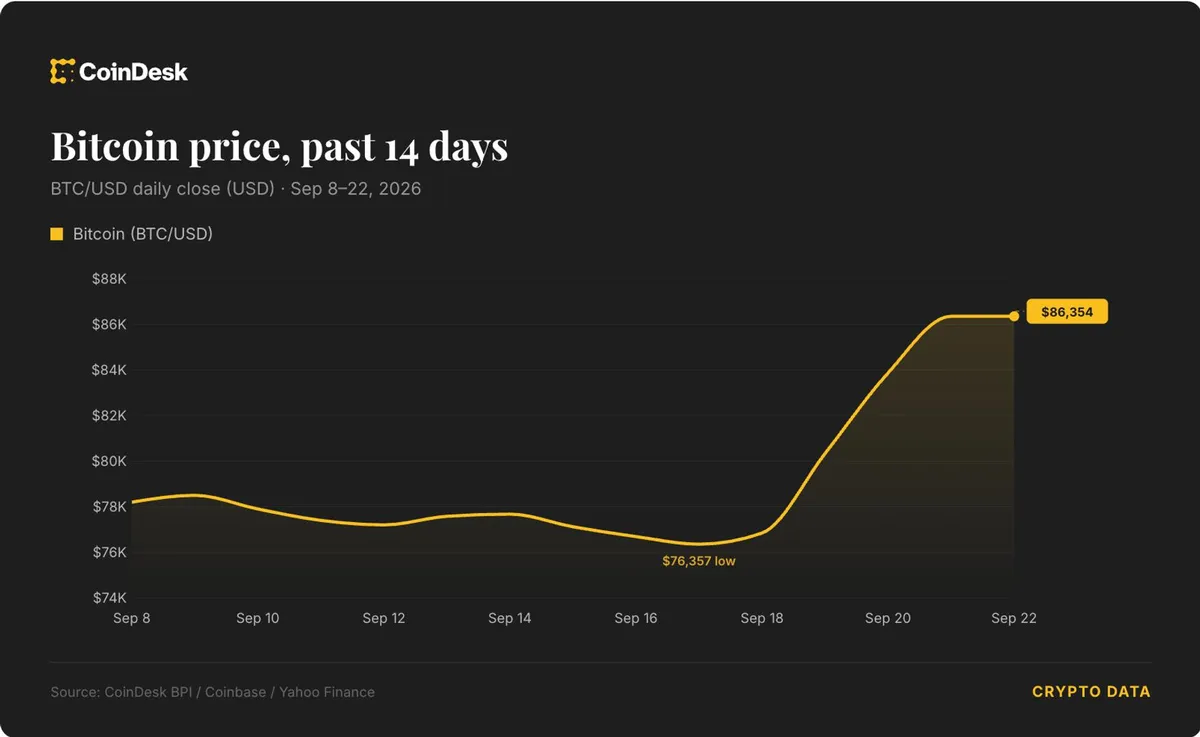
Bitcoin surges past $86,000 as $1 billion in shorts are liquidated, eyes on $90,000

Bitcoin bounces back to $86,000 as oil prices decline and stocks rise

Prediction markets projected to reach $10 trillion by 2035, surpassing sports