Why Google search can be a crypto wallet risk

Recent reports have shed light on a significant risk associated with cryptocurrency wallets that stems from seemingly innocuous Google searches. A growing number of users have fallen victim to phishing attacks, where malicious actors exploit search engine results to lead unsuspecting individuals to counterfeit wallet sites. These fake sites often mirror legitimate wallets so closely that they can easily deceive even seasoned users. Once a victim enters their credentials or private keys, attackers can swiftly drain their accounts, resulting in devastating financial losses.
The phenomenon of phishing scams has been a persistent issue in the digital landscape, but the integration of such tactics with search engines adds a new layer of complexity. Historically, as cryptocurrency has gained popularity, so too have the tactics employed by cybercriminals. With a significant uptick in the number of individuals entering the crypto space, attackers have adapted their methods, leveraging search engine optimization (SEO) to ensure their malicious sites rank highly in search results. This trend underscores the need for increased digital literacy among users, particularly in a field as nuanced and rapidly evolving as cryptocurrency.
For the market, the implications of these phishing scams are considerable. As more users become aware of the risks associated with online searches related to cryptocurrency, trust in digital wallets and exchanges may wane. This erosion of confidence could lead to a decrease in participation in the crypto market, potentially stunting its growth. Furthermore, if these scams continue to proliferate, regulatory bodies may feel compelled to step in, which could lead to a more stringent framework for cryptocurrency operations–affecting innovation and accessibility.
Industry experts have begun to weigh in on the situation, emphasizing the importance of user education and the responsibility of search engines to combat these fraudulent practices. Cybersecurity professionals argue that it is essential for platforms like Google to implement more rigorous safeguards to protect users from malicious sites. The consensus among experts is that a multi-faceted approach, combining user vigilance and enhanced security measures from search engines, is necessary to mitigate these risks.
Looking ahead, we anticipate that the conversation around the safety of cryptocurrency wallets will evolve, with a focus on enhancing user awareness and developing robust security protocols. As attacks become more sophisticated, it is vital for both users and providers to stay informed about emerging threats. The crypto community must prioritize education and preventive measures to ensure a safer environment for all participants, ultimately fostering a more resilient market.

CoinMagnetic Team
Crypto investors since 2017. We trade with our own money and test every exchange ourselves.
Updated: June 2026
From our insights:
Related news

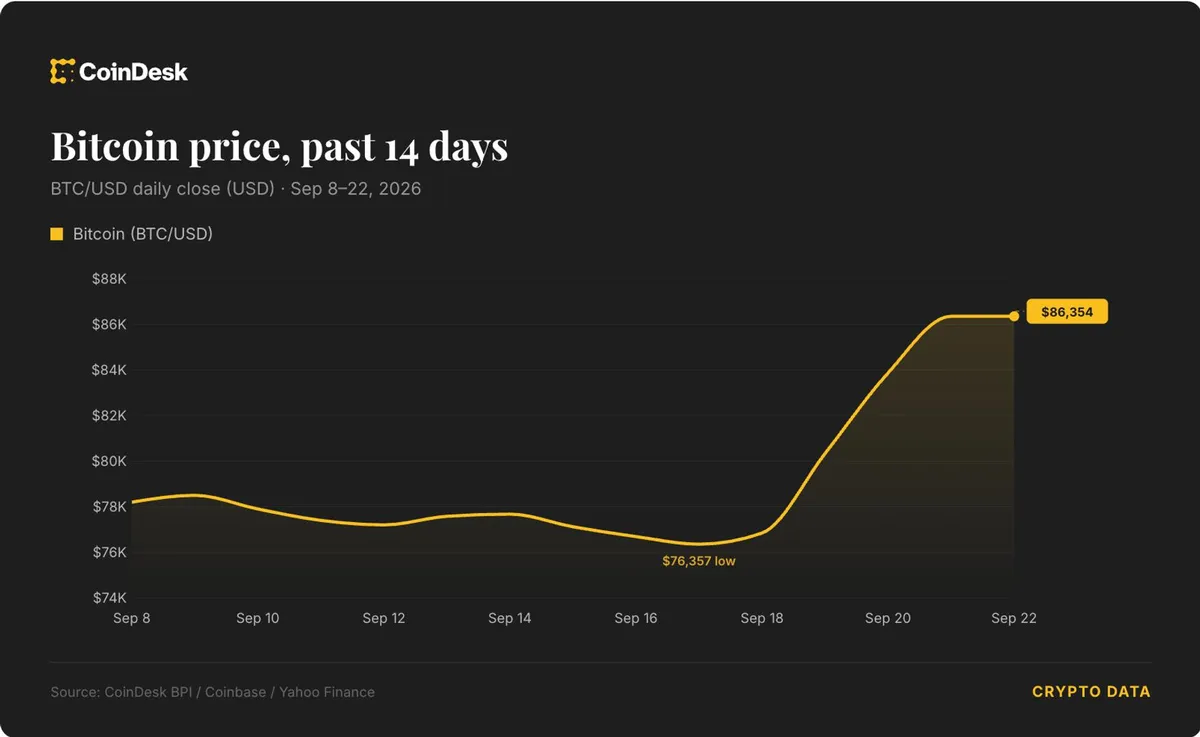
Bitcoin surges past $86,000 as $1 billion in shorts are liquidated, eyes on $90,000
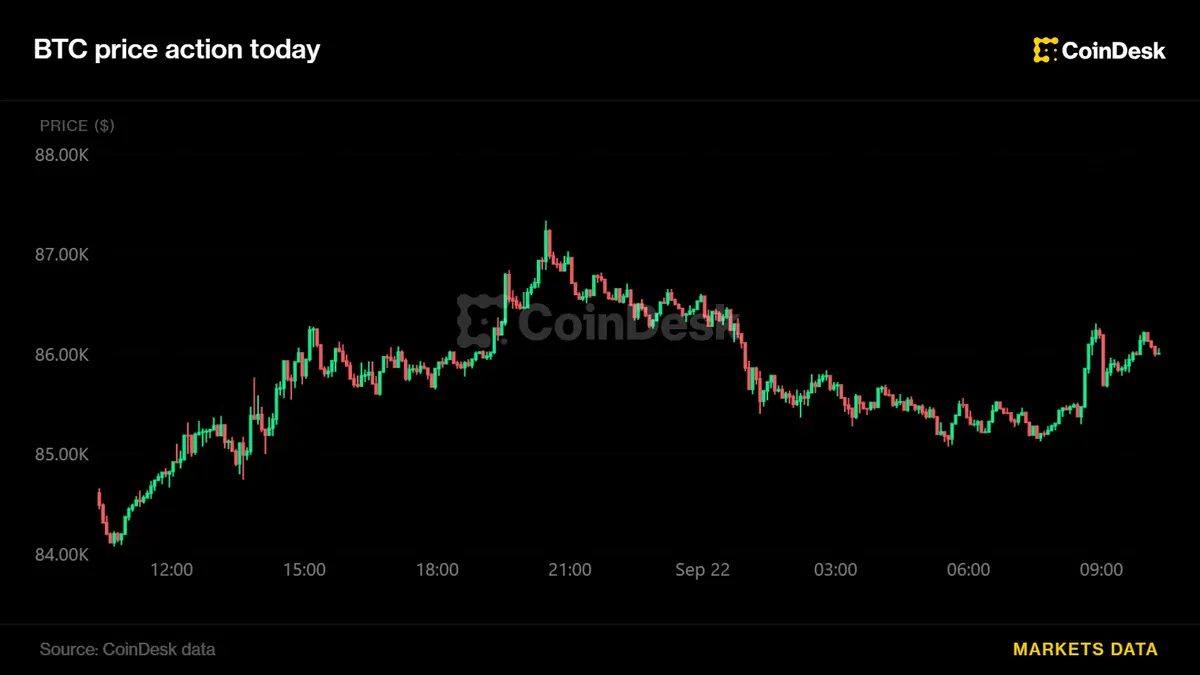
Bitcoin bounces back to $86,000 as oil prices decline and stocks rise

Prediction markets projected to reach $10 trillion by 2035, surpassing sports
Iran hints at reopening Strait of Hormuz, WTI oil drops to $89

New altseason signal emerges as Bitcoin market cap stays under 60%