Why a $150M Polymarket bet could pay the side that appeared to lose

A recent development involving Polymarket, a popular prediction market platform, has sent shockwaves through the crypto community. The platform is embroiled in a controversy surrounding a nearly $150 million bet related to a corporate treasury firm, Strategy, which was believed to sell a portion of its Bitcoin holdings. While many traders accurately predicted this event, Polymarket has chosen to deny payouts, citing a disconnect between the timing of the event and its public disclosure. This situation has created an uproar among investors who feel that their predictions were valid and should be compensated, leading to discussions about the transparency and reliability of prediction markets.
To understand the implications of this issue, it's essential to consider the context of prediction markets and their function within the crypto ecosystem. Essentially, these platforms allow users to place bets on the outcomes of future events, often related to financial markets or significant corporate actions. The challenge arises when the timing of an event's occurrence does not align with its public announcement. In this case, traders believed they had accurately forecasted the sale of Bitcoin, but Polymarket's decision to withhold payouts raises questions about the criteria for determining the outcomes of such bets. This rift could set a precedent for how similar disputes are handled in the future.
The ramifications of this incident are vast, particularly for the market's perception of prediction platforms. Trust is paramount in any financial ecosystem, and when a significant player like Polymarket appears to act arbitrarily, it can lead to a loss of confidence among traders. This situation may provoke a broader discussion about regulatory oversight and the need for clearer guidelines regarding the operational practices of prediction markets. As traders grapple with uncertainty, the effectiveness of such platforms in providing reliable trading opportunities may come under scrutiny.
Industry reactions have varied, with some experts expressing concern over the potential fallout from Polymarket's decision. Many traders argue that denying payouts undermines the fundamental premise of prediction markets, which is to reward accurate forecasts. Others suggest that this could lead to a reevaluation of how prediction markets operate, potentially inspiring new protocols and standards aimed at safeguarding traders' interests. The situation has ignited debates about the need for more transparent mechanisms to handle disputes and protect the integrity of market predictions.
Looking ahead, the outcome of this controversy could have far-reaching implications for both Polymarket and the prediction market industry as a whole. If the platform reverses its decision and honors the payouts, it may help to restore some level of trust among users. Conversely, if it maintains its stance, it could fuel calls for regulatory intervention and prompt traders to seek alternative platforms that promise greater reliability. As the dust settles, stakeholders will be keenly watching how this situation unfolds and what it means for the future of prediction betting in the cryptocurrency space.

CoinMagnetic Team
Crypto investors since 2017. We trade with our own money and test every exchange ourselves.
Updated: June 2026
From our insights:
Related news
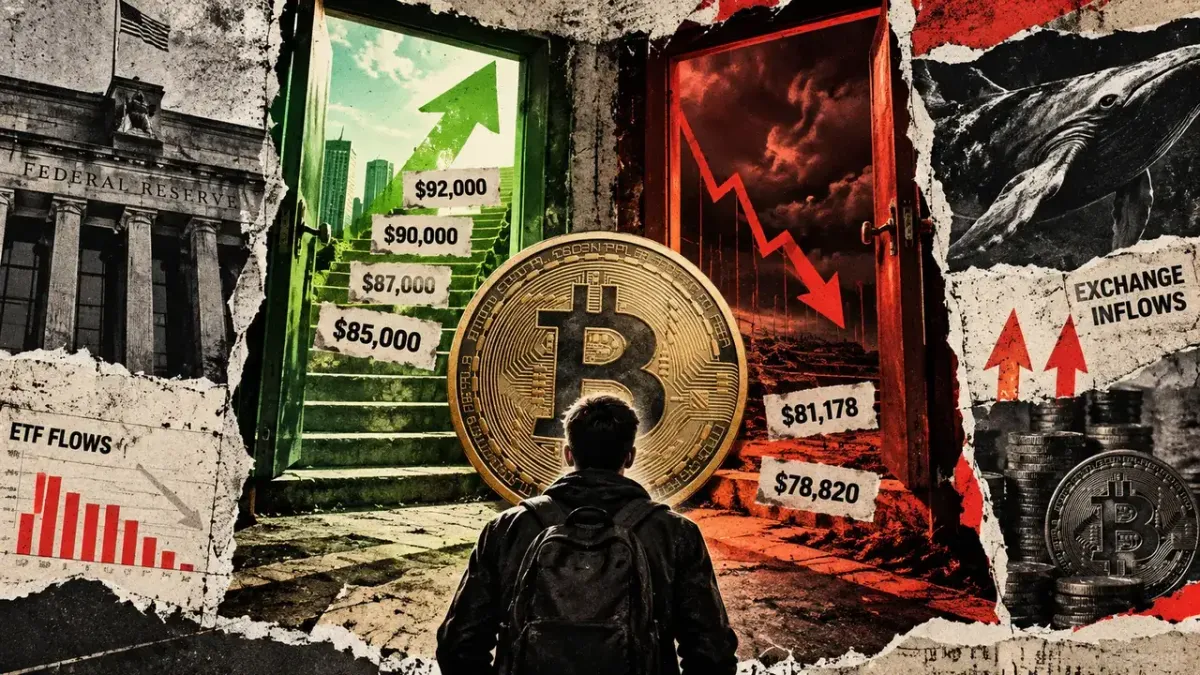
Bitcoin's weekly close above $81,000 signals potential rise to $90,000

Elon Musk's X integrates bitcoin trading options for U.S. users
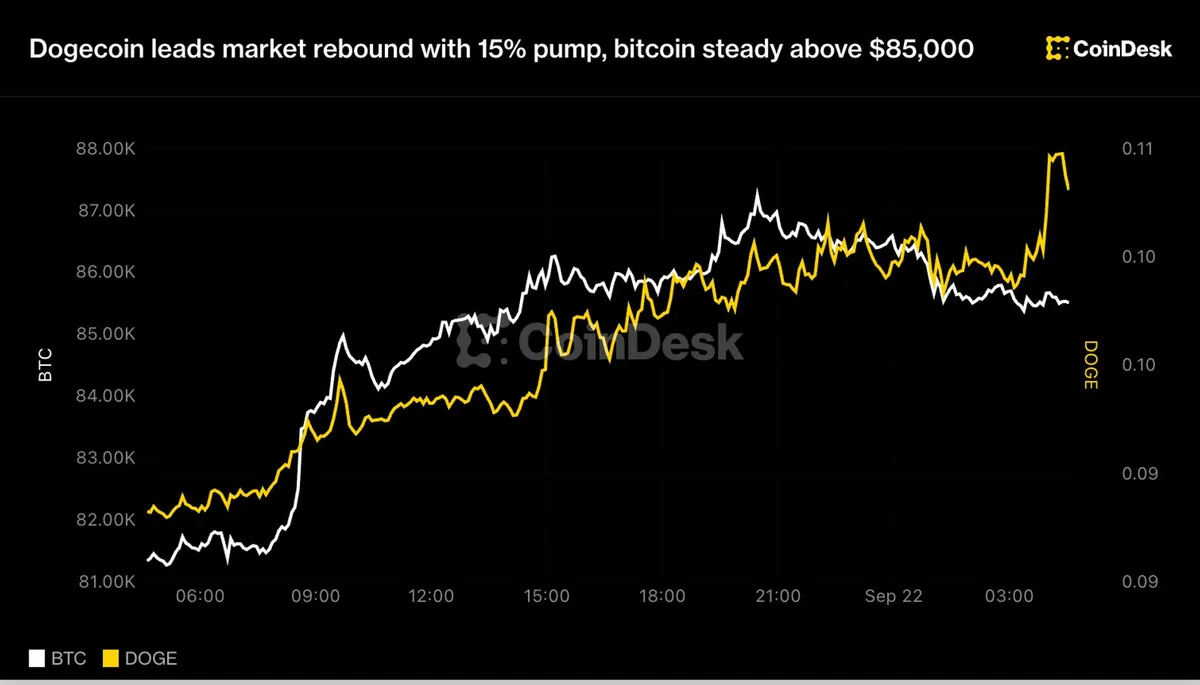
Dogecoin's 15% surge drives market recovery as bitcoin stabilizes above $85,000

Cardano adds tools for AI agent payments, joining Solana and XRP Ledger

Trueo prediction market moves from Base to Ethereum