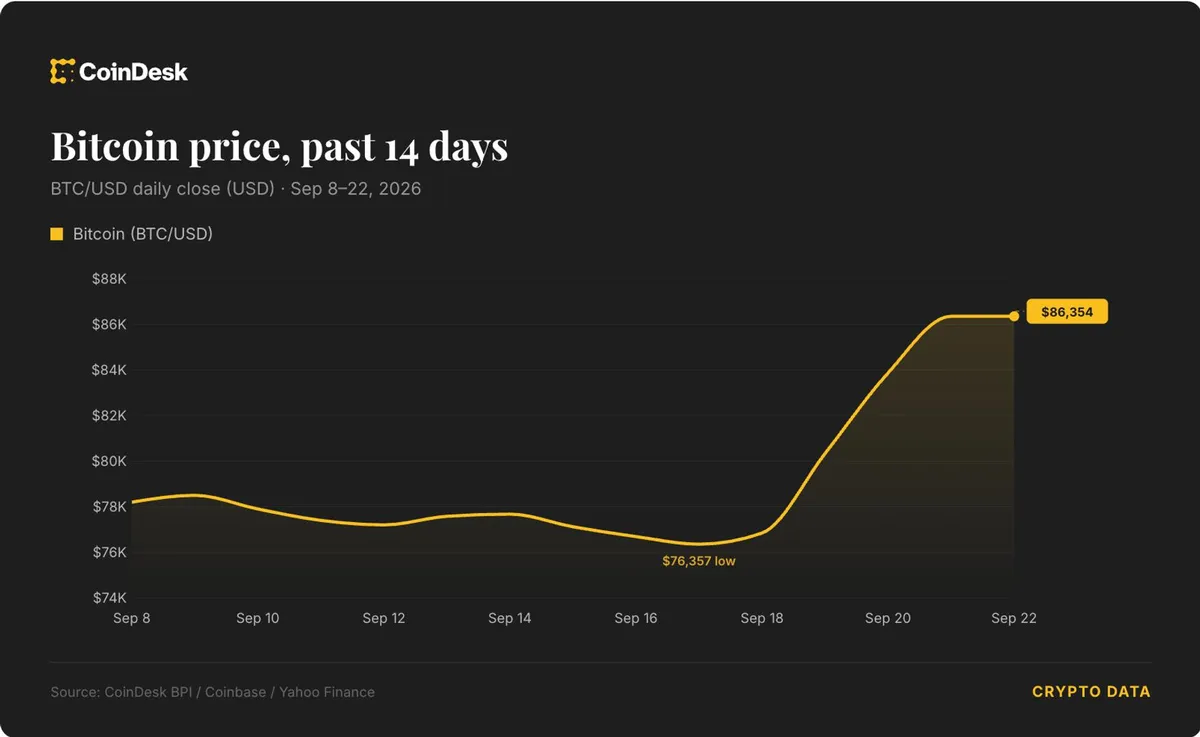
Wholesale inflation is back in focus. Here’s what PPI means for your money and Bitcoin

Recent reports indicate that wholesale inflation is regaining attention, particularly following the latest release of the Producer Price Index (PPI). In May, the PPI rose by 1.1%, pushing the annual increase to 6.5%. This marks the most significant growth in inflation since November 2022 and is notably above the anticipated monthly gain of 0.7%. Such figures have once again placed Bitcoin under scrutiny, as many investors look to understand how inflation metrics influence its price movements.
The PPI is a critical measure reflecting the average change over time in the selling prices received by domestic producers for their output. Its fluctuations can serve as an early indicator of inflation trends that may eventually affect consumer prices. Historically, Bitcoin was created as an inflation hedge, intended to provide a safeguard against the devaluation of traditional currency. However, despite its foundational purpose, recent inflation reports have often correlated with declines in Bitcoin's market value, leading to questions regarding its efficacy as a protective asset.
This latest inflation data is significant for the broader market, as it raises concerns about the Federal Reserve's potential monetary policy responses. If inflation continues on this upward trend, the Fed may opt for more aggressive interest rate hikes, which can lead to reduced liquidity in the markets. Such actions could impact risk assets, including cryptocurrencies, making investors wary of further price corrections. As inflationary pressures persist, the relationship between Bitcoin and traditional financial metrics will remain a focal point for market participants.
Industry experts have shared their perspectives on the implications of this PPI report. Some argue that the persistent inflation signals could undermine Bitcoin's status as a safe haven, while others emphasize that Bitcoin's fundamentals remain strong. Analysts suggest that the current market dynamics will likely lead to increased volatility in the short term, with traders closely monitoring macroeconomic indicators for clues on future price trajectories. Many within the crypto community are hopeful that Bitcoin will eventually reclaim its role as a hedge against inflation, but the path forward remains uncertain.
Moving forward, market watchers will be keen to see how the Fed responds to these inflation figures and whether subsequent policy changes will alter the landscape for cryptocurrencies. As the situation evolves, it will be crucial for investors to stay informed about inflation metrics and central bank strategies, as these factors will significantly influence Bitcoin's performance and its position in the financial ecosystem. The interplay of inflation and cryptocurrency will continue to be a critical narrative in the coming months, shaping investment strategies and market sentiment.

CoinMagnetic Team
Crypto investors since 2017. We trade with our own money and test every exchange ourselves.
Updated: June 2026
From our insights:
Related news

SoFi begins stablecoin settlement on Mastercard network for program expected to exceed $25 billion in annualized volume

A $3.2 million 'bitcoin butterfly' option trade bets on $95,000 by the end of October
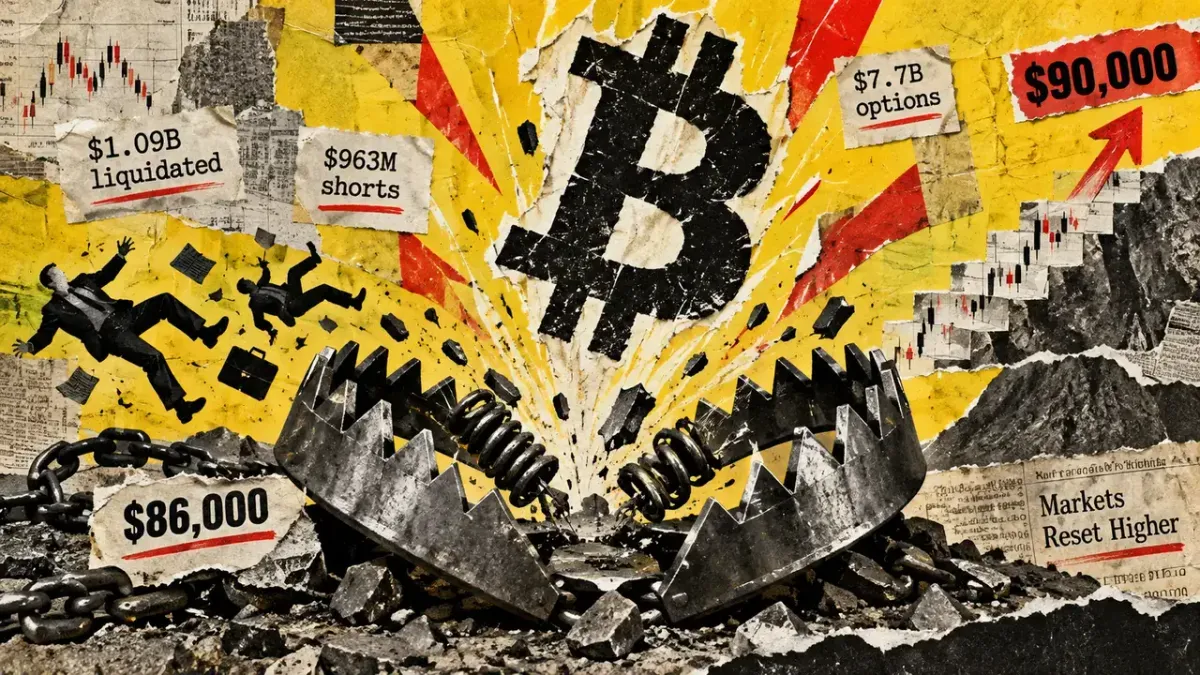
Bitcoin surges past $86,000 as $1 billion in shorts are liquidated, eyes on $90,000
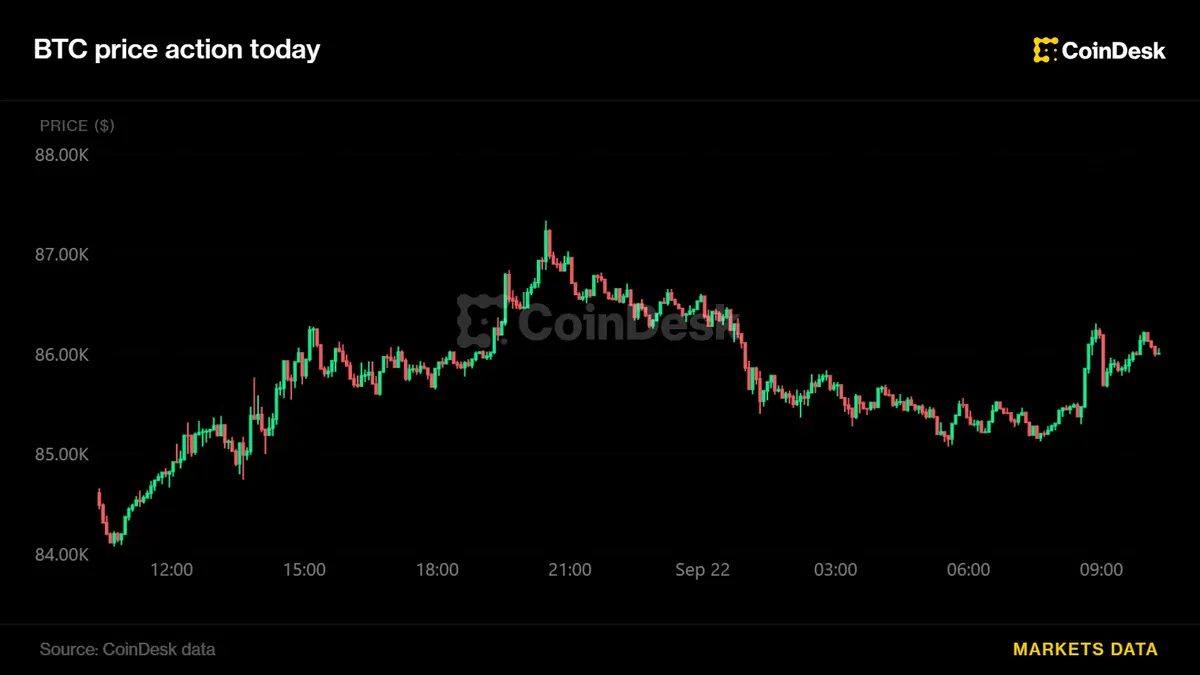
Bitcoin bounces back to $86,000 as oil prices decline and stocks rise

Prediction markets projected to reach $10 trillion by 2035, surpassing sports