White House reveals US banks ‘refused’ to attend meetings to resolve stablecoin rewards issue in CLARITY Act

In a recent development, a senior White House official has publicly stated that major banking trade leaders declined to participate in discussions aimed at resolving the contentious issue of stablecoin rewards tied to the CLARITY Act. This revelation comes just as the Senate Banking Committee prepares to deliberate on the legislation, which seeks to provide a regulatory framework for digital assets, including stablecoins. The refusal of these banks to engage in dialogue raises concerns about the ongoing tensions between traditional financial institutions and the burgeoning cryptocurrency sector.
The CLARITY Act, introduced to address the regulatory uncertainties surrounding stablecoins, has been a focal point of discussion among lawmakers and industry stakeholders. Stablecoins, which are digital currencies pegged to traditional assets like the US dollar, have gained significant traction in recent years. However, their integration into the existing financial system has been met with skepticism from some banks. The current situation highlights the struggle between the legacy banking system and innovative financial technologies as regulators seek to strike a balance that ensures consumer protection while fostering innovation.
This standoff between the White House and major banking institutions is critical for the broader market, especially as the Senate Banking Committee gears up for discussions. The outcome of the CLARITY Act could have far-reaching implications for how stablecoins are treated under US law, potentially impacting their adoption and integration into mainstream finance. A lack of cooperation from traditional banks might hinder the establishment of a coherent regulatory framework, leading to uncertainty in the market that could stifle growth and innovation.
Industry reactions to the White House's announcement have been mixed. While some experts express concern over the banks' refusal to engage, others argue that this could be an opportunity for the cryptocurrency sector to gain a stronger foothold without the influence of traditional banking interests. Many advocates within the crypto community believe that the reluctance of established banks to participate may indicate a fear of competition, as stablecoins offer an alternative to conventional banking services. This sentiment reflects a growing realization that the financial landscape is evolving, and the reluctance of banks to adapt could ultimately result in missed opportunities for collaboration.
Looking ahead, the implications of this ongoing dispute will be closely monitored as the Senate Banking Committee prepares to address the CLARITY Act. The next steps could involve further negotiations between stakeholders or a push for amendments to the proposed legislation, especially if banks remain uncooperative. As the situation unfolds, the crypto industry will be watching to see if this conflict serves as a catalyst for change or leads to further entrenchment of existing power dynamics within the financial sector. The outcome will undoubtedly shape the future of stablecoins and their role in the American economy.

CoinMagnetic Team
Crypto investors since 2017. We trade with our own money and test every exchange ourselves.
Updated: May 2026
From our insights:
Related news

ECB and EU central banks propose liquidity thresholds for stablecoins
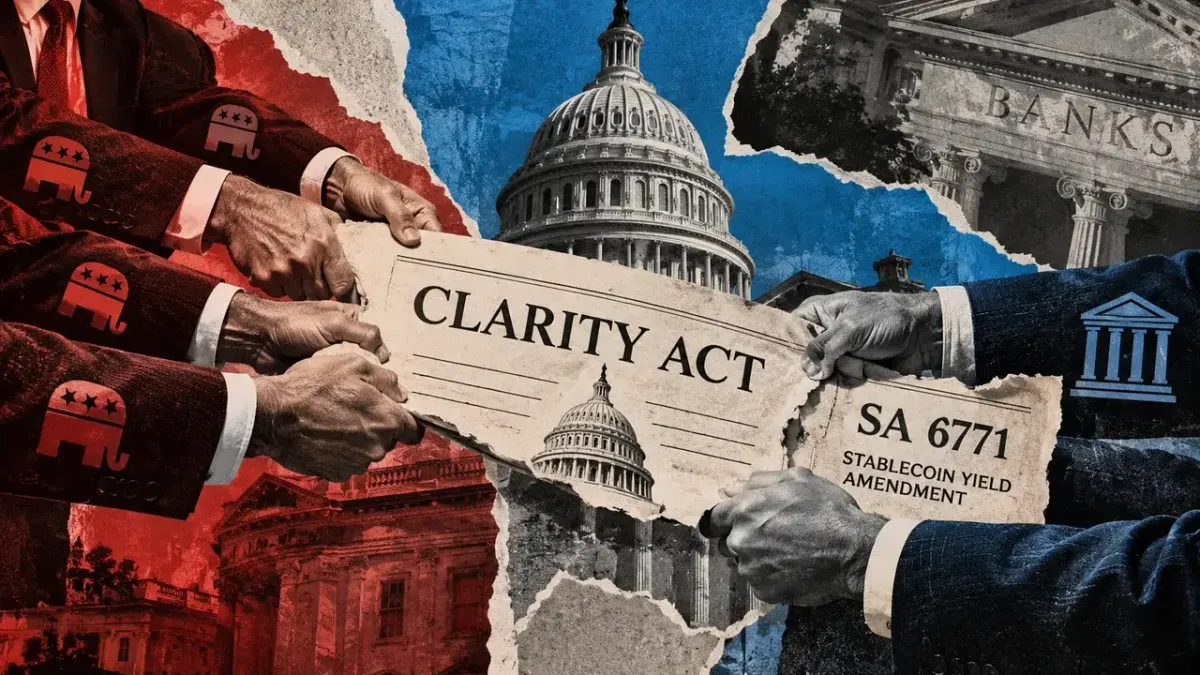
Four GOP senators backing CLARITY Act seek changes to stablecoin provisions
US investigates Binance for potential Iran-linked trading violations
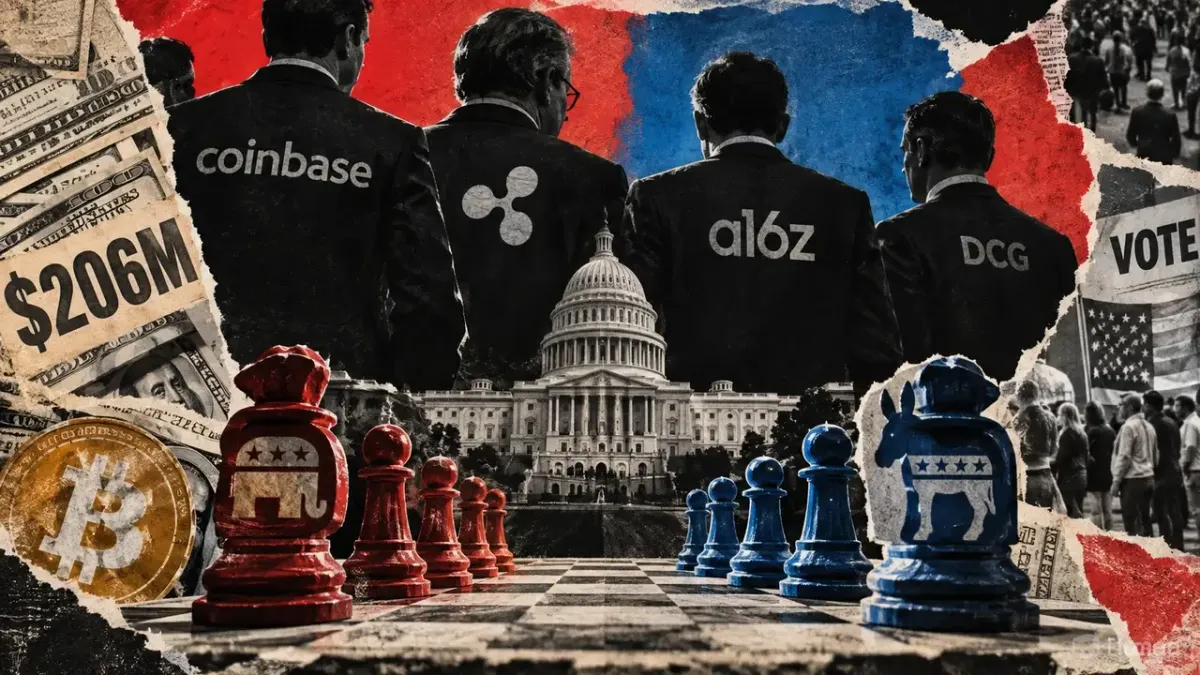
Crypto sector emerges as top donor with $206 million in midterms backing

Stand With Crypto’s 4 million registered advocates couldn’t get the CLARITY Act through the Senate