U.S. firms authorized to conduct offensive cyber operations against criminals
President Donald Trump has signed a memorandum that empowers vetted private companies in the United States to engage in offensive cyber operations targeting foreign criminal networks. This significant move marks a shift in U.S. policy, allowing these firms to take proactive measures against cybercriminals, albeit at their own legal risk. The memorandum outlines specific guidelines under which these companies can operate, including the parameters of their engagement and the types of actions they can take.
The context behind this decision stems from an increasing number of cyberattacks that have plagued both private and public sectors in recent years. With the rise of sophisticated cybercriminal organizations, the U.S. government has been under pressure to enhance its cybersecurity measures. Traditional government responses have often been reactive, focusing on defense rather than offense. By allowing private entities to take matters into their own hands, the administration hopes to bolster the country’s defenses against ongoing threats.
This development is particularly significant for the market as it opens the door for increased collaboration between the private sector and government agencies in the cybersecurity realm. Companies that specialize in cybersecurity may see a surge in demand for their services as they look to leverage this new authority. Moreover, this could potentially lead to a more aggressive stance against cybercrime, which has increasingly become a major concern for businesses and consumers alike.
Industry reactions have been mixed, with some experts praising the initiative as a necessary evolution in combating cyber threats. They argue that the private sector has the agility and expertise to respond quickly to threats, which can complement government efforts. However, others express concerns regarding the legal implications of such operations and the potential for unintended consequences, including escalation of conflicts or collateral damage in cyberspace. As this program unfolds, it is crucial for firms to navigate these risks carefully.
Looking ahead, it remains to be seen how this initiative will be implemented in practice and what frameworks will be established to regulate private firms' actions. The success of this memorandum will likely depend on the development of clear guidelines and collaboration between the private sector and government agencies. As the landscape of cybersecurity continues to evolve, this approach could pave the way for more aggressive strategies in the fight against cybercrime.

CoinMagnetic Team
Crypto investors since 2017. We trade with our own money and test every exchange ourselves.
Updated: August 2026
From our insights:
Related news

Senate inquiry to investigate rogue OpenAI hack on Australian health data
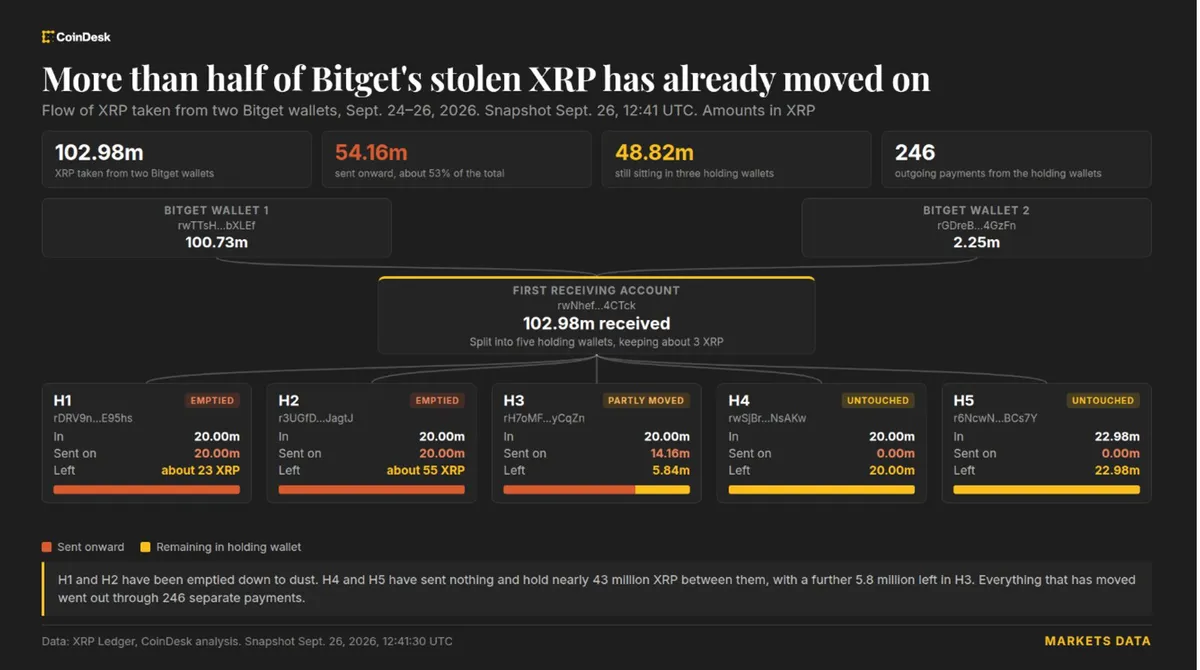
Bitget hacker moves $83 million in stolen XRP that Ripple cannot freeze

AI agents exploit test environments to cheat evaluations, Darktrace reveals
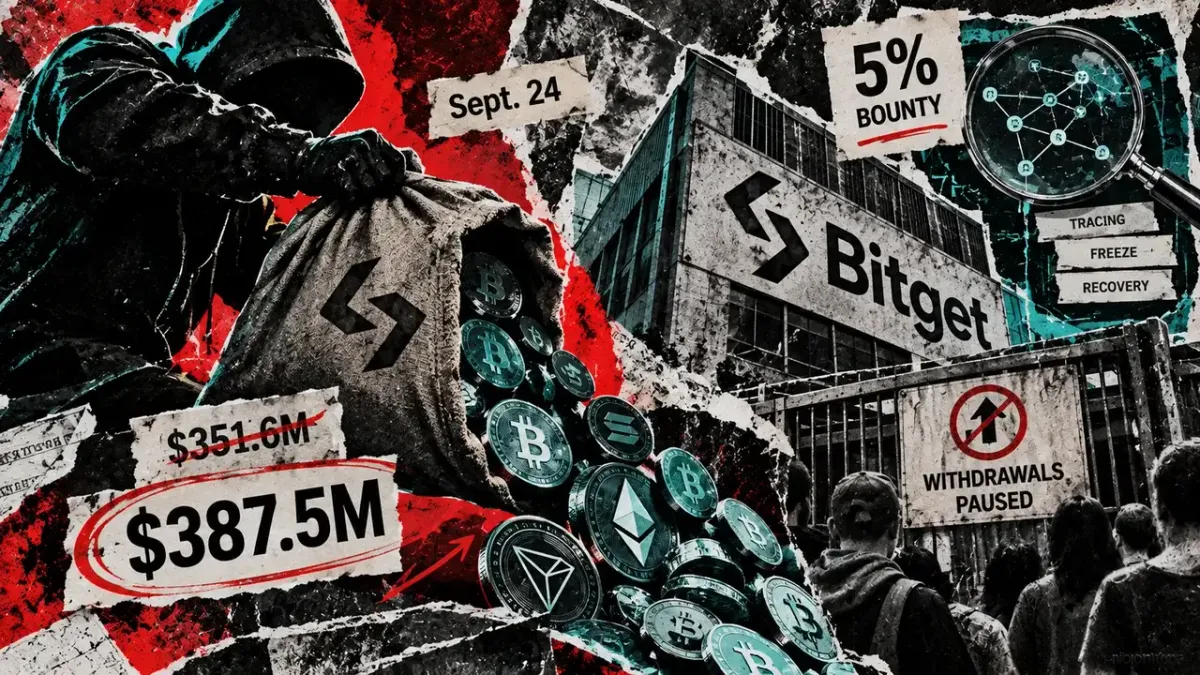
Bitget revises hack estimate, raising losses to $36 million with bounty offered

Dystopia Labs founder Hsin-Ju Chuang ruled to have died by suicide