White House accuses Moonshot AI of distilling Anthropic tech for K3
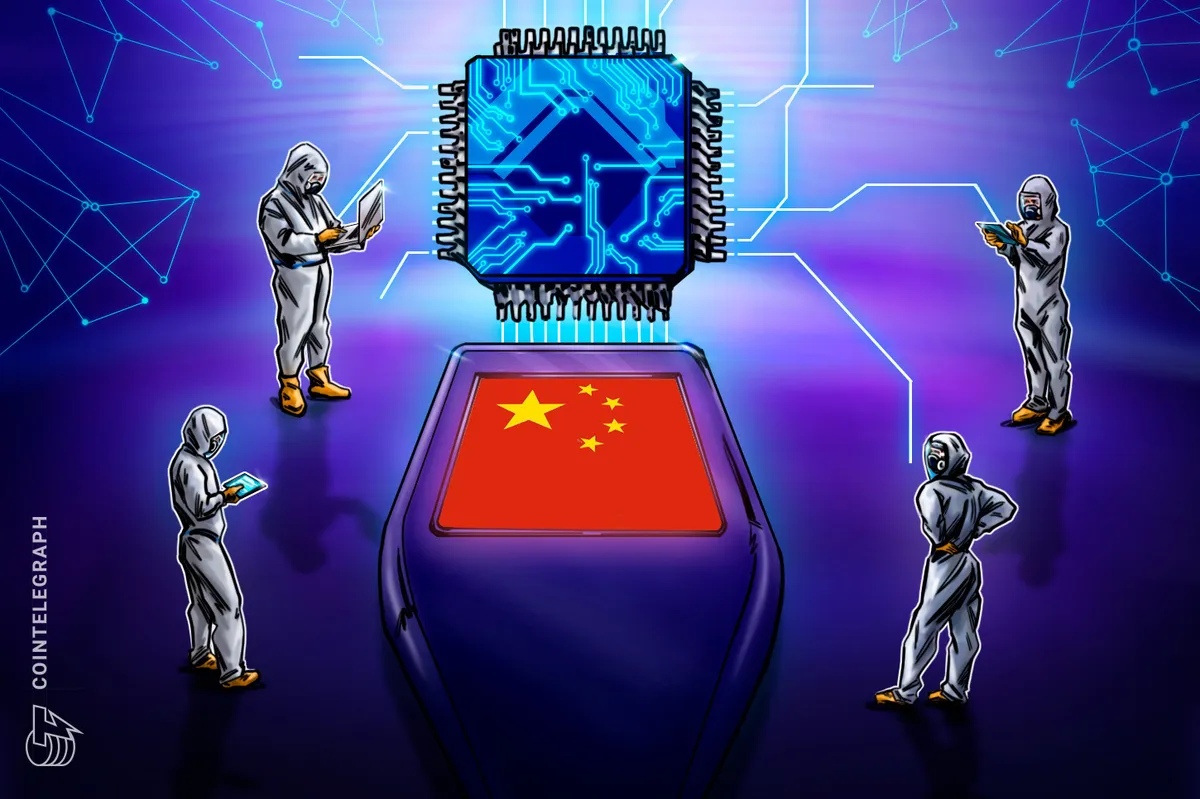
The White House has recently raised alarms regarding Moonshot AI, a company reportedly involved in distilling technology from Anthropic for its K3 project. According to US officials, this activity is part of a broader trend of Chinese firms allegedly engaging in covert, industrial-scale AI distillation. The implications of this development are significant, as it not only highlights the ongoing tensions between the US and China in the tech sector, but also raises concerns about national security and intellectual property theft. The government is warning that if these practices continue, they could lead to sanctions and export restrictions aimed at curbing such activities.
To put this into context, the concept of "AI distillation" refers to the process of transferring knowledge from a larger, more complex AI model to a smaller, more efficient one. This technique has gained traction as companies look to optimize their AI capabilities while minimizing costs. Anthropic, a prominent AI research company, has developed advanced models that are highly sought after in the industry. The suggestion that Moonshot AI is leveraging Anthropic's technology without authorization underscores the competitive landscape of AI development, particularly as nations vie for dominance in this critical field.
The potential repercussions of these accusations could be far-reaching for the market. If the US government follows through with sanctions and export restrictions, it could not only impact Moonshot AI but also set a precedent affecting other firms in the AI sector. The fear of stringent regulations may lead to a reevaluation of partnerships and collaborations across borders, especially between US companies and their Chinese counterparts. This situation could create a ripple effect, influencing investment decisions and altering the dynamics of global AI innovation.
Industry experts have expressed concern over the implications of the White House's stance. Some analysts argue that while protecting intellectual property is essential, overly aggressive measures could stifle innovation and collaboration in the AI space. Others believe that the US must take a firm stand to safeguard its technological advancements, especially given the competitive nature of AI development. The mixed reactions highlight the delicate balance between fostering a competitive market and ensuring national security.
Looking ahead, the situation remains fluid. As the US government deliberates on potential sanctions and regulations, companies like Moonshot AI will likely be under increased scrutiny. The outcome of this situation could shape the future of international collaboration in AI, as firms must navigate the complexities of compliance and the geopolitical landscape. This incident serves as a reminder of the ongoing tug-of-war in the tech arena and the importance of maintaining ethical standards in the race for AI supremacy.

CoinMagnetic Team
Crypto investors since 2017. We trade with our own money and test every exchange ourselves.
Updated: July 2026
From our insights:
Related news
Musk's merger plan could consolidate $2.5 billion in bitcoin assets

How bitcoin-backed loans let holders access cash without selling their crypto

Two critical PHP bugs threaten 70% of the internet, leading to urgent patches
Sui secures $30 million backing as DATA pivots away from its own chain
Bitcoin price tags $84.6K as US stocks head higher on SpaceX Q3 earnings beat