While bitcoin holds near $63,000, some data points to pain ahead for bulls

Recent on-chain data indicates that Bitcoin's market price has stabilized around $63,000, but there are troubling signs that suggest potential challenges ahead for bullish investors. The realized price, which reflects the average price at which Bitcoin has been last moved, sits closely to the current market price. This proximity highlights a weakening demand, particularly from exchange-traded funds (ETFs). As institutional interest wanes, it raises concerns about the sustainability of the current price level and the possible implications for future market movements.
To understand the current situation, it is essential to consider the backdrop of Bitcoin's recent price surges. Earlier in the year, Bitcoin experienced a significant rally, attracting both retail and institutional investors. The entry of Bitcoin ETFs provided a new avenue for institutional capital, creating optimism within the market. However, recent data suggests that this demand is faltering. With ETF inflows decreasing, many market participants are questioning whether the previous momentum can be maintained.
This situation is particularly critical for the broader cryptocurrency market. Bitcoin often serves as a bellwether for other digital assets, and its price movements can influence investor sentiment across the entire sector. If Bitcoin's price falters due to declining demand, it could trigger a broader sell-off, impacting altcoins and other cryptocurrencies. The proximity of the market price to the realized price may also signal a lack of conviction among traders, potentially leading to increased volatility in the short term.
Industry experts have varied responses to this developing situation. Some analysts believe that the current stagnation could be a healthy consolidation phase, allowing Bitcoin to build a stronger foundation for future growth. Others, however, are more cautious, suggesting that the weakening demand from ETFs could signify a larger trend of diminishing institutional interest. As the market navigates these conflicting perspectives, it reflects the complexities of investor sentiment and the intricacies of market dynamics.
Looking ahead, market participants will be closely monitoring upcoming economic indicators and regulatory developments that could impact the crypto landscape. The potential for renewed interest from institutional players remains, especially if favorable regulatory news emerges. However, if the current trend of weakening demand persists, it may lead to a more prolonged period of consolidation or even a downturn for Bitcoin. The coming weeks will be crucial for determining the trajectory of the market, as both bulls and bears position themselves for what lies ahead.

CoinMagnetic Team
Crypto investors since 2017. We trade with our own money and test every exchange ourselves.
Updated: June 2026
From our insights:
Related news
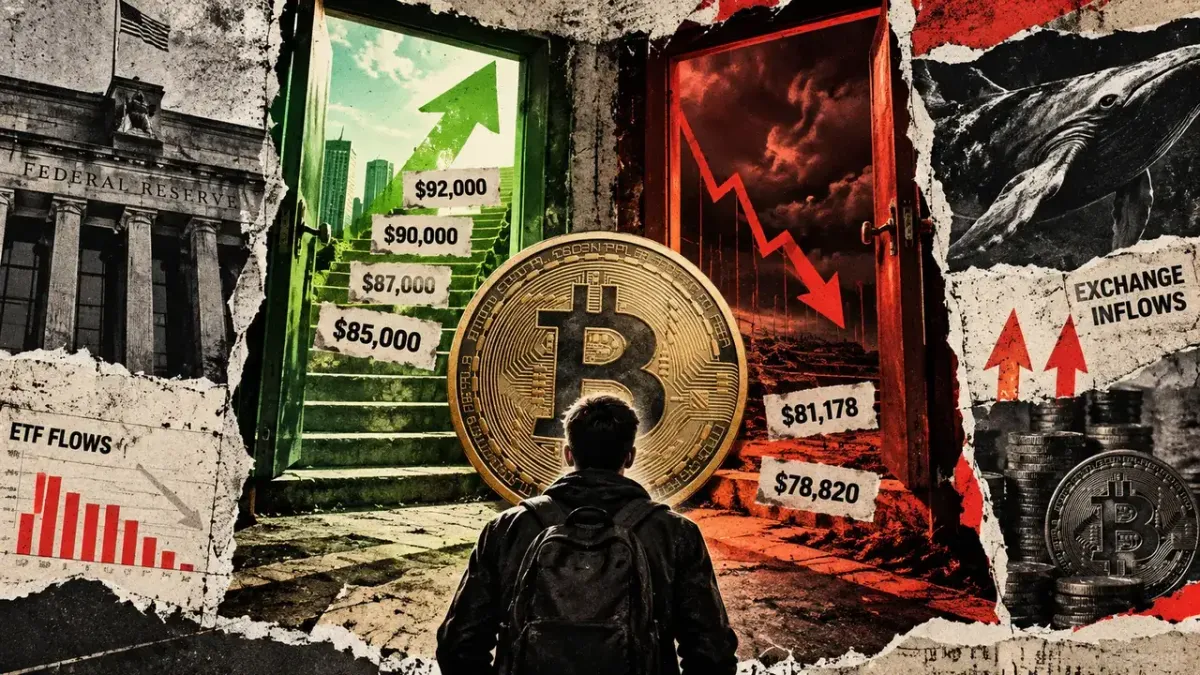
Bitcoin's weekly close above $81,000 signals potential rise to $90,000

Elon Musk's X integrates bitcoin trading options for U.S. users
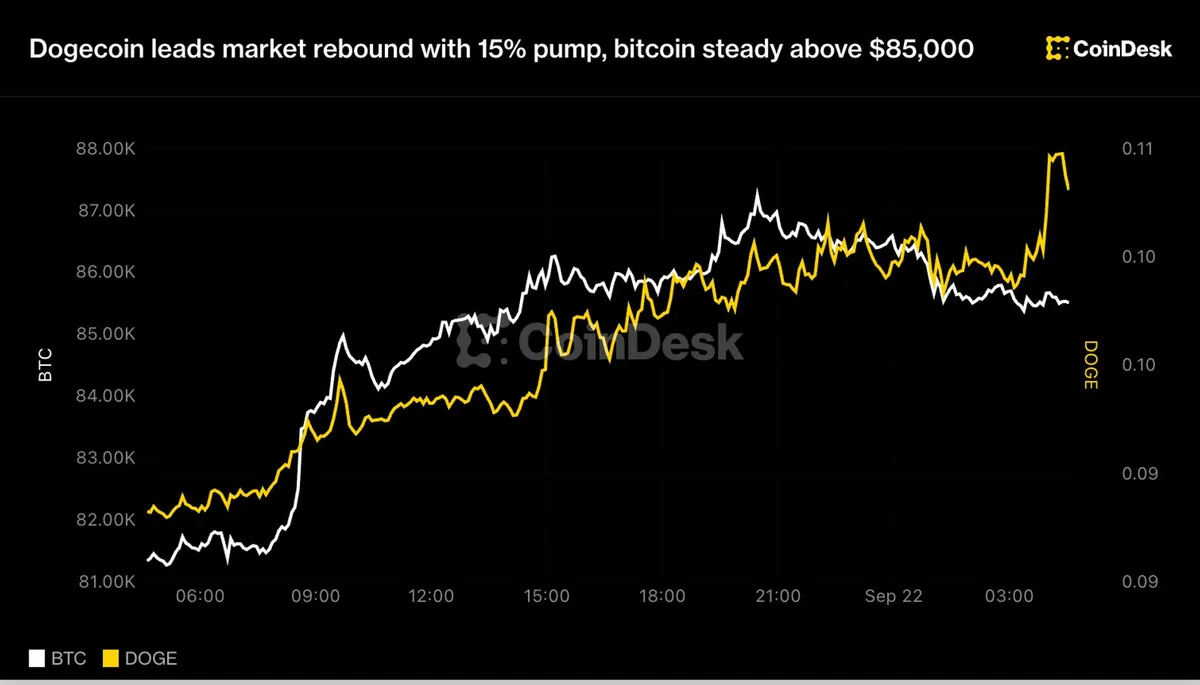
Dogecoin's 15% surge drives market recovery as bitcoin stabilizes above $85,000

Cardano adds tools for AI agent payments, joining Solana and XRP Ledger

Trueo prediction market moves from Base to Ethereum