When the market is bad, we build: Inside Binance’s bold 2030 master plan

Binance has unveiled an ambitious 2030 master plan that aims to reshape the landscape of cryptocurrency and its relationship with traditional finance. Catherine Chen, Binance’s Head of VIP and Institutional, articulated a vision where established crypto firms collaborate with traditional financial institutions, rather than being overshadowed by them. This bold stance comes at a time when the market is facing significant challenges, prompting Binance to double down on innovation and strategic partnerships. The company's plan highlights a commitment to building infrastructure that can withstand market volatility while promoting the integration of crypto into mainstream finance.
The backdrop to this announcement is a turbulent period for the cryptocurrency market, marked by regulatory scrutiny, market fluctuations, and a general sense of uncertainty. Established players in the space have had to adapt quickly to survive, leading to a wave of consolidation and partnership talks. Chen’s comments reflect a belief that the future of finance will be a hybrid model, where digital assets and traditional finance coexist and complement each other, rather than traditional institutions completely dominating the space. This perspective is crucial as it emphasizes the resilience of the crypto sector in the face of adversity.
Understanding the implications of this master plan is essential for market participants. The potential merging of crypto and traditional finance could lead to greater legitimacy for digital assets, fostering wider adoption among institutional investors and retail consumers alike. If successful, this initiative may also encourage regulatory bodies to create frameworks that support innovation while ensuring consumer protection. This could enhance market stability and attract new capital into the cryptocurrency space, potentially reversing some of the negative sentiment currently pervasive in the industry.
The industry reaction to Binance's announcement has been mixed, with some experts praising the initiative as a forward-thinking approach that capitalizes on the strengths of both sectors. Others, however, express skepticism about the feasibility of such partnerships, noting the cultural and operational differences between traditional finance and the crypto world. Many industry insiders are curious to see how Binance will navigate regulatory challenges and the inherent volatility of the crypto market as they pursue this ambitious plan. As the conversation around crypto’s role in finance evolves, opinions are likely to diverge, leading to ongoing debates within the community.
Looking ahead, the success of Binance’s 2030 master plan will hinge on its ability to execute strategic partnerships and foster collaboration between crypto firms and traditional financial institutions. As the company embarks on this journey, it will need to remain agile and responsive to the ever-changing landscape of both sectors. The coming years will be critical for Binance and its vision, as they seek to redefine the relationship between cryptocurrencies and traditional finance in a way that benefits all stakeholders involved.

CoinMagnetic Team
Crypto investors since 2017. We trade with our own money and test every exchange ourselves.
Updated: May 2026
From our insights:
Related news
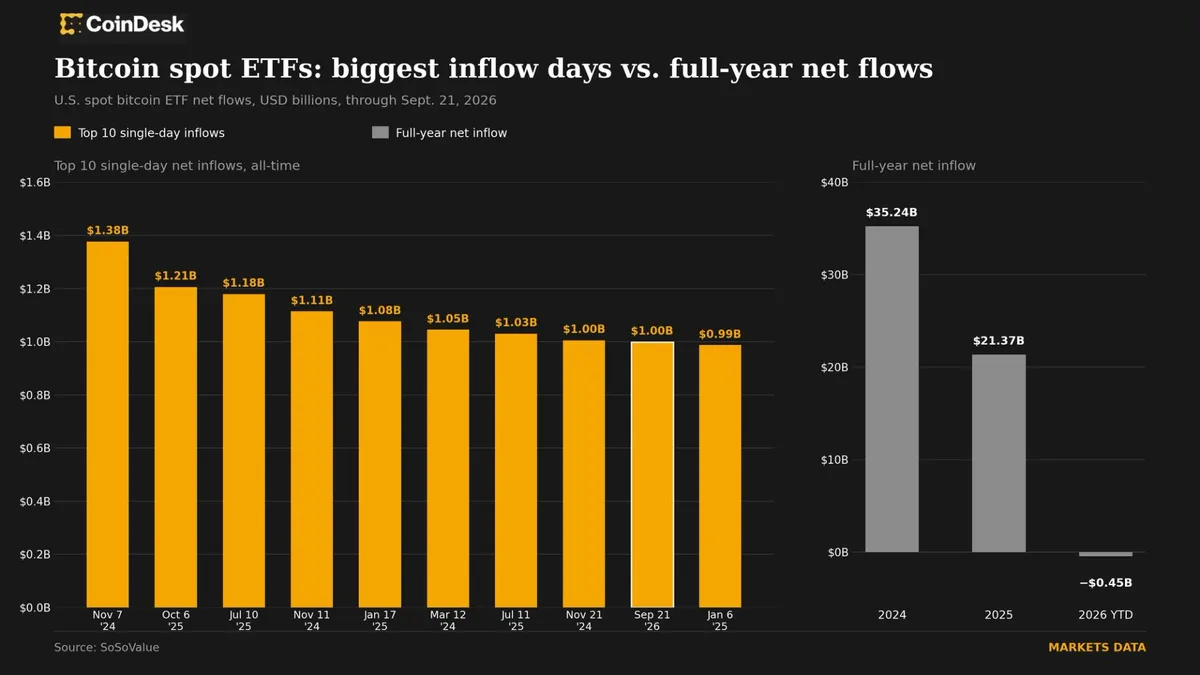
Spot bitcoin ETFs see nearly $1 billion inflow as bitcoin hits January highs

US spot Bitcoin ETFs see nearly $1 billion inflow, highest since October 2025

Bitcoin's rise to $86,000 restores profitability for ETF investors
Apple and Google seek crypto experts, signaling potential stablecoin initiatives

ECB initiates bond purchases using its own funds in crypto-linked system