What Is BIP-110 and Why Is It Dividing the Bitcoin Community?
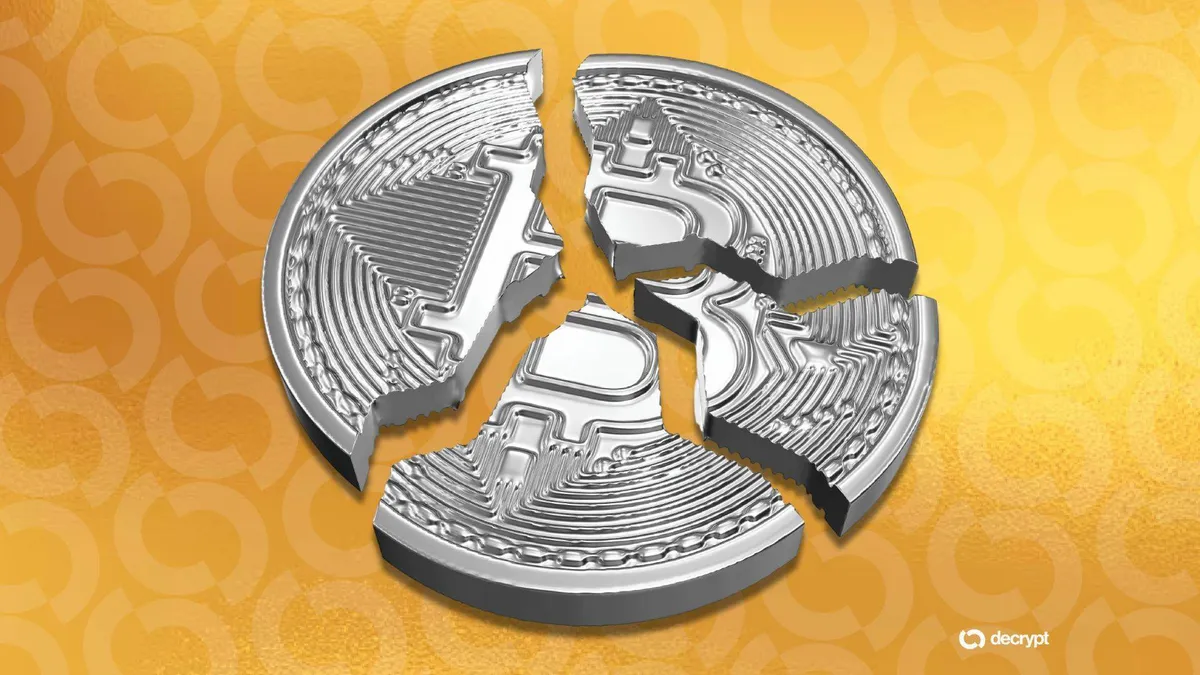
A new proposal known as BIP-110 is stirring significant debate within the Bitcoin community as it seeks to limit the amount of non-financial data that can be added to Bitcoin transactions. This proposal has garnered attention for its potential to affect the network's functionality and its governance structure. With the activation deadline approaching, developers, miners, and industry leaders are weighing in on the implications of BIP-110. The discussion has rekindled memories of the previous Blocksize Wars, highlighting the ongoing challenges that arise when balancing innovation and the foundational principles of the Bitcoin protocol.
To understand the context of BIP-110, we must look back at Bitcoin's history of governance disputes. The Blocksize Wars, which took place a few years ago, were characterized by heated disagreements over the optimal block size for transactions, ultimately leading to the creation of Bitcoin Cash as a separate blockchain. The current discourse surrounding BIP-110 reflects similar tensions, as it raises questions about what data is essential for Bitcoin’s functioning and what may detract from the network’s primary role as a financial transaction system. This proposal aims to establish clearer boundaries for transaction data, a move that proponents argue could enhance network efficiency and security.
The significance of BIP-110 for the market cannot be overstated. Should the proposal gain traction, it could lead to a more streamlined Bitcoin network, potentially increasing its attractiveness to users and investors who prioritize efficiency. However, if it is perceived as overly restrictive, it may alienate developers and users who value Bitcoin's versatility and the ability to innovate on the platform. The outcome of this debate could influence Bitcoin's long-term adoption and its position within the broader cryptocurrency ecosystem, as developers might look to alternative solutions that allow for greater flexibility.
Reactions from industry leaders and experts have been mixed, with some advocating for the proposal as a necessary step toward protecting Bitcoin's integrity, while others warn that it could stifle innovation. Prominent developers have voiced concerns that restricting non-financial data could limit the potential use cases for Bitcoin beyond simple transactions. Miners, too, are divided; some see the benefits of a more efficient network, while others fear it may adversely impact their operations. As discussions continue, it is evident that BIP-110 is not just a technical proposal but a reflection of the philosophical divides that exist within the Bitcoin community.
Looking ahead, the upcoming activation deadline will be pivotal in determining BIP-110's fate. As more stakeholders engage in dialogue, the Bitcoin community may either find common ground or deepen existing rifts. The outcome will undoubtedly shape the future governance of Bitcoin and could set a precedent for how similar proposals are handled in the future. As we approach this deadline, it is essential to monitor the discussions and decisions that will influence not only Bitcoin's immediate trajectory but also its long-term sustainability as a leading cryptocurrency.

CoinMagnetic Team
Crypto investors since 2017. We trade with our own money and test every exchange ourselves.
Updated: July 2026
From our insights:
Related news
Binance Is Shutting Down Its Bitcoin Mining Pool After Six Years
Binance sets November 10 deadline to sunset mining pool and cloud mining services

Binance sets November 10 deadline for mining pool shutdown

Proposed US accounting changes could boost corporate stablecoin adoption, Tempo says

Bitcoin miners need $50 billion for AI infrastructure as funding gaps grow