What Is BChat? The Decentralized Messaging App Built for Privacy

BChat has emerged as an innovative decentralized messaging application designed to address the inherent vulnerabilities of traditional messaging platforms that use end-to-end encryption (E2EE). Built on the Beldex Network, BChat aims to enhance user privacy and security by offering a more robust alternative to conventional messaging systems. The platform not only focuses on encryption but also introduces additional layers of anonymity and decentralization, empowering users with greater control over their communications. With rising concerns over data privacy and surveillance, BChat's development resonates with a growing demand for secure messaging solutions.
The background of BChat is rooted in the increasing scrutiny faced by E2EE systems, which, despite their advantages, can still be compromised by various means. Issues such as metadata collection, potential backdoors, and centralized server vulnerabilities have raised alarms among privacy advocates. Beldex, the underlying network for BChat, was created to provide a more comprehensive approach to privacy, integrating blockchain technology to decentralize user data and eliminate single points of failure. This shift towards decentralized communication aligns with a broader trend in the tech industry that seeks to prioritize user privacy and data security.
The introduction of BChat is significant for the cryptocurrency and blockchain markets as it highlights the potential applications of decentralized technologies beyond financial transactions. By focusing on secure communication, BChat could attract a new user base that values privacy, potentially driving adoption for both the Beldex network and other decentralized platforms. As users become increasingly aware of the risks associated with centralized messaging services, the demand for alternatives like BChat may spur further innovation within the industry. This shift could lead to a more diversified ecosystem where privacy-centric applications flourish.
Industry reactions to BChat have been largely positive, with experts acknowledging the necessity of solutions that address the shortcomings of existing messaging systems. Many believe that a decentralized approach not only enhances security but also empowers users by giving them ownership over their data. Some analysts suggest that BChat could catalyze a wave of similar projects designed to tackle privacy issues across various digital landscapes. As the conversation around data privacy continues to evolve, BChat may serve as a benchmark for future developments in decentralized communication.
Looking ahead, BChat's success will rely on several factors, including user adoption, ease of use, and the ability to effectively market its unique privacy features. As the platform rolls out its services, it will be crucial to monitor user feedback and iterate on the application to meet the needs of its community. Additionally, as regulatory frameworks surrounding data privacy evolve, BChat may need to adapt to maintain its commitment to user security while navigating the compliance landscape. The team behind BChat is poised to play a pivotal role in shaping the future of private messaging, and the coming months will be critical in determining its impact on both users and the broader market.

CoinMagnetic Team
Crypto investors since 2017. We trade with our own money and test every exchange ourselves.
Updated: June 2026
From our insights:
Related news

Bitcoin surges past $86,000 as $1 billion in shorts are liquidated, eyes on $90,000
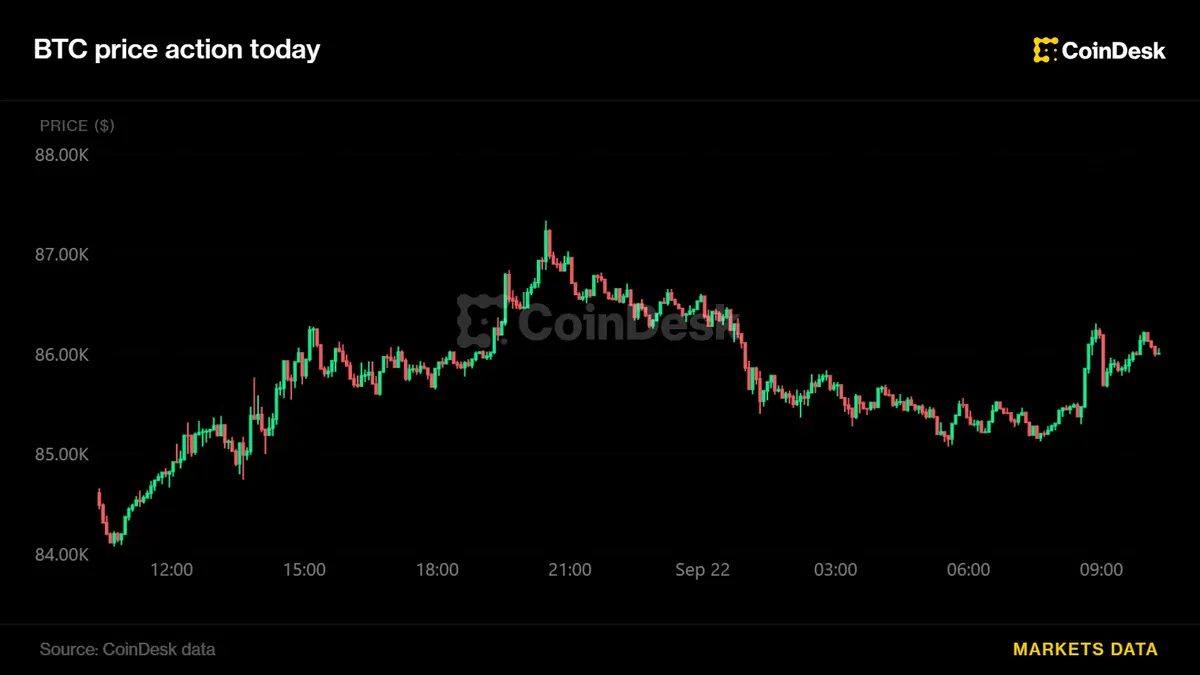
Bitcoin bounces back to $86,000 as oil prices decline and stocks rise

Prediction markets projected to reach $10 trillion by 2035, surpassing sports
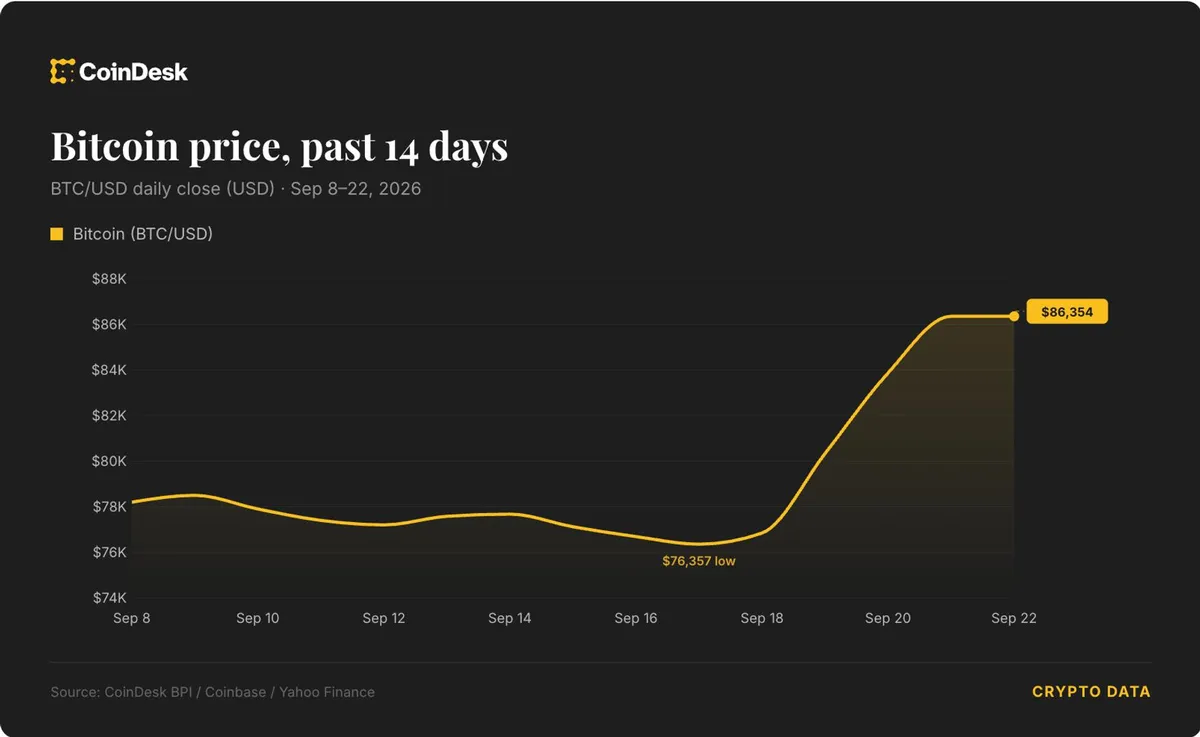
Iran hints at reopening Strait of Hormuz, WTI oil drops to $89

New altseason signal emerges as Bitcoin market cap stays under 60%