What Is AI Jailbreaking? A Beginner's Guide to the Cat-and-Mouse Game Behind Every Chatbot
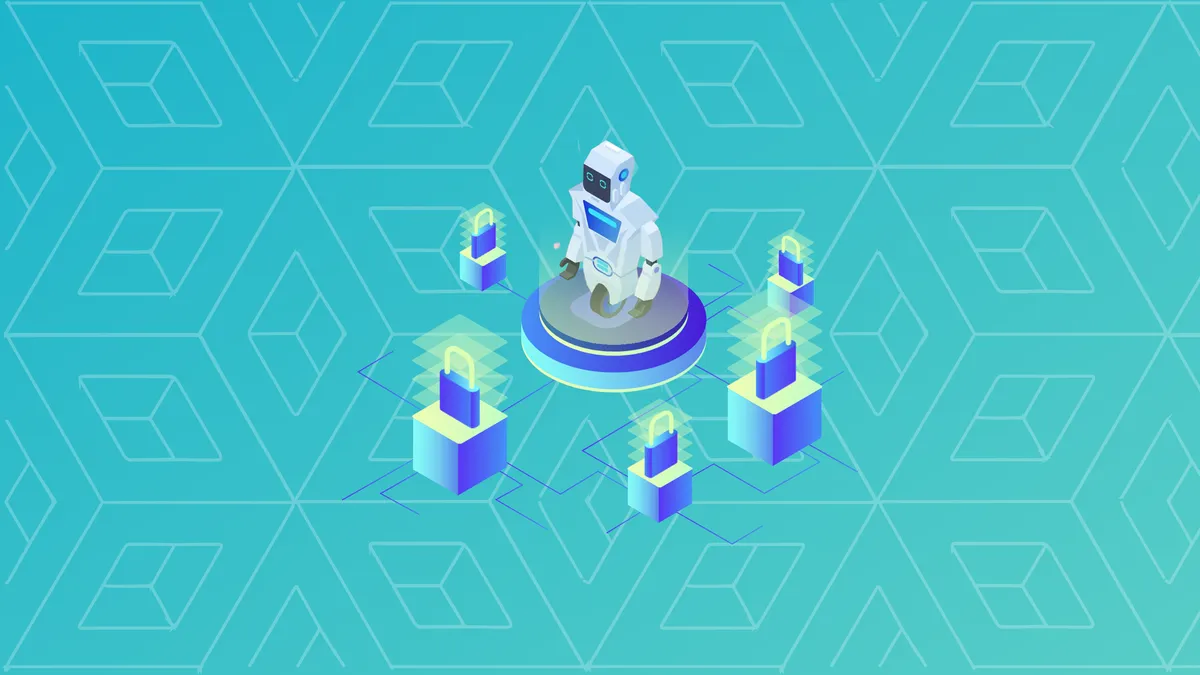
Recently, the concept of AI jailbreaking has gained significant attention in the tech world, drawing parallels with the early days of jailbreaking smartphones. AI jailbreaking refers to the practice of circumventing the restrictions set by developers on large language models (LLMs) such as ChatGPT. This process allows users to access features or outputs that the original programming intended to restrict, often leading to unexpected and unregulated interactions with AI systems. As these models become more integrated into everyday applications, the implications of jailbreaking are becoming increasingly relevant, raising concerns about security, misuse, and ethical boundaries.
The roots of jailbreaking can be traced back to the early iPhone days when tech enthusiasts sought to unlock their devices for greater customization and control. Similarly, the AI landscape has transformed dramatically, with LLMs evolving from simple algorithms to complex systems capable of generating human-like text. As these models have been deployed across various platforms, the potential for misuse has led developers to implement stricter safety measures. However, the ongoing cat-and-mouse game between developers and those looking to jailbreak these systems has intensified, as users find new ways to exploit vulnerabilities.
This development is crucial for the market as it highlights the ongoing balance between innovation and regulation. Companies investing heavily in AI technology must not only focus on enhancing their models but also ensure robust security measures to protect against potential abuses. The rise of AI jailbreaking could lead to increased scrutiny from regulatory bodies, which may impose stricter guidelines on how these technologies can be used. Furthermore, the implications of jailbreaking could influence consumer trust, as users become wary of the potential risks associated with unregulated AI interactions.
Industry experts have expressed a mix of concern and curiosity regarding the implications of AI jailbreaking. Some view it as a necessary step for innovation, arguing that it could lead to advancements in AI capabilities by allowing developers to explore uncharted territories. Others caution against the potential dangers, emphasizing that unrestricted access could result in the spread of misinformation or harmful content. This divide in perspectives underscores the complexity of the issue, as stakeholders navigate the fine line between fostering creativity and ensuring safety.
Looking ahead, the future of AI jailbreaking remains uncertain. As the technology continues to evolve, developers will likely enhance their security measures to counteract jailbreaking attempts. Additionally, ongoing discussions about ethical AI usage may lead to industry-wide standards aimed at preventing misuse while still allowing for creative exploration. It will be essential for both developers and users to engage in open dialogue about the implications of jailbreaking, ultimately shaping the future of AI in a way that balances innovation with responsibility.

CoinMagnetic Team
Crypto investors since 2017. We trade with our own money and test every exchange ourselves.
Updated: May 2026
From our insights:
Related news

Bitcoin's weekly close above $81,000 signals potential rise to $90,000

Elon Musk's X integrates bitcoin trading options for U.S. users

Dogecoin's 15% surge drives market recovery as bitcoin stabilizes above $85,000

Cardano adds tools for AI agent payments, joining Solana and XRP Ledger

Trueo prediction market moves from Base to Ethereum