What Happens When Bitcoin Reaches 21 Million Supply?
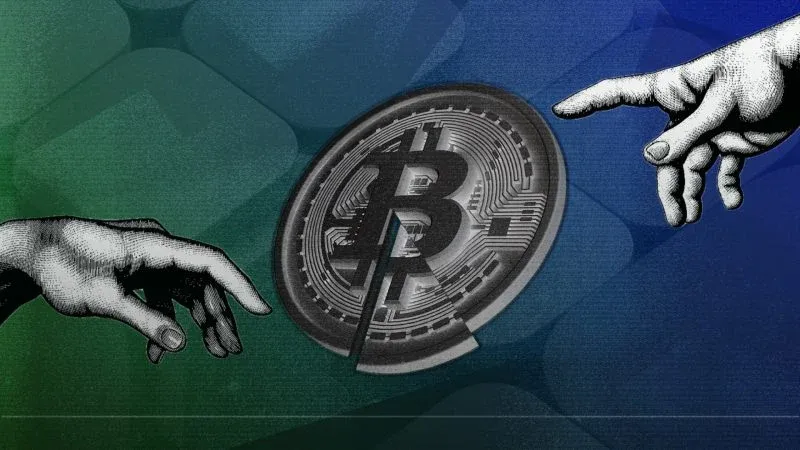
As Bitcoin approaches its maximum supply of 21 million coins, the implications for the cryptocurrency market are becoming a hot topic of discussion among investors and analysts alike. This limit, hard-coded into the Bitcoin protocol by its pseudonymous creator, Satoshi Nakamoto, means that after all 21 million bitcoins have been mined, no new bitcoins will ever enter circulation. While this milestone is expected to occur around the year 2140, the anticipation surrounding it raises questions about how the network will function without the incentive of newly minted coins for miners. Instead of earning bitcoin through mining rewards, miners will rely solely on transaction fees for their income, which could reshape the dynamics of the Bitcoin ecosystem.
To understand the significance of this impending limit, it is essential to consider the historical context of Bitcoin's supply model. Launched in 2009, Bitcoin introduced a revolutionary concept of a decentralized digital currency, underpinned by scarcity–akin to precious metals like gold. The gradual reduction of block rewards through a process known as "halving" has been a defining characteristic of Bitcoin’s monetary policy, creating a predictable issuance schedule. By design, this scarcity has played a vital role in fostering a sense of value and investment appeal, contributing to Bitcoin's rise as a store of value and hedge against inflation.
The market implications of reaching the 21 million cap could be profound. As no new bitcoins will be generated, the supply will become increasingly fixed, potentially driving up demand as more people recognize Bitcoin as a finite resource. This scarcity could lead to price increases, especially if the adoption of Bitcoin continues to grow among institutional investors and retail users. Moreover, the shift in miner incentives–transitioning from block rewards to transaction fees–could lead to fluctuations in network security and transaction processing times, depending on how miners adapt to this new economic reality.
Industry experts have begun weighing in on the potential consequences of Bitcoin reaching its full supply. Some argue that a transition to a fee-based model could encourage more efficient transaction processing and prioritization of high-value transactions. Others caution that a decline in mining rewards could lead to fewer miners participating in the network, which might compromise its security and resilience. As Bitcoin matures, the conversation around its supply limits is expected to escalate, with various stakeholders providing insights into how the ecosystem will evolve.
Looking ahead, it is crucial for both miners and investors to prepare for the changes that will come with Bitcoin’s capped supply. As we approach this milestone, discussions around scaling solutions, transaction fee structures, and the overall sustainability of the network will likely intensify. The future of Bitcoin hinges not just on its supply cap but also on how the community responds to this new chapter in its journey–a chapter that could redefine the very nature of digital currency in the years to come.

CoinMagnetic Team
Crypto investors since 2017. We trade with our own money and test every exchange ourselves.
Updated: June 2026
From our insights:
Related news

Power cuts to Bitcoin miners may paradoxically increase energy consumption

Grayscale’s Zcash ETF plans 3-for-1 split after $233 million inflow surge
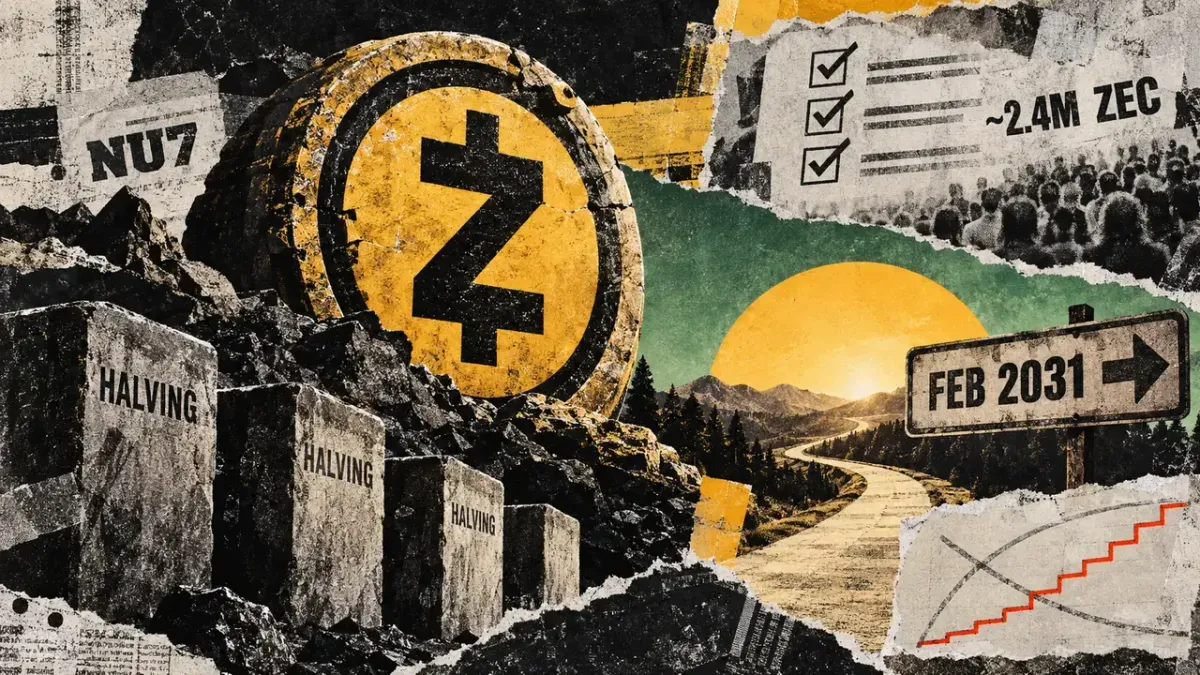
Zcash community votes to maintain halvings while delaying recycled ZEC until 2031
Zcash surges 168% in a month, nearing $1,400 after halving decision

Zcash miner Fortitude names former Hut 8 chief Jaime Leverton CEO ahead of Nasdaq deal
