What happens to Bitcoin if Nasdaq falls further?

Recent analysis indicates that Bitcoin is currently positioned to rally toward $92,630, successfully defending vital long-term support levels. This bullish outlook emerges during a period of heightened volatility in the broader financial markets, particularly as the Nasdaq Composite Index shows signs of deeper correction risks. The relationship between Bitcoin and traditional equity markets, especially tech stocks represented in the Nasdaq, has been under scrutiny, as many investors are questioning how further declines in the stock market could impact the cryptocurrency’s performance.
To provide some context, the Nasdaq has been experiencing fluctuations attributed to various macroeconomic factors, including rising interest rates and inflationary pressures. As tech stocks often lead market trends, a sustained downturn in the Nasdaq could provoke a broader risk-off sentiment among investors. This scenario raises concerns about the correlation between Bitcoin and equities–a relationship that has been more pronounced in recent years as institutional adoption of cryptocurrencies has increased. Historical data suggests that Bitcoin tends to follow the risk appetite displayed in traditional markets, making its current resilience noteworthy.
The implications of a potential Nasdaq decline are significant for the cryptocurrency market. If the Nasdaq continues its downward trajectory, it could lead to increased selling pressure in Bitcoin, as investors may liquidate crypto holdings to cover losses or secure liquidity. Conversely, if Bitcoin manages to hold its support levels and rally as predicted, it could signal a decoupling from traditional markets, reinforcing its narrative as a store of value during times of economic uncertainty. This divergence could attract new capital from investors seeking alternative assets.
Industry reactions to these developments reveal a mix of caution and optimism. Some experts suggest that Bitcoin's recent performance indicates a growing maturity in the market, as it demonstrates an ability to withstand external pressures. Others, however, express concern about the potential for increased volatility if the Nasdaq experiences a more severe correction. Analysts are closely monitoring key technical indicators, which may provide insights into Bitcoin's resilience or vulnerability in the face of broader market dynamics.
Looking ahead, market participants will be keen to observe how Bitcoin reacts to any further declines in the Nasdaq. If Bitcoin can maintain its support levels and continue its pursuit of the $92,630 target, it may solidify its position as a viable alternative investment. Conversely, a failure to hold support could trigger a reevaluation of positions among investors. As the situation unfolds, the interplay between Bitcoin and traditional markets will remain a focal point for analysts and traders alike, shaping the future landscape of both assets.

CoinMagnetic Team
Crypto investors since 2017. We trade with our own money and test every exchange ourselves.
Updated: June 2026
From our insights:
Related news

Bitcoin surges past $86,000 as $1 billion in shorts are liquidated, eyes on $90,000
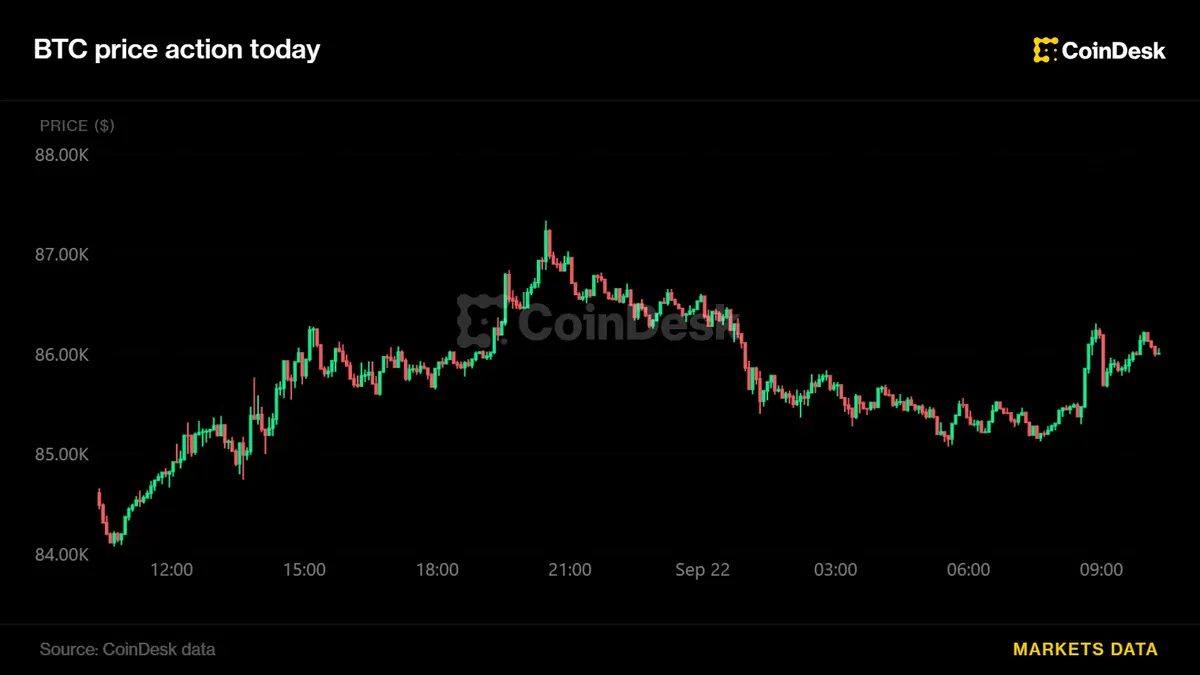
Bitcoin bounces back to $86,000 as oil prices decline and stocks rise

Prediction markets projected to reach $10 trillion by 2035, surpassing sports
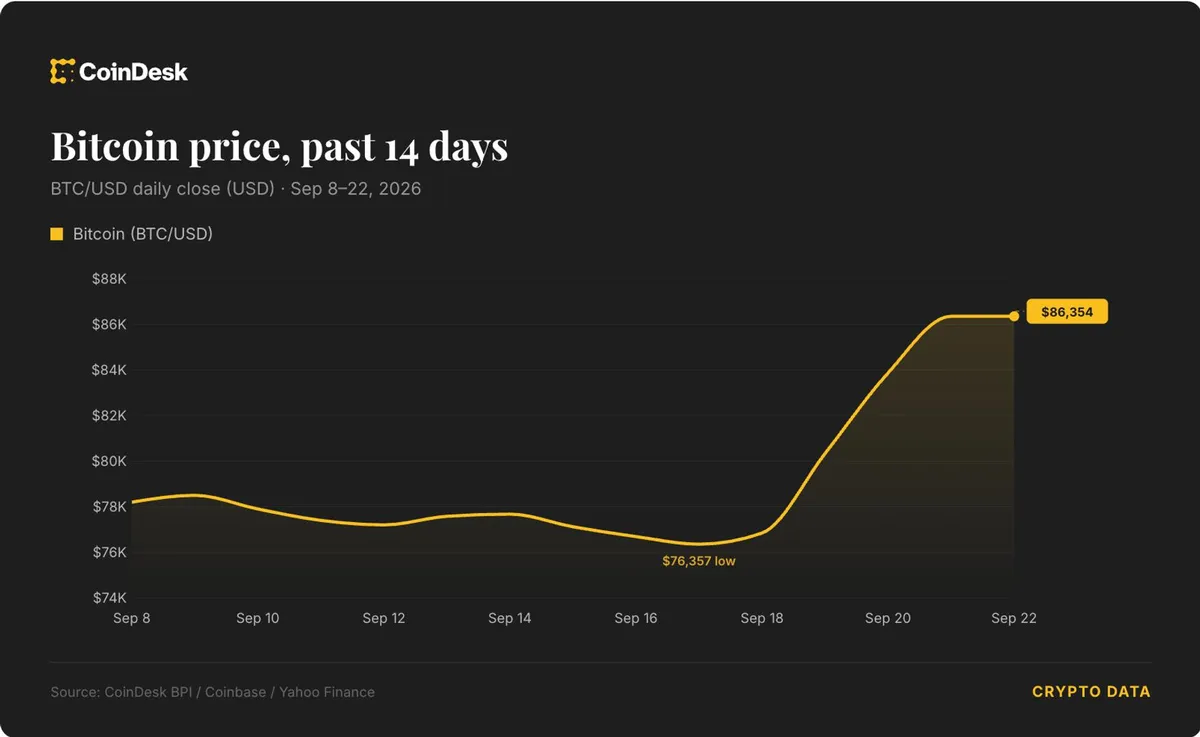
Iran hints at reopening Strait of Hormuz, WTI oil drops to $89

New altseason signal emerges as Bitcoin market cap stays under 60%