What are Real-World Assets (RWAs)?
Real-world assets (RWAs) are making significant waves in the cryptocurrency space, as they represent a new frontier in how traditional assets can be integrated with blockchain technology. Essentially, RWAs are crypto tokens that are backed by tangible assets such as gold, fiat currencies, stocks, or bonds. The process of creating these tokens, known as tokenization, allows issuers to take an existing asset and create a digital representation of it on the blockchain. This not only enhances the liquidity of traditionally illiquid assets but also opens new avenues for fractional ownership, enabling a broader range of investors to participate in asset markets.
The concept of RWAs is not entirely new but has gained momentum in recent years as the crypto market matures. Tokenization has been explored in various forms, from real estate to art, but RWAs bring a unique twist by directly linking digital tokens to established financial instruments. This approach provides a bridge between decentralized finance (DeFi) and traditional finance, allowing users to leverage the benefits of both worlds. The idea is to combine the transparency and efficiency of blockchain with the stability and credibility of traditional assets, creating a more inclusive and versatile investment landscape.
The emergence of RWAs is significant for the market as it has the potential to attract a new wave of investors who may have been hesitant to enter the crypto space. By offering tokens that are backed by familiar and trusted assets, RWAs can mitigate some of the risks associated with cryptocurrencies, which are often perceived as volatile and speculative. This could lead to increased adoption of digital assets and further legitimization of the crypto ecosystem. Moreover, as more traditional institutions begin to explore tokenization, it could signal a shift in how we think about ownership and investment in the digital age.
Industry reactions to RWAs have been largely positive, with many experts highlighting their potential to revolutionize asset management. Some believe that RWAs could lead to greater market efficiency by reducing transaction costs and processing times associated with traditional asset transfers. Others caution that the regulatory landscape surrounding tokenization remains complex and may pose challenges for widespread adoption. Nevertheless, thought leaders in the crypto space agree that the integration of RWAs represents a significant step toward bridging the gap between traditional finance and the burgeoning world of digital assets.
Looking ahead, the future of RWAs seems promising, particularly as technology and regulatory frameworks continue to evolve. We may see more innovative use cases emerging as new asset classes are tokenized, expanding the scope of investment opportunities available to individuals and institutions alike. As the market matures, it will be crucial for stakeholders to navigate the challenges and embrace the opportunities presented by RWAs, paving the way for a more integrated financial ecosystem.

CoinMagnetic Team
Crypto investors since 2017. We trade with our own money and test every exchange ourselves.
Updated: May 2026
From our insights:
Related news
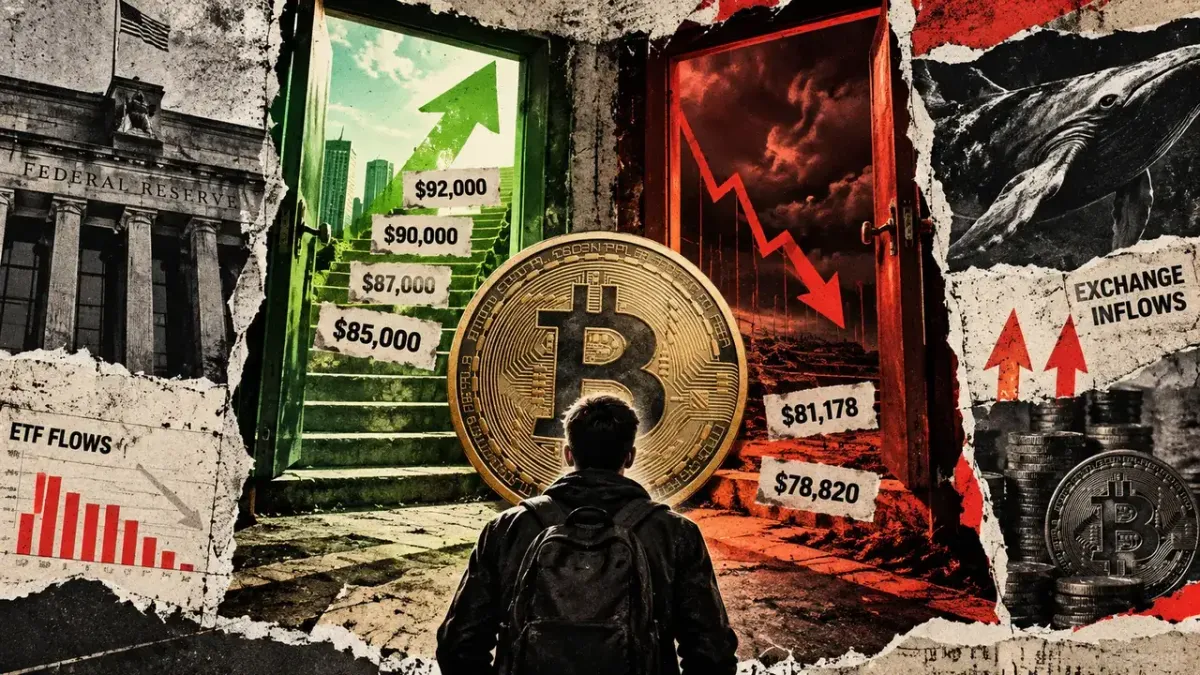
Bitcoin's weekly close above $81,000 signals potential rise to $90,000

Elon Musk's X integrates bitcoin trading options for U.S. users
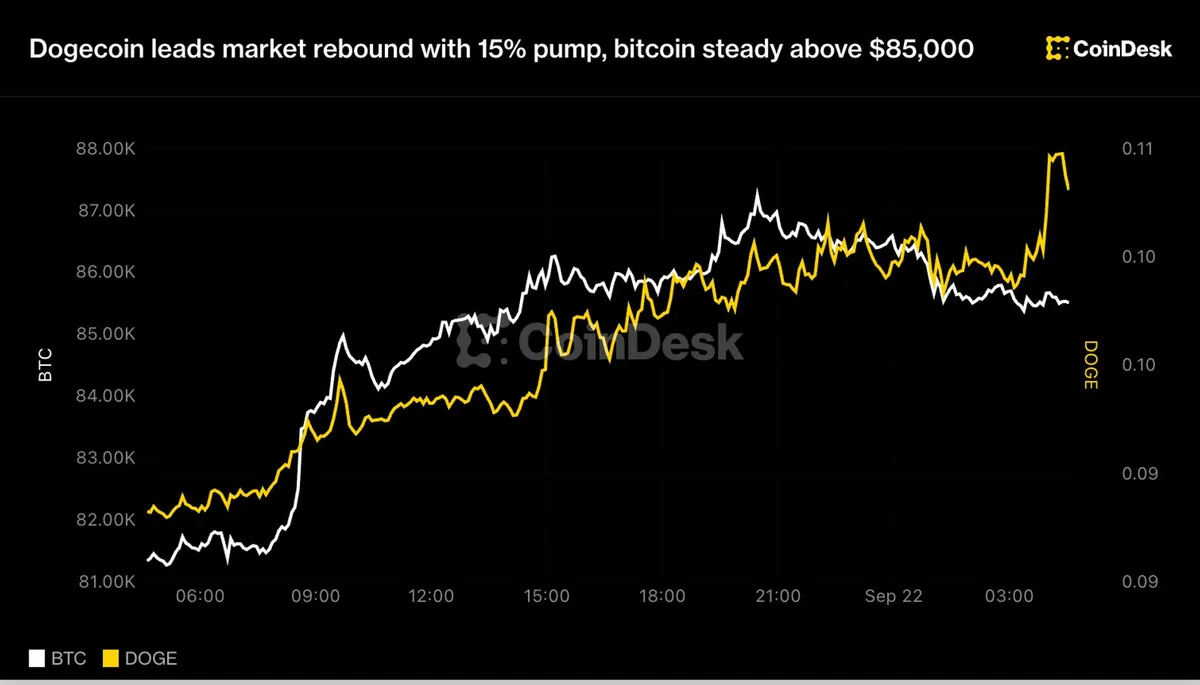
Dogecoin's 15% surge drives market recovery as bitcoin stabilizes above $85,000

Cardano adds tools for AI agent payments, joining Solana and XRP Ledger

Trueo prediction market moves from Base to Ethereum