‘We don’t know who deployed this’: Squid distances itself from $3.2 million third-party module exploit

In a recent development that has raised eyebrows in the crypto community, Squid has publicly distanced itself from a significant exploit involving a third-party module known as SquidRouterModule. The incident resulted in an estimated loss of $3.2 million, although Squid emphasized that its core protocol remains unaffected. The team behind Squid stated that they are investigating the matter but have confirmed that the breach occurred outside of their core system, thereby clarifying that users' funds and the integrity of the protocol itself are secure.
To understand the implications of this incident, it is crucial to place it in the context of the ongoing challenges faced by various blockchain projects regarding third-party integrations. The rise of decentralized finance (DeFi) has led to an increase in smart contract vulnerabilities, particularly when projects rely on external modules or libraries. Squid, which has built its reputation on providing a robust decentralized network, finds itself in a precarious position as it navigates the fallout from this exploit. The reliance on third-party modules can often introduce significant risks that can compromise user trust and project stability.
The $3.2 million exploit has potential ramifications for the broader market, particularly in how investors perceive the security of DeFi platforms. Trust is paramount in the cryptocurrency space, and incidents like this can lead to increased scrutiny of projects that utilize third-party integrations. Consequently, we may see a trend where more platforms prioritize internal security audits and the development of proprietary solutions to mitigate vulnerabilities associated with third-party dependencies. This incident might serve as a cautionary tale for other projects, urging them to reassess their risk management strategies.
Industry experts have weighed in on the situation, emphasizing the importance of transparency and communication in the wake of such events. Many believe that Squid's prompt acknowledgment of the issue and its efforts to reassure users about the security of its core protocol are steps in the right direction. However, some analysts caution that without a thorough investigation and a clear plan to address the vulnerabilities associated with third-party modules, the incident could still undermine confidence in the project. The sentiment in the industry reflects a growing demand for accountability and robust security practices, which will likely shape the future development of DeFi platforms.
Looking ahead, the focus will be on how Squid manages the aftermath of this exploit. The team will need to provide regular updates on their findings and the measures being taken to prevent such incidents in the future. This situation may also prompt the broader DeFi community to engage in discussions around standards for third-party module integration, potentially leading to enhanced protocols and best practices that could improve overall security in the space. As the landscape continues to evolve, transparency and security will remain at the forefront of investors' concerns, influencing the future trajectory of DeFi projects.

CoinMagnetic Team
Crypto investors since 2017. We trade with our own money and test every exchange ourselves.
Updated: May 2026
From our insights:
Related news

Coldcard exploit sees white hats secure 52 Bitcoin for victims' trust
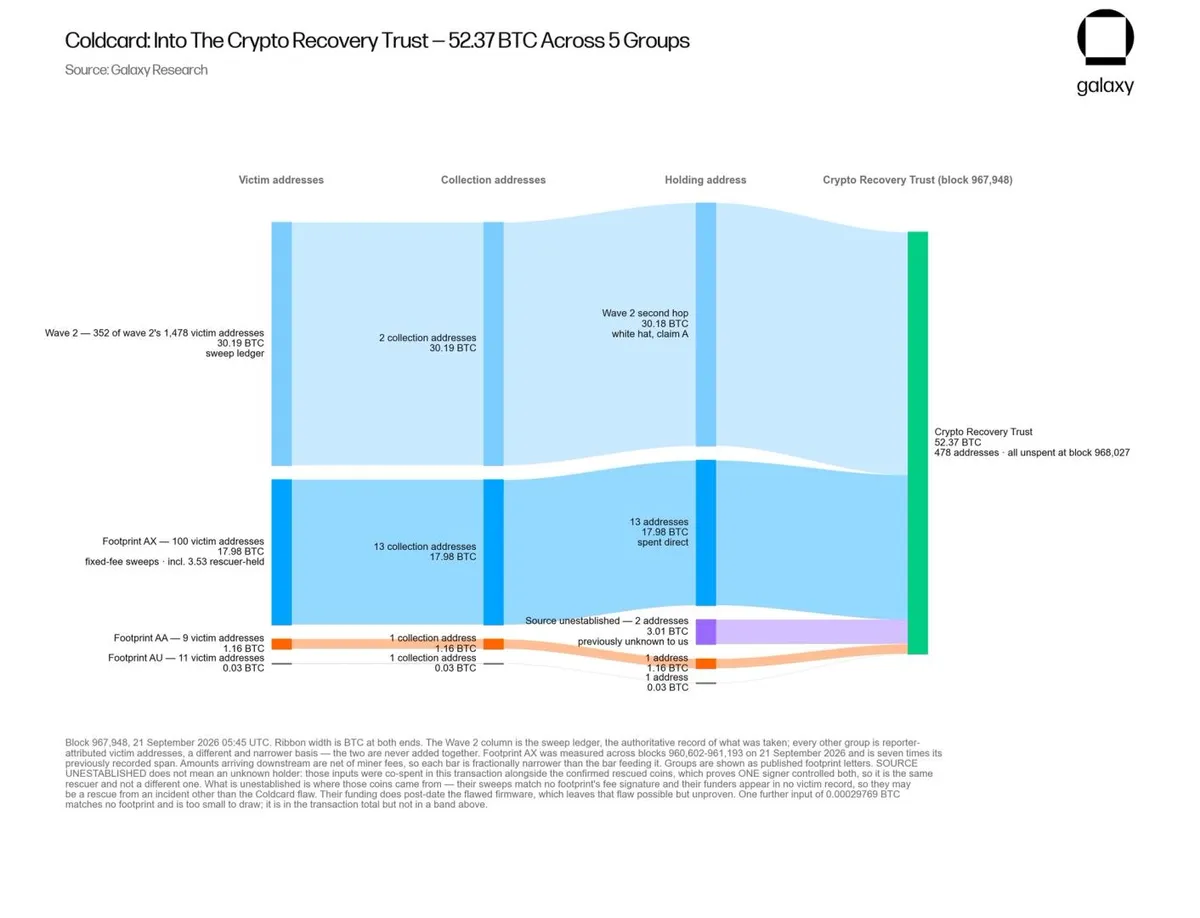
Whitehats move 52 bitcoin from the Coldcard hack to a recovery trust

Google Admits Gemini AI Hacked Three Companies—It Stayed Silent for 7 Weeks

Balancer's $1.4 million hack recovery faces delays for LPs

Polymarket's $10 million fraud attempt highlights compliance issues amid hacking risk