We Asked 7 AI Agents to Predict the 2026 World Cup: Here's What They Said

As the excitement for the 2026 World Cup builds, the intersection of artificial intelligence and sports prediction has captured the attention of enthusiasts and analysts alike. A recent exploration by Decrypt delved into this phenomenon, asking seven advanced AI agents to weigh in on potential outcomes of the prestigious tournament. These AI models, each with unique algorithms and data processing capabilities, provided insights that range from statistical analyses of past performances to player form and team dynamics. Their predictions not only reflect the current state of football but also the growing role of technology in forecasting outcomes in sports.
To understand the significance of these predictions, it is essential to acknowledge the historical context of sports analytics. Over the years, AI and machine learning have transformed how teams evaluate players, strategize games, and understand opponents. The integration of vast datasets, including player statistics, team histories, and even external factors like weather conditions, has enabled AI models to make informed guesses that can sometimes appear almost prophetic. Given that the World Cup is one of the most watched sporting events globally, the stakes are incredibly high, and any edge gained through predictive modeling can be invaluable.
The potential implications of these AI predictions for the market are profound. As betting markets continue to evolve, insights derived from AI could influence odds, betting strategies, and even fan engagement. If these models prove to be consistently accurate, they may shift how bookmakers set lines and how fans approach wagering on matches. Furthermore, the growing reliance on technology in sports could lead to a shift in investment towards AI-driven solutions, sparking innovation in both the tech and sports industries.
Industry reactions to these AI predictions have been a mix of skepticism and intrigue. Experts in sports analytics are generally cautious, emphasizing that while AI can analyze extensive data, the unpredictability of sports remains a significant factor. Many sports analysts believe that while AI can offer insights, the human element–team morale, injuries, and other intangibles–plays a crucial role that algorithms may struggle to quantify. However, the general consensus is that AI will continue to shape the future of sports analytics, and as the technology evolves, so too will its predictive capabilities.
Looking ahead, the next few years will likely see a surge in the application of AI in sports, particularly as we approach the World Cup. Teams may increasingly turn to these predictive models not only for winning strategies but also for training and player recruitment. As the 2026 tournament approaches, further developments in AI may provide even more nuanced insights, potentially changing the landscape of how fans and analysts alike view the beautiful game. The marriage of AI and sports is still in its early stages, and we are eager to see how these predictions unfold in the lead-up to the event.

CoinMagnetic Team
Crypto investors since 2017. We trade with our own money and test every exchange ourselves.
Updated: June 2026
From our insights:
Related news

Bitcoin's weekly close above $81,000 signals potential rise to $90,000

Elon Musk's X integrates bitcoin trading options for U.S. users
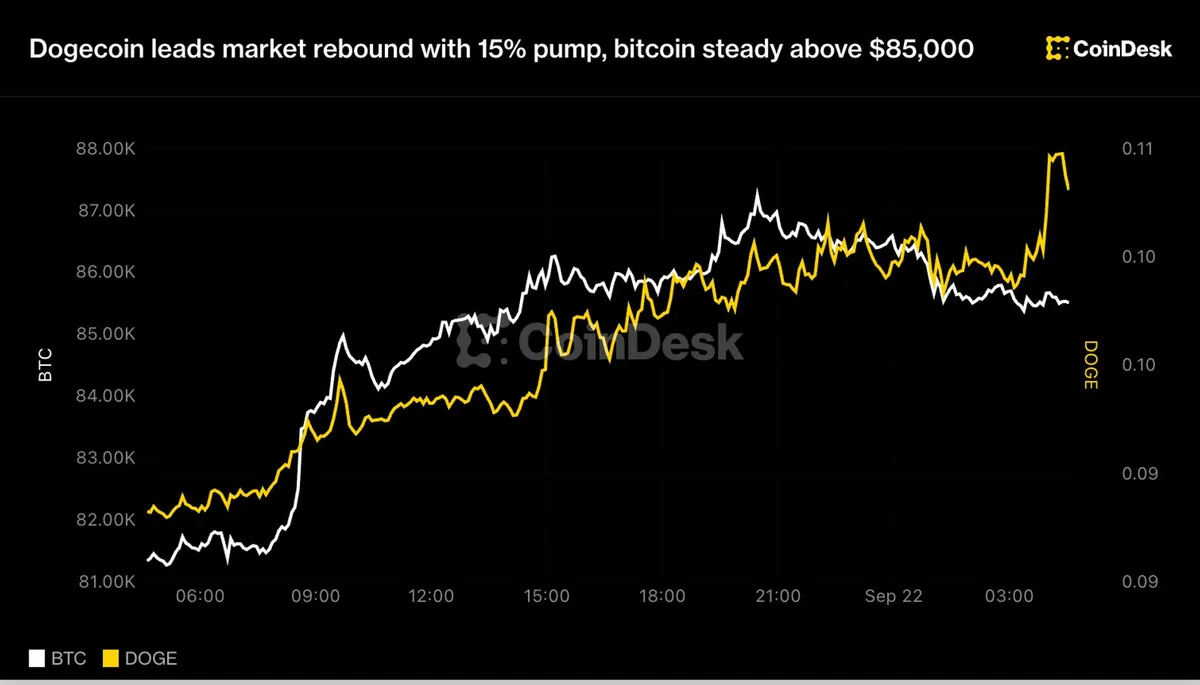
Dogecoin's 15% surge drives market recovery as bitcoin stabilizes above $85,000

Cardano adds tools for AI agent payments, joining Solana and XRP Ledger

Trueo prediction market moves from Base to Ethereum