Washington insider warns US defeat in Iran now “likely” – adding a new macro risk for Bitcoin
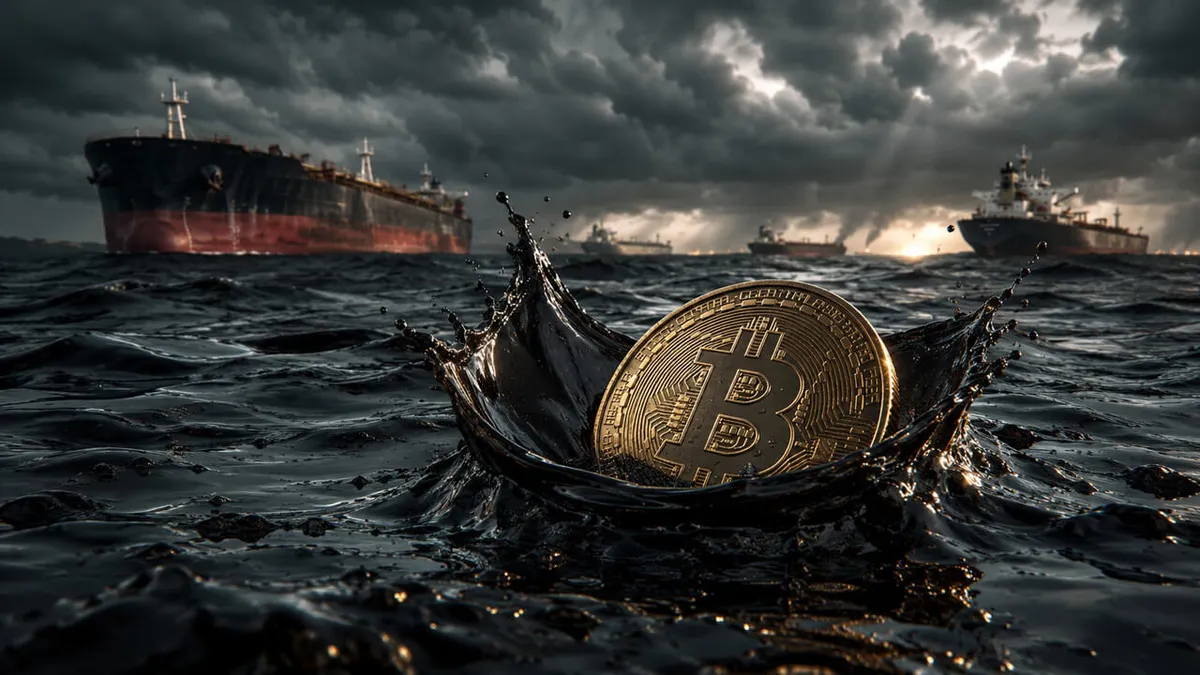
A prominent member of the Washington foreign-policy establishment has recently stated that the United States is likely facing a strategic defeat in Iran, particularly emphasizing the implications surrounding the Strait of Hormuz. This alarming forecast suggests that the geopolitical tensions in the region could escalate, contributing to a broad spectrum of macroeconomic risks. The official's remarks, which have gained traction among analysts and market observers, are now being reflected in market sentiments, as investors begin to price in these new risks. As these tensions mount, the implications for various asset classes–including Bitcoin–are becoming increasingly significant.
To understand the full context, it's essential to recognize the strategic importance of the Strait of Hormuz, which is a critical chokepoint for global oil shipments. The region has historically been a flashpoint for geopolitical conflicts, and any instability can have ripple effects on global markets. With ongoing tensions and the potential for military engagements, the situation has created a climate of uncertainty that could influence not just oil prices but also other asset classes, including cryptocurrencies. This context is vital for grasping how macroeconomic factors can directly impact the cryptocurrency market.
The potential for a US defeat in Iran introduces a new layer of risk for Bitcoin and other cryptocurrencies. Traditionally viewed as a hedge against traditional financial systems and geopolitical instability, Bitcoin's performance may be influenced by these macro developments. If investor sentiment turns negative due to escalating conflicts or economic repercussions, we may see increased volatility in Bitcoin prices. Furthermore, the perception of Bitcoin as a safe haven could either be reaffirmed or challenged, depending on how the situation evolves.
Industry reactions to this news have been mixed, with some experts cautioning that geopolitical events could lead to increased market volatility. Others argue that Bitcoin's decentralized nature may allow it to thrive in uncertain times, as investors seek alternatives to traditional fiat currencies. Notably, some analysts have pointed out that past geopolitical crises have sometimes driven interest and investment in cryptocurrencies, potentially positioning Bitcoin to benefit from any fallout.
Looking ahead, the situation in Iran will likely continue to develop, and its implications for Bitcoin and other cryptocurrencies will become clearer as events unfold. Market participants will need to stay vigilant, monitoring both geopolitical developments and their potential impact on market dynamics. As investors weigh the risks, the cryptocurrency landscape could see significant shifts in sentiment and price movements, reflecting the ongoing interplay between global events and digital assets.

CoinMagnetic Team
Crypto investors since 2017. We trade with our own money and test every exchange ourselves.
Updated: May 2026
From our insights:
Related news

CFTC issues warning on manipulation risks in prediction markets tied to mentions

Ancient wallets move $161 million in bitcoin, including 600 BTC today
CFTC Chairman Selig emphasizes need for markets to adapt to mass tokenization

Republican senator seeks investigation into presidential sons' crypto ties

OpenAI cuts prices 50% on mid-tier models as Anthropic unveils Claude Opus 5.5