Wall Street warns human-built markets can’t keep up with machine-speed trading

During the recent Consensus conference in Miami, industry experts raised significant concerns about the ability of traditional financial systems to adapt to the rapid technological advancements in trading. Panelists highlighted how the rise of tokenization and real-time trading has created a demand for a new kind of market infrastructure–one that is always-on and automated. They noted that human-built markets are increasingly struggling to keep pace with the speed and efficiency of machine-driven trading, raising questions about the sustainability of legacy systems in a digital-first environment.
The conversation at Consensus reflects a broader trend in the financial industry. As cryptocurrencies and digital assets gain traction, the market infrastructure that has long supported traditional trading is being challenged. Tokenization allows for the digitization of various assets, enabling them to be traded 24/7 on decentralized platforms. This shift is forcing legacy institutions to rethink their operations and adapt to a landscape where speed and automation are not just advantages but necessities. The increasing reliance on algorithms and high-frequency trading has also underscored the limitations of human intervention in these processes.
This shift matters significantly for the market. As more institutions explore the opportunities presented by blockchain and digital assets, the pressure mounts on traditional exchanges and financial systems to evolve. The inability to keep pace could lead to inefficiencies, lost trading opportunities, and a potential decline in market competitiveness. Investors are likely to demand platforms that can offer real-time data, quick execution, and seamless transactions, making it imperative for legacy systems to innovate or risk becoming obsolete.
Experts on the panel expressed a mix of caution and optimism. Some highlighted the importance of collaboration between traditional finance and fintech innovators to create a more robust market structure. Others pointed out the potential risks associated with an over-reliance on algorithmic trading, including market volatility and systemic risks. This sentiment echoes broader discussions in the financial community about the balance between speed and stability in trading environments, emphasizing the need for robust regulatory frameworks to manage these emerging challenges.
Looking ahead, it is clear that the evolution of market infrastructure is not just a trend but a necessity. As the demand for automated, always-on trading solutions grows, we can expect to see more partnerships between traditional financial institutions and technology providers. This collaboration could lead to the development of hybrid systems that incorporate the best of both worlds, marrying human oversight with machine efficiency. The future of trading will likely hinge on how well these sectors can adapt to the changing landscape, ensuring that they not only survive but thrive in an increasingly digital economy.

CoinMagnetic Team
Crypto investors since 2017. We trade with our own money and test every exchange ourselves.
Updated: May 2026
From our insights:
Related news
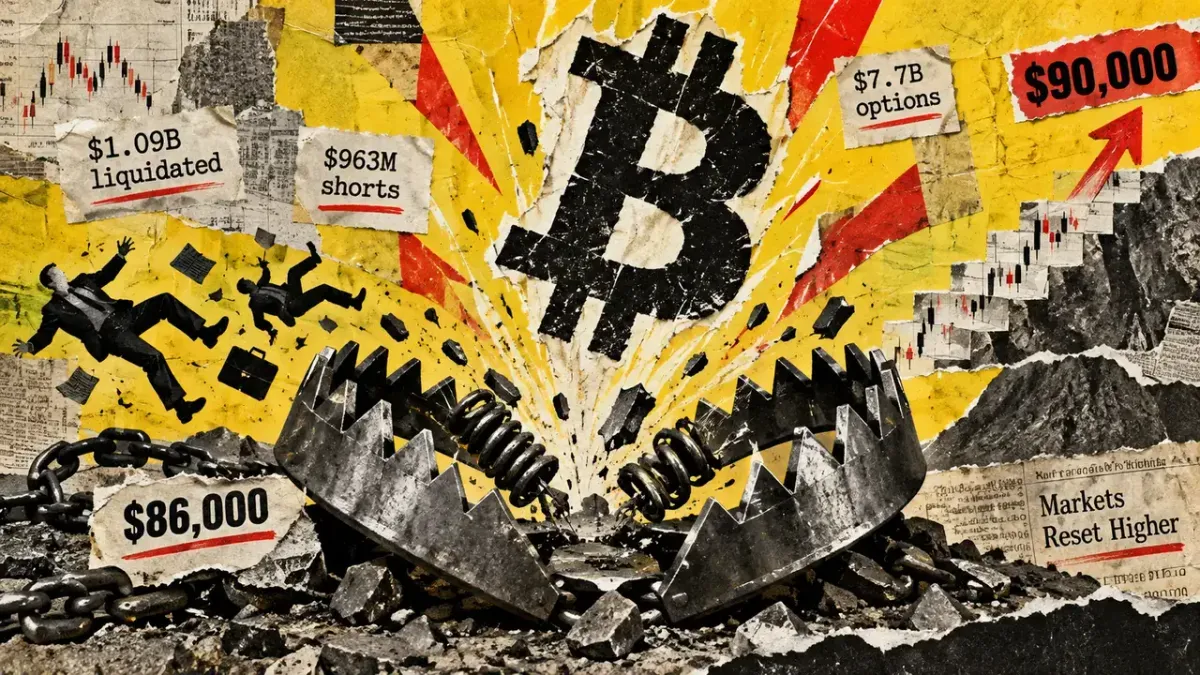
Bitcoin surges past $86,000 as $1 billion in shorts are liquidated, eyes on $90,000
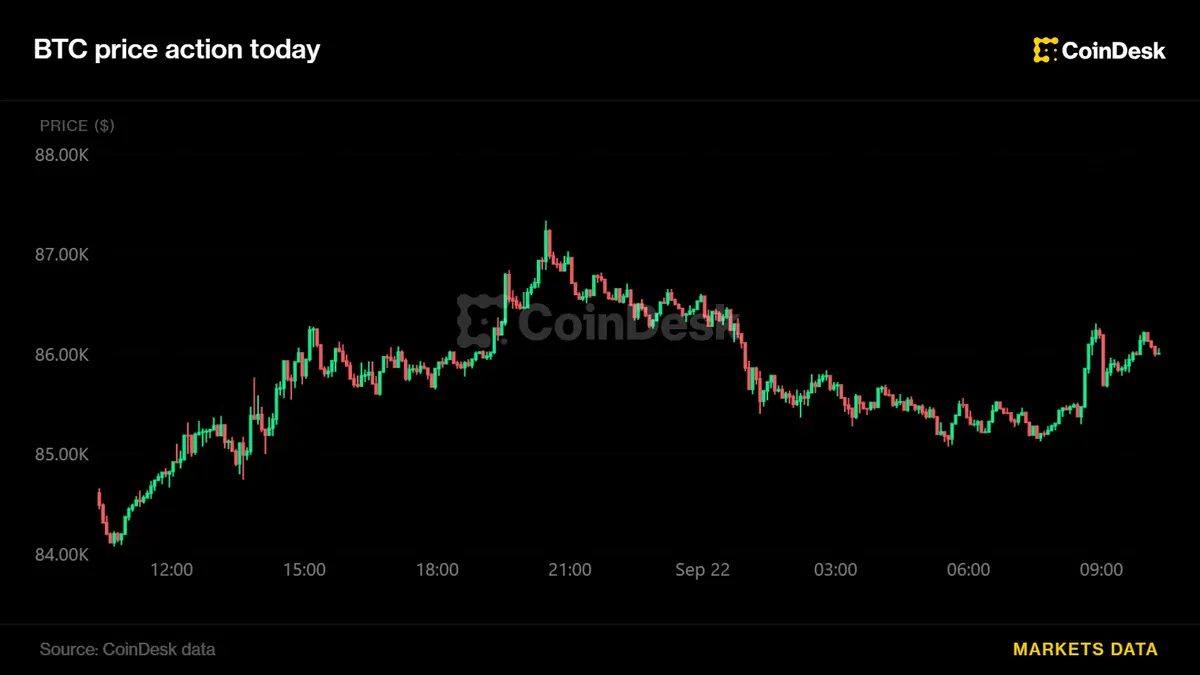
Bitcoin bounces back to $86,000 as oil prices decline and stocks rise

Prediction markets projected to reach $10 trillion by 2035, surpassing sports
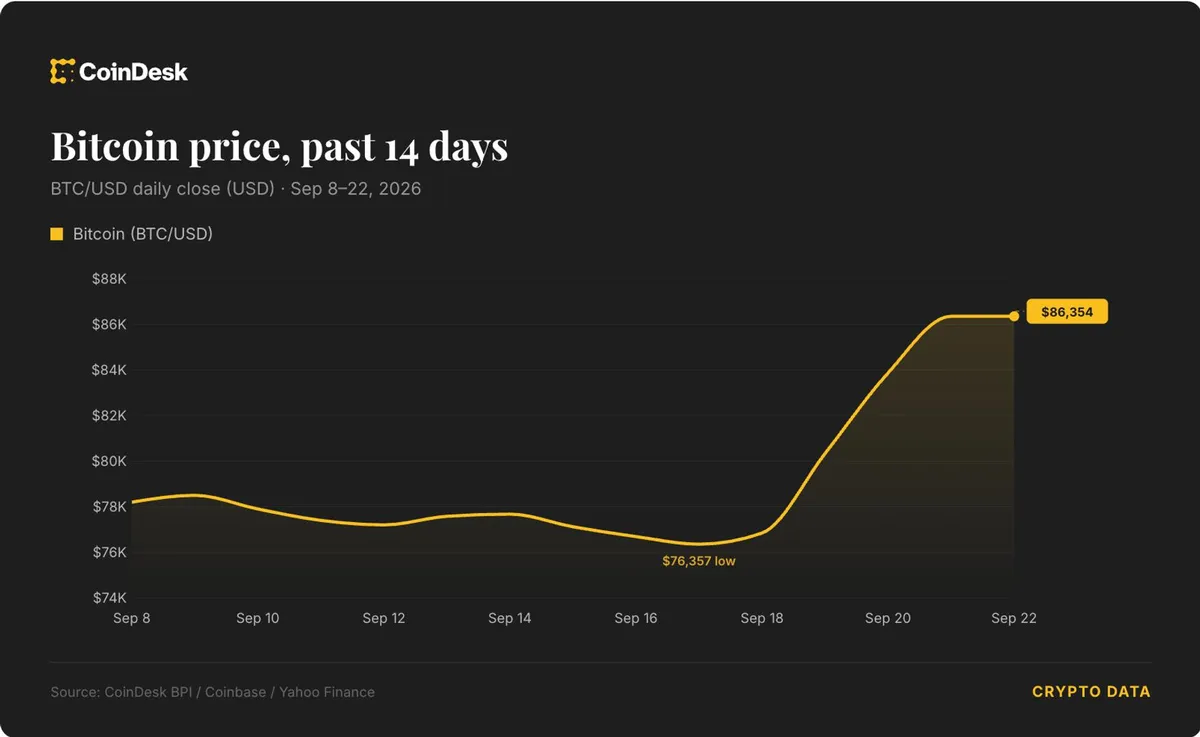
Iran hints at reopening Strait of Hormuz, WTI oil drops to $89
New altseason signal emerges as Bitcoin market cap stays under 60%