Wall Street's IPO revival hasn't reached dot-com euphoria levels, Goldman Sachs says

The landscape of U.S. initial public offerings (IPOs) has seen a significant uptick in activity during 2026, as indicated in a recent report from Goldman Sachs. While the resurgence in IPO issuance is notable, the bank emphasizes that this revival does not mirror the speculative frenzy that characterized the dot-com boom of the late 1990s and early 2000s. According to Goldman Sachs, the current market is marked by a more measured approach to public offerings, with fewer companies pursuing extreme valuations and a more cautious investor sentiment.
To understand the current state of IPOs, it is essential to consider the historical context. The dot-com era was characterized by an explosive growth in internet-based companies, leading to inflated valuations and a surge of speculative investments. Many firms went public with little more than a business plan and a website, resulting in a bubble that eventually burst. In stark contrast, the current IPO market shows a more disciplined environment, where companies are focusing on sustainable growth rather than enticing investors with unrealistic projections. This shift reflects a broader change in market dynamics and investor behavior since the lessons learned from the dot-com crash.
The implications of this current IPO landscape are significant for the broader market. With a revival in IPO activity, there is a potential for renewed confidence in the equity markets. However, Goldman Sachs points out that the absence of speculative excess indicates a healthier market environment, which could lead to more stable long-term growth. Investors may be more likely to engage in thorough due diligence, leading to more sustainable investment strategies and a decrease in volatility typically associated with speculative bubbles.
Industry reactions to this report have been mixed, with some analysts welcoming the cautious tone of the current IPO environment. Experts note that a more disciplined approach to going public could foster a more robust investment ecosystem. Others, however, express concern that the lack of speculative enthusiasm may limit the potential for rapid wealth creation that often accompanies a more vibrant IPO market. Overall, the consensus appears to lean towards optimism for a more stable market, albeit with a more measured pace of growth.
Looking ahead, the trajectory of the IPO market will be closely monitored by investors and analysts alike. As we move further into 2026, it will be interesting to see whether the current trend continues or if market conditions evolve in a way that could lead to a resurgence of the speculative tendencies reminiscent of the dot-com era. Companies planning to go public will likely be influenced by these dynamics, and their strategies will reflect the lessons learned from past market cycles.

CoinMagnetic Team
Crypto investors since 2017. We trade with our own money and test every exchange ourselves.
Updated: June 2026
From our insights:
Related news

US plans to leverage stablecoins to enhance dollar dominance globally
Ondo launches onchain portfolio tokens based on BlackRock-developed strategies
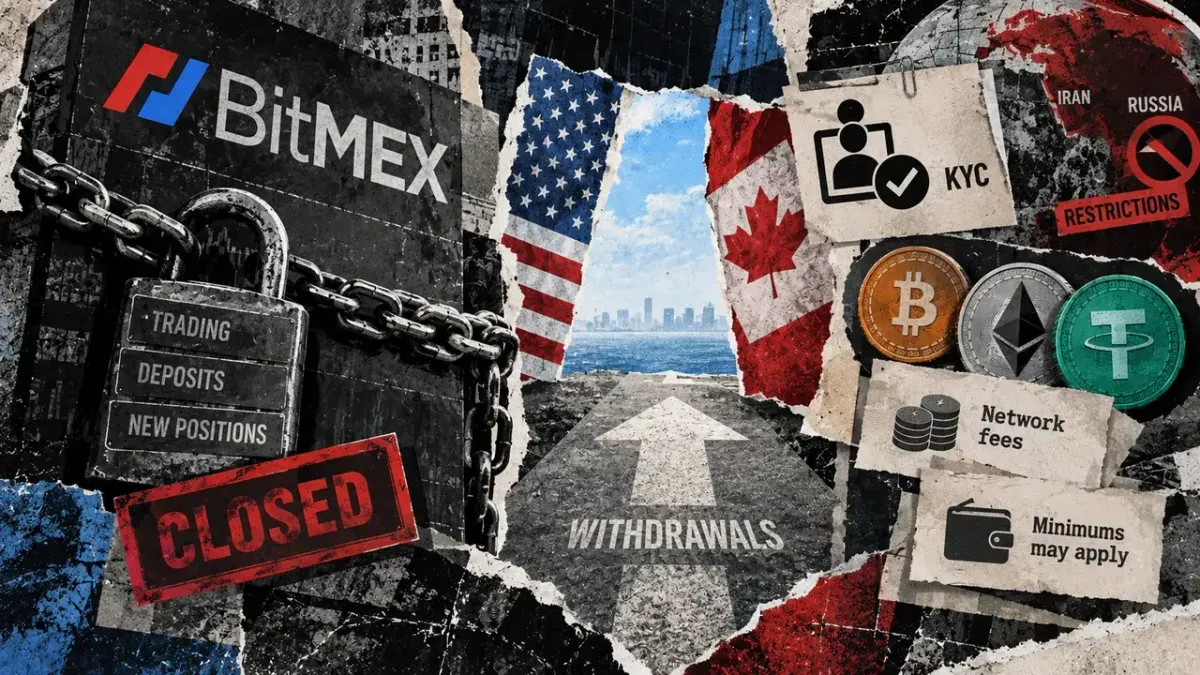
BitMEX allows previously barred customers to recover funds after policy change

BlackRock identifies $5 trillion AI-driven demand for stablecoins

Bitcoin's $80,000 breakout sparks institutional interest amid ETF inflows