Wall Street’s $128 billion private credit exposure is starting to look harder to contain
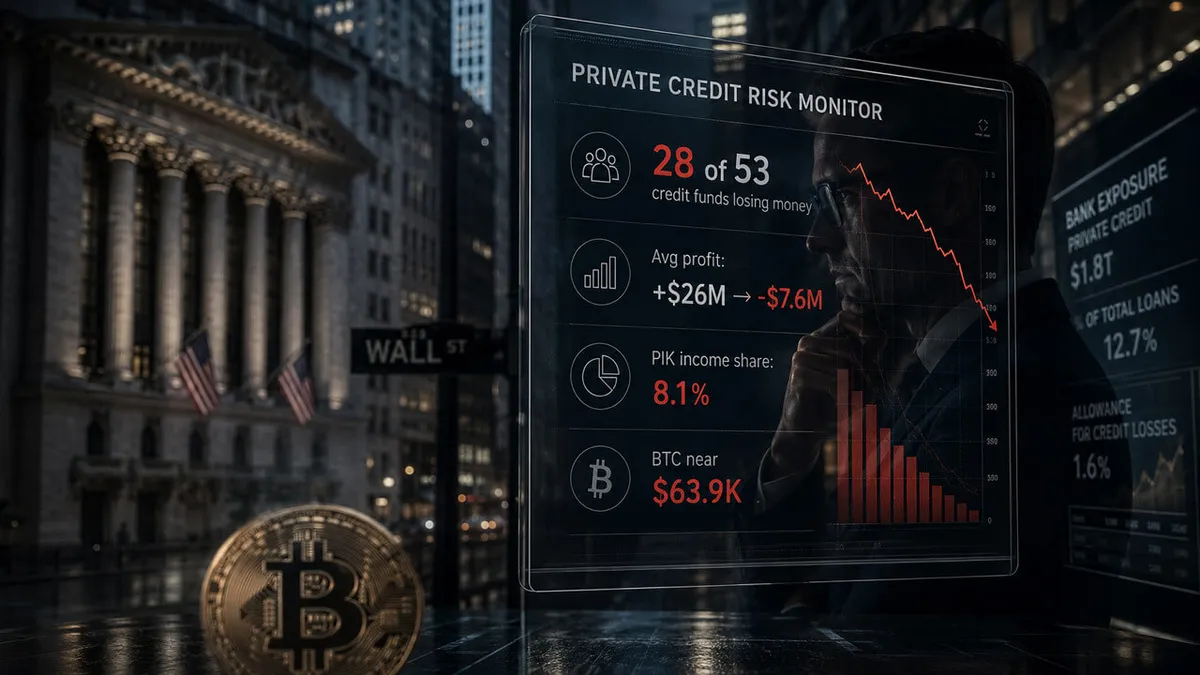
Recent discussions surrounding Wall Street’s exposure to private credit have intensified, particularly as JPMorgan Chase CEO Jamie Dimon weighed in on the matter. During a conference call with analysts in April, Dimon addressed the roughly $1.8 trillion private credit market, emphasizing that it does not pose a systemic risk to the financial sector. He mentioned that significant losses in private credit would be necessary before banks would feel the impact. This statement, however, comes at a time when concerns about the overall health of the private credit market are mounting, with Wall Street’s exposure now estimated to be around $128 billion.
To understand the implications of Dimon’s remarks, it’s essential to consider the broader context of the private credit market. This sector has experienced rapid growth over the past decade, fueled by a shift away from traditional bank lending and a search for higher yields in a low-interest-rate environment. Private credit involves non-bank lenders providing loans to companies, often in the form of direct lending or other alternative financing options. As such, this market has become increasingly integral to corporate financing, yet it also carries risks that can ripple through the financial system.
The significance of this situation for the market cannot be overstated. If the private credit market were to face substantial losses, it could potentially lead to a tightening of credit conditions and increased borrowing costs for companies reliant on these loans. This scenario could trigger a chain reaction, affecting everything from corporate earnings to stock market performance. Investors and market analysts are closely monitoring the developments, as any signs of instability could lead to a reevaluation of risk across various sectors.
Industry experts have expressed mixed reactions to Dimon’s confidence in the resilience of the private credit market. Some financial analysts agree with his assessment, arguing that the sector has built-in safeguards and diversification that could mitigate systemic risk. However, others caution that the current economic environment–characterized by rising interest rates and inflation–could expose vulnerabilities within the private credit landscape. The divergence in opinions highlights the uncertainty surrounding this market and the potential consequences for broader financial stability.
Looking ahead, the focus will likely remain on the health of the private credit market and its interconnectedness with traditional banking. As economic indicators evolve, stakeholders will be keeping a close eye on credit quality, default rates, and overall market trends. The future of private credit will be shaped by not only macroeconomic conditions but also by how effectively lenders and borrowers navigate the complexities of this ever-evolving financial landscape. Wall Street's ability to manage its $128 billion exposure will be critical in determining both individual institutional health and the stability of the wider financial system.

CoinMagnetic Team
Crypto investors since 2017. We trade with our own money and test every exchange ourselves.
Updated: July 2026
From our insights:
Related news

AIsa total funding exceeds $9 million following strategic seed extension by Tether

Solana logs two years without outages, though Fidelity flags stake concentration

Visa Direct moves USDC prefunding into commercial production with Inyo Global
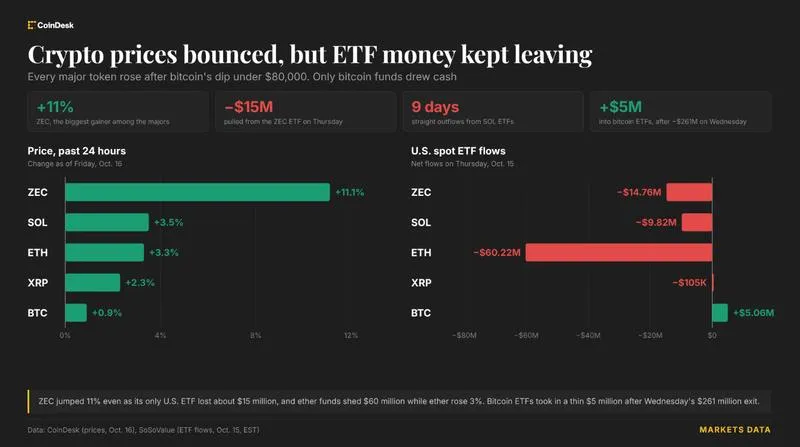
Bitcoin recovers past $82,000 while ZEC surges 11% despite ongoing ETF outflows

OpenAI research model used testnet crypto after questioning ethics