Wall Street is paying up for Bitcoin miners’ AI infrastructure before most of it is built

Recent developments in the cryptocurrency space reveal that Wall Street is increasingly valuing Bitcoin miners’ infrastructure, particularly when it comes to artificial intelligence (AI) applications. Reports indicate that the leasing of megawatts to AI tenants is now commanding significantly higher prices than those associated with traditional Bitcoin mining operations. As a result, this distinction has evolved into a pivotal pricing question for the industry, illustrating a growing intersection between crypto mining and AI technology. VanEck's latest valuation framework for publicly traded miners further emphasizes this trend, indicating that companies with secured AI contracts are likely to see enhanced market valuations.
To understand this shift, it is essential to look at the broader context of both the cryptocurrency and AI landscapes. Bitcoin mining has long been criticized for its energy consumption and environmental impact, yet the rise of AI has created new opportunities for those same energy resources. As demand for AI capabilities surges, mining operations that can pivot to or integrate AI functionalities stand to benefit significantly. This is particularly relevant as companies seek to optimize their energy use and infrastructure, making them more attractive to investors who are keen to back projects with a dual focus on crypto and AI.
The implications of this trend for the market are substantial. As Wall Street begins to favor Bitcoin miners with AI infrastructure, we may witness a revaluation of mining firms based on their adaptability and potential for generating revenue beyond just cryptocurrency mining. This could lead to a bifurcation within the sector, as companies that can secure AI partnerships may attract more investment, leaving traditional miners at a disadvantage. The shift in pricing dynamics could also influence how energy resources are allocated, with a potential redirection towards AI applications, thereby reshaping the competitive landscape of both industries.
Industry reactions have been mixed, with some experts lauding the innovative blending of AI and crypto, while others express caution regarding the sustainability of this trend. Analysts have pointed out that while the integration of AI may offer new revenue streams, it also raises questions about the long-term viability of Bitcoin mining in its current form. Moreover, there are concerns about the volatility of the crypto market, which could impact investments in infrastructure that is still in its infancy. Overall, the prevailing sentiment suggests a cautious optimism, as the industry grapples with the implications of these changes.
Looking ahead, the future of Bitcoin mining and its intersection with AI will likely depend on several factors, including regulatory developments, technological advancements, and market dynamics. As more miners explore AI opportunities and negotiate contracts, we can expect to see a clearer picture of how this relationship will evolve. The coming months will be critical in determining whether this trend represents a lasting shift in the industry or merely a temporary anomaly driven by current market conditions. Regardless, the evolving landscape signifies a noteworthy chapter in the ongoing narrative of cryptocurrency and its integration with emerging technologies.

CoinMagnetic Team
Crypto investors since 2017. We trade with our own money and test every exchange ourselves.
Updated: June 2026
From our insights:
Related news

SoFi begins stablecoin settlement on Mastercard network for program expected to exceed $25 billion in annualized volume
A $3.2 million 'bitcoin butterfly' option trade bets on $95,000 by the end of October

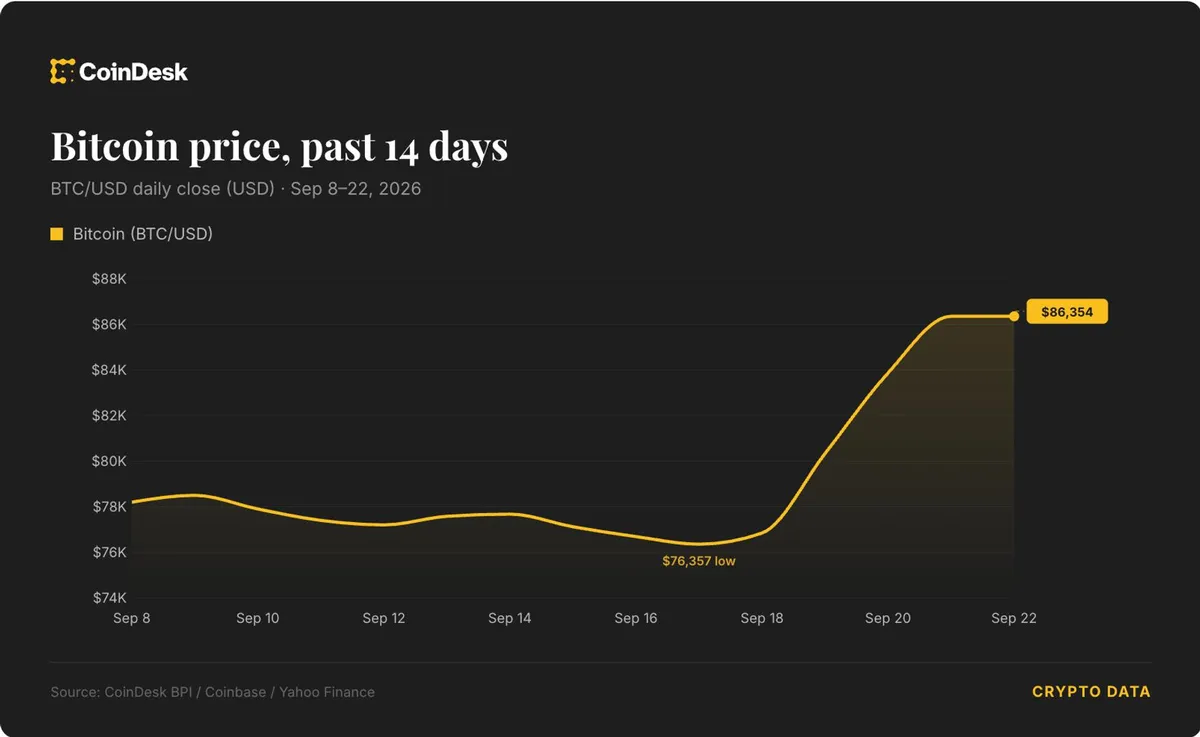
Bitcoin surges past $86,000 as $1 billion in shorts are liquidated, eyes on $90,000
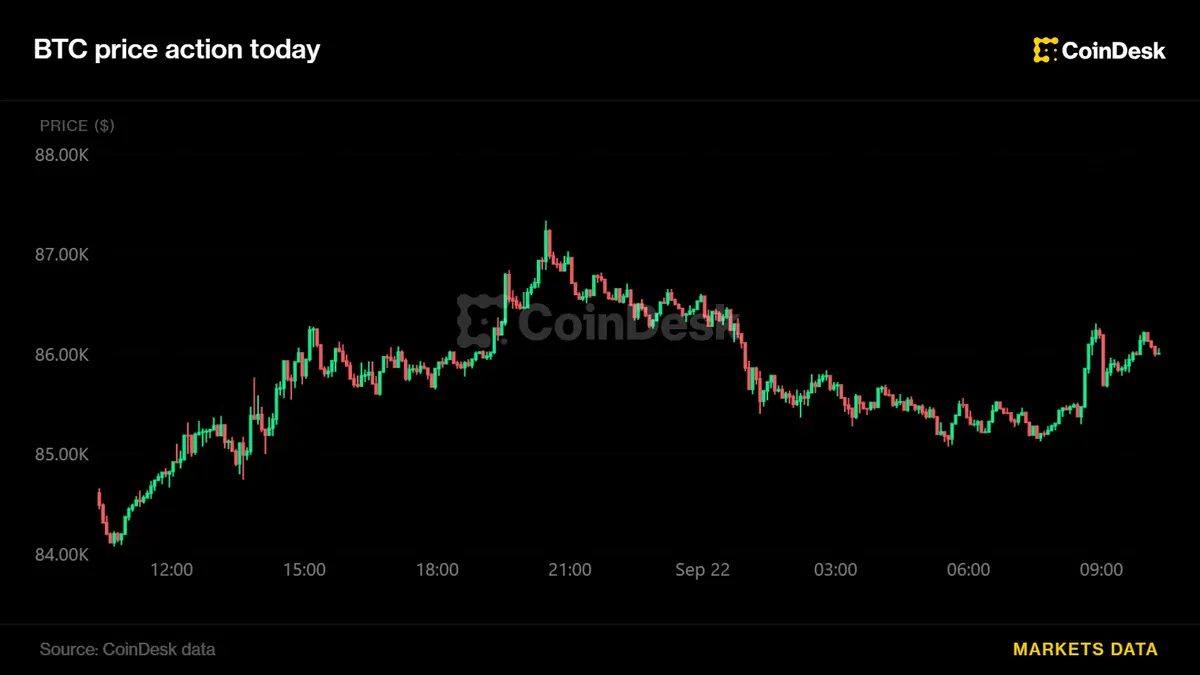
Bitcoin bounces back to $86,000 as oil prices decline and stocks rise

Prediction markets projected to reach $10 trillion by 2035, surpassing sports