Wall Street is moving past crypto pilots and deeper into Ethereum, says Etherealize founder

In a recent interview with CoinDesk, Vivek Raman, cofounder of Etherealize, shed light on Wall Street's evolving relationship with the cryptocurrency market, particularly Ethereum. Raman highlighted that Ethereum is currently undergoing a significant transition, moving beyond mere pilot projects and into deeper adoption within traditional financial systems. He pointed out that while the foundational infrastructure for Ethereum has largely been established, the level of adoption in the broader market has not yet been fully mirrored in the value of ETH itself. This suggests a crucial moment for Ethereum as it seeks to solidify its position in the financial ecosystem.
To understand this shift, it's essential to look back at Ethereum's journey over the past few years. Initially hailed for its smart contract capabilities, Ethereum has been at the forefront of numerous innovations, including decentralized finance (DeFi) and non-fungible tokens (NFTs). Despite these advancements, the actual integration of Ethereum into mainstream finance has taken time. As institutions grappled with regulatory uncertainties and technological challenges, the adoption rate varied. However, Raman's insights indicate that these barriers are beginning to dissolve, and Wall Street seems more willing to engage with Ethereum on a deeper level.
The implications of this shift are significant for the market. As institutional players increasingly recognize the potential of Ethereum, we may witness a surge in demand for ETH. This could lead to enhanced liquidity and potentially drive up prices. The growing acceptance of Ethereum by major financial institutions could also signal a broader trend towards embracing cryptocurrencies as legitimate assets. If Wall Street's appetite for Ethereum continues to grow, it might pave the way for more innovative financial products centered around this blockchain platform, further entrenching its role in the global financial system.
Industry reactions to Raman's comments have been largely positive, with many experts echoing his sentiments about Ethereum's potential. Analysts suggest that as more financial institutions start to utilize Ethereum's capabilities, it could catalyze a new wave of investment in the Ethereum ecosystem. Some industry leaders believe that this transition could usher in a period of stability for ETH, as institutional backing may provide a solid foundation for long-term growth. However, there are still skeptics who caution that without substantial regulatory clarity, the road ahead could be bumpy.
Looking ahead, it will be interesting to see how Wall Street's deeper engagement with Ethereum unfolds. As more firms begin to explore Ethereum's infrastructure, including scalability solutions like Ethereum 2.0 and layer-2 protocols, we may witness an acceleration of adoption. In this transitional phase, it will be crucial for developers and stakeholders to address existing challenges while fostering an environment conducive to growth. If these developments align with increasing institutional interest, Ethereum may very well solidify its status as a cornerstone of the future financial landscape.

CoinMagnetic Team
Crypto investors since 2017. We trade with our own money and test every exchange ourselves.
Updated: June 2026
From our insights:
Related news
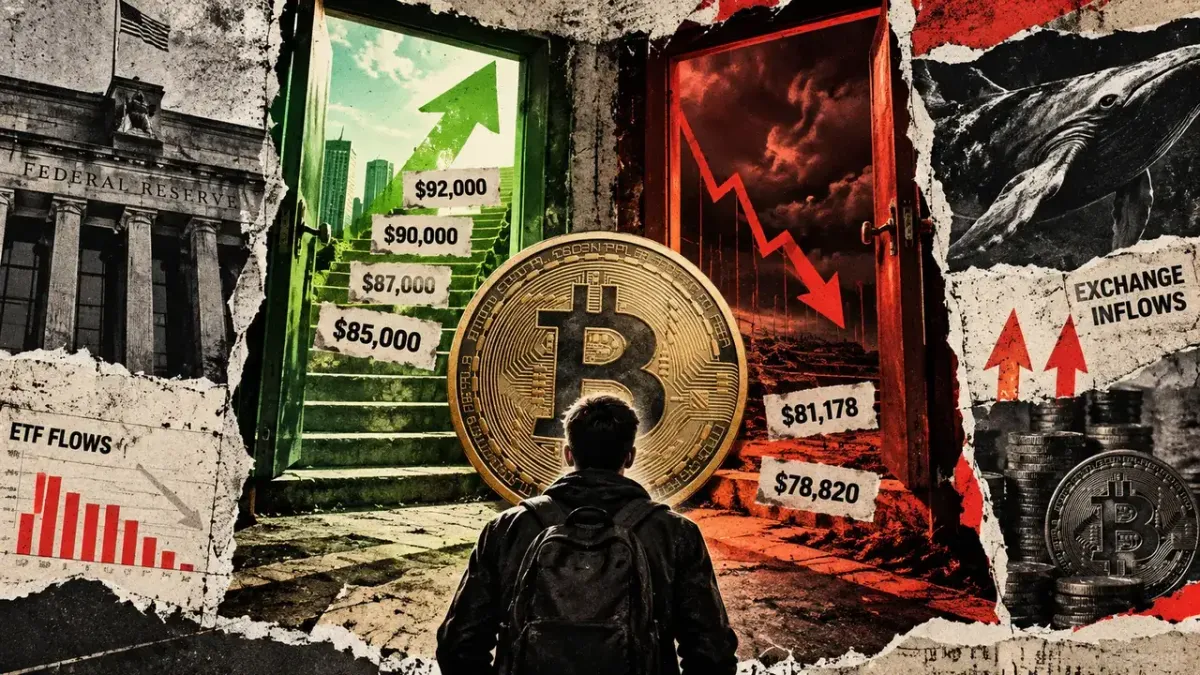
Bitcoin's weekly close above $81,000 signals potential rise to $90,000
Elon Musk's X integrates bitcoin trading options for U.S. users
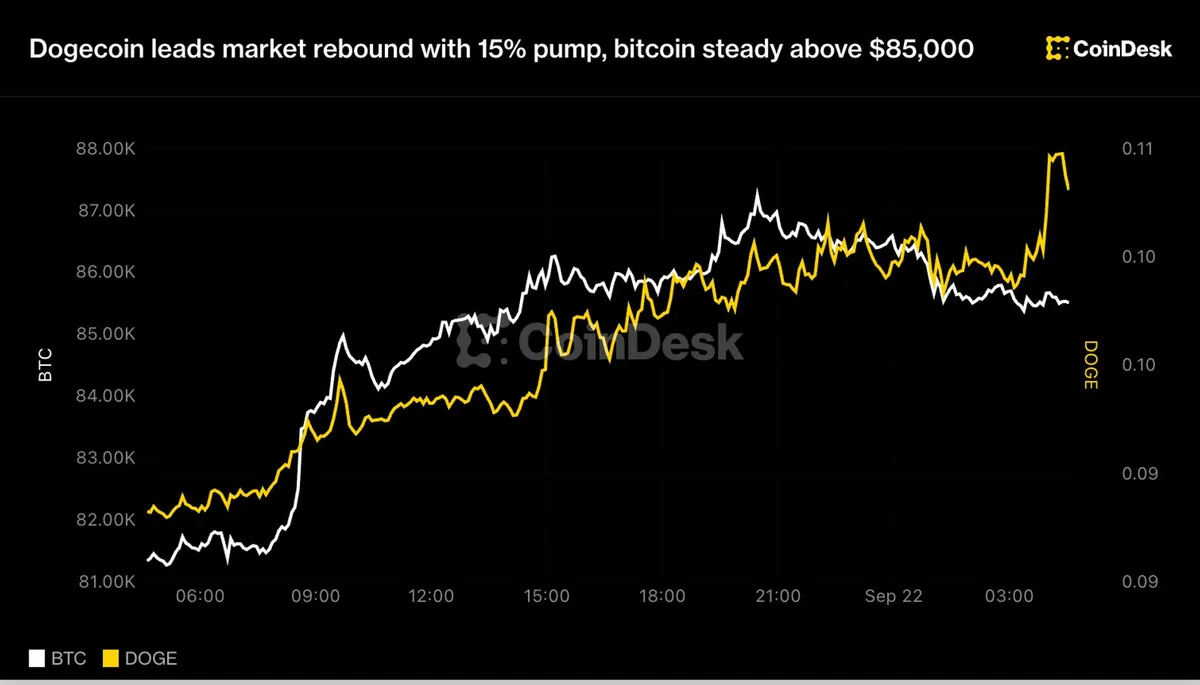
Dogecoin's 15% surge drives market recovery as bitcoin stabilizes above $85,000

Cardano adds tools for AI agent payments, joining Solana and XRP Ledger

Trueo prediction market moves from Base to Ethereum