Wall Street and crypto are crashing into each other as tokenized treasury markets hit $14.6 billion

The news of tokenized treasury markets reaching a remarkable $14.6 billion is stirring significant interest in the crypto landscape, particularly as it coincides with a notable decline in centralized exchange trading volumes. As reported, these volumes have decreased by over 11%, totaling $4.61 trillion–marking the lowest figure since late 2024. This juxtaposition highlights a crucial moment for the cryptocurrency market, where traditional finance intersects with digital assets in ways that could reshape trading dynamics and investor behavior.
To understand this development, we must consider the broader context in which these changes are occurring. The financial landscape has been rapidly evolving over the past few years, with an increasing focus on tokenization–a process that allows a variety of assets, including treasury bills, to be represented on blockchain systems. This innovation has garnered attention from both institutional and retail investors, as they seek more efficient, transparent, and accessible ways to trade treasury instruments. The downturn in centralized exchange activity suggests a shift in trading practices, possibly driven by the growing allure of decentralized finance (DeFi) and tokenized assets.
The implications of this shift for the market are profound. As trading volumes on centralized exchanges decline, it may signal a fundamental change in investor preferences, with many turning to tokenized assets that offer greater liquidity and lower barriers to entry. The rise of these markets could also lead to increased competition for traditional financial institutions, as they may find themselves needing to adapt to the changing landscape or risk losing market share to more agile, tech-driven competitors. As investors explore the potential of tokenized treasury markets, this could catalyze further innovation and adoption of blockchain technology across various sectors.
Industry reaction has been mixed, with some experts expressing optimism about the growth of tokenized assets and their potential to democratize access to financial markets. Others, however, caution that the decline in centralized exchange volumes might indicate a loss of confidence in these platforms, especially in light of ongoing regulatory scrutiny and security concerns. As the market grapples with these transitions, the perspectives of both proponents and skeptics will play a crucial role in shaping the conversation around the future of crypto trading and tokenized assets.
Looking ahead, we may see continued volatility as the market adjusts to these new realities. With the growth of tokenized treasury markets, it is likely that more financial institutions will experiment with blockchain technology to enhance their offerings and compete effectively. As regulatory frameworks evolve and investor sentiment shifts, the interaction between traditional finance and cryptocurrency will remain a focal point for both market participants and observers. The coming months will be critical in determining how these trends will influence the broader financial ecosystem.

CoinMagnetic Team
Crypto investors since 2017. We trade with our own money and test every exchange ourselves.
Updated: June 2026
From our insights:
Related news
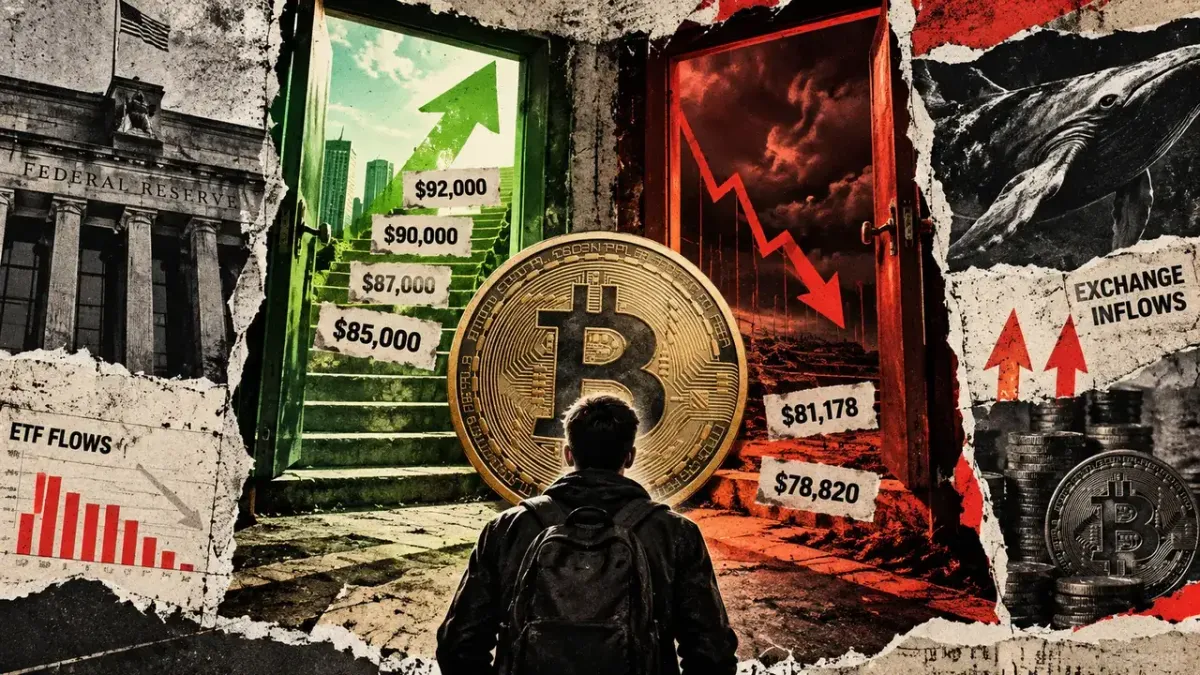
Bitcoin's weekly close above $81,000 signals potential rise to $90,000

Elon Musk's X integrates bitcoin trading options for U.S. users
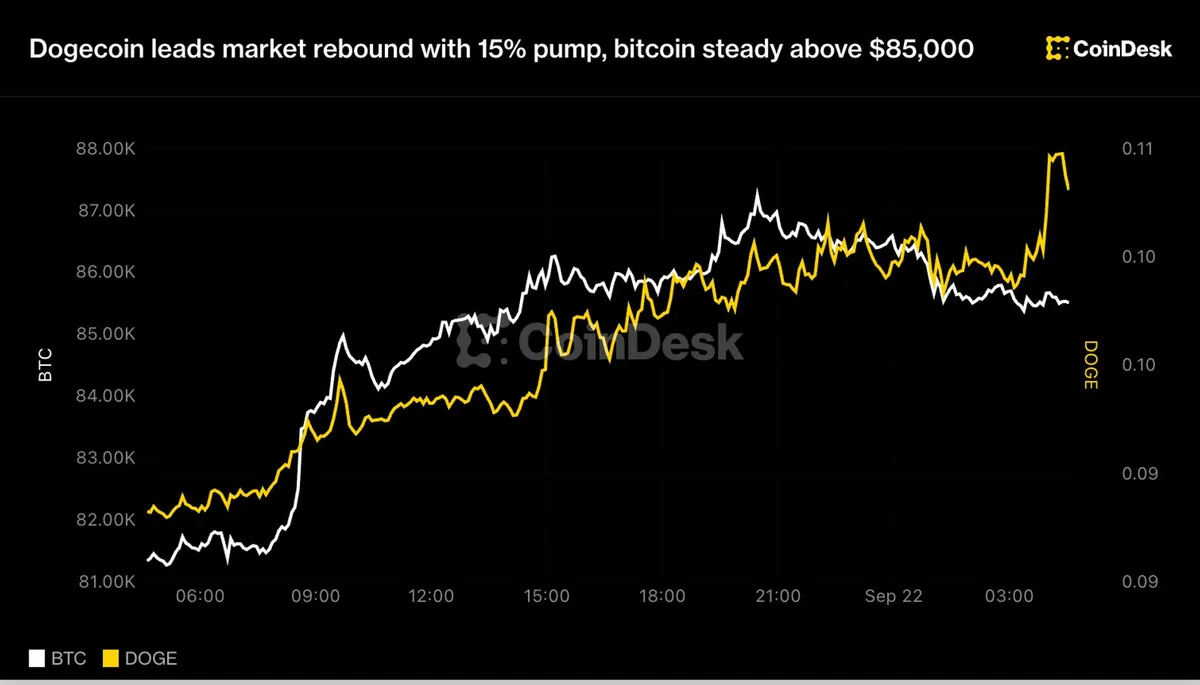
Dogecoin's 15% surge drives market recovery as bitcoin stabilizes above $85,000

Cardano adds tools for AI agent payments, joining Solana and XRP Ledger

Trueo prediction market moves from Base to Ethereum