Vitalik wants DeFi price crashes to stop triggering automatic liquidations

Vitalik Buterin, co-founder of Ethereum, has sparked a crucial discussion in the decentralized finance (DeFi) sector by challenging the traditional mechanism of automatic liquidations. This process, which typically closes a user’s debt-backed position when their collateral value dips below a predetermined threshold, has been a cornerstone safety feature in DeFi lending protocols. In his recent post on Ethereum Research dated June 1, Buterin proposed an innovative approach that involves creating synthetic, index-tracking assets built on options, which would eliminate the need for collateralized debt in the base design. His suggestions could fundamentally alter how risk is managed in DeFi, potentially leading to a more resilient ecosystem.
The concept of automatic liquidations has been integral to DeFi since its inception, designed to safeguard lenders against defaults and ensure the stability of the entire financial system. However, these automatic mechanisms have come under fire, especially during periods of high market volatility when rapid price drops can trigger mass liquidations, leading to devastating losses for users. Buterin's proposal is not just a critique of the current system; it represents a shift towards rethinking risk management in the crypto space, aiming to create a framework that can withstand market fluctuations more gracefully.
This discussion is particularly significant given the ongoing volatility seen in cryptocurrency markets. With recent price swings causing cascading liquidations across various platforms, Buterin's ideas could offer a pathway to mitigate such events. If implemented, these synthetic assets might reduce the likelihood of forced liquidations and improve the overall user experience by providing a safety net during downturns. This shift could lead to greater confidence among investors and users, potentially attracting a broader audience to DeFi products.
Industry reactions to Buterin's proposals have been mixed. Some experts applaud the initiative, citing the need for innovation in risk management as a necessary evolution of DeFi, while others express skepticism about the practical implications of such a fundamental change. Critics argue that removing collateralized debt from the equation might expose lenders to higher risk, potentially undermining the trust that has been built in DeFi lending protocols. Nonetheless, the conversation around this topic has reignited interest in improving the mechanisms that govern DeFi, highlighting a collective desire for a more robust framework.
As we look ahead, the implications of Buterin’s suggestions could lead to significant developments in the DeFi landscape. If the community embraces this shift and begins to experiment with synthetic assets and alternative risk management strategies, we might witness a transformative period for decentralized finance. Future discussions may focus on how to best implement these ideas while balancing the safety of lenders and the needs of borrowers, making it a critical space to watch in the coming months.

CoinMagnetic Team
Crypto investors since 2017. We trade with our own money and test every exchange ourselves.
Updated: June 2026
From our insights:
Related news

Bitcoin's weekly close above $81,000 signals potential rise to $90,000

Elon Musk's X integrates bitcoin trading options for U.S. users
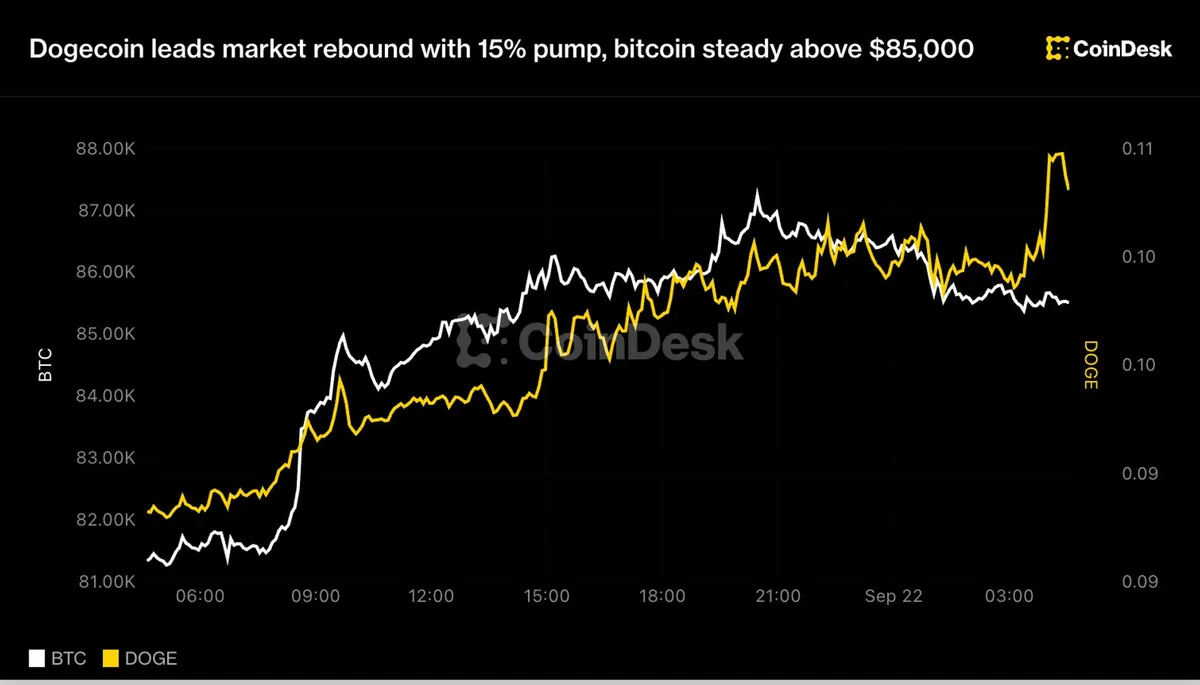
Dogecoin's 15% surge drives market recovery as bitcoin stabilizes above $85,000

Cardano adds tools for AI agent payments, joining Solana and XRP Ledger

Trueo prediction market moves from Base to Ethereum