Vitalik’s smaller Ethereum Foundation tests ETH holders’ demand for execution

In a recent development that has stirred conversations within the Ethereum community, Vitalik Buterin, the co-founder of Ethereum, has shared his vision for the Ethereum Foundation (EF). He advocates for a leaner, more opinionated foundation that steps back from its central role in steering the future of Ethereum. This statement comes in the wake of significant changes within the EF, including the departure of at least nine senior members in 2026–a move that has raised eyebrows and prompted discussions about the foundation's evolving role and its relationship with ETH holders. Buterin emphasized that his perspective should not be viewed as an official stance of the EF but rather a personal opinion on how the organization should adapt to the changing landscape.
The Ethereum Foundation has long been a pivotal entity within the Ethereum ecosystem, overseeing development, funding projects, and fostering community engagement. However, the recent turnover of senior members and a growing sense of frustration among community members regarding the EF's decisions–particularly concerning the sale of ETH–have led to a call for reevaluation. By suggesting a smaller foundation, Buterin aims to address these concerns while promoting a more decentralized approach that empowers the community rather than centralizing power within the EF.
This shift in vision is significant for the market as it reflects a broader trend toward decentralization in the cryptocurrency space. As Ethereum continues to grow and mature, the need for governance structures that resonate with the community's desires becomes increasingly crucial. Buterin’s stance may encourage more active participation from ETH holders, potentially leading to new governance models or initiatives that better align with the community's expectations. Such changes could impact market sentiment, influencing how investors perceive the foundation and its role in Ethereum's future.
Industry reactions to Buterin's proposition have been mixed. Some experts laud the idea of a more agile and opinionated foundation, arguing that it could inject fresh perspectives and encourage innovation. Others, however, express concerns about the potential fragmentation of decision-making processes and the challenges that may arise from a less centralized governance structure. The conversations around this vision also highlight a deeper issue of trust and transparency within the Ethereum ecosystem, as community members seek clarity on how their voices will be heard moving forward.
Looking ahead, the direction taken by the Ethereum Foundation under Buterin's influence could set a precedent for other blockchain projects grappling with similar governance challenges. As the community digests this new vision, it will be essential to monitor how the EF adapts and what specific changes are implemented. This evolution could lead to a more engaged community, reshaping the dynamics of Ethereum governance and potentially influencing broader market trends as decentralized decision-making becomes a focal point for many crypto projects.

CoinMagnetic Team
Crypto investors since 2017. We trade with our own money and test every exchange ourselves.
Updated: May 2026
From our insights:
Related news

SoFi begins stablecoin settlement on Mastercard network for program expected to exceed $25 billion in annualized volume

A $3.2 million 'bitcoin butterfly' option trade bets on $95,000 by the end of October

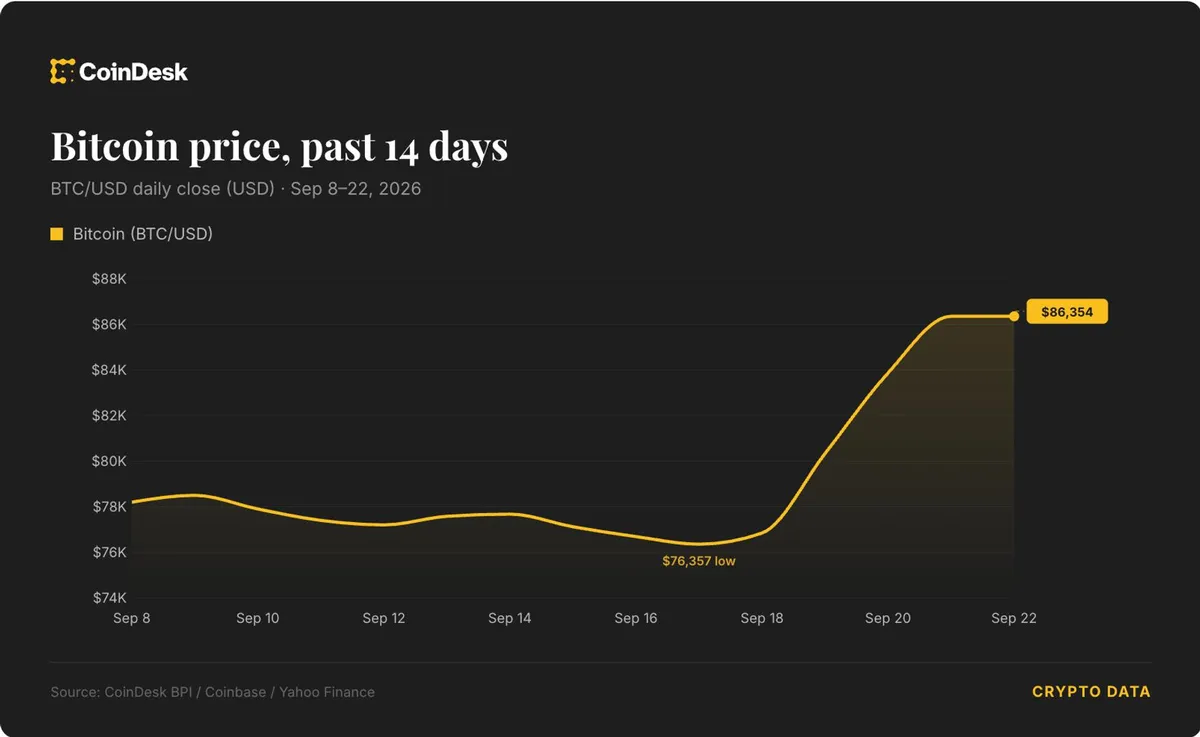
Bitcoin surges past $86,000 as $1 billion in shorts are liquidated, eyes on $90,000
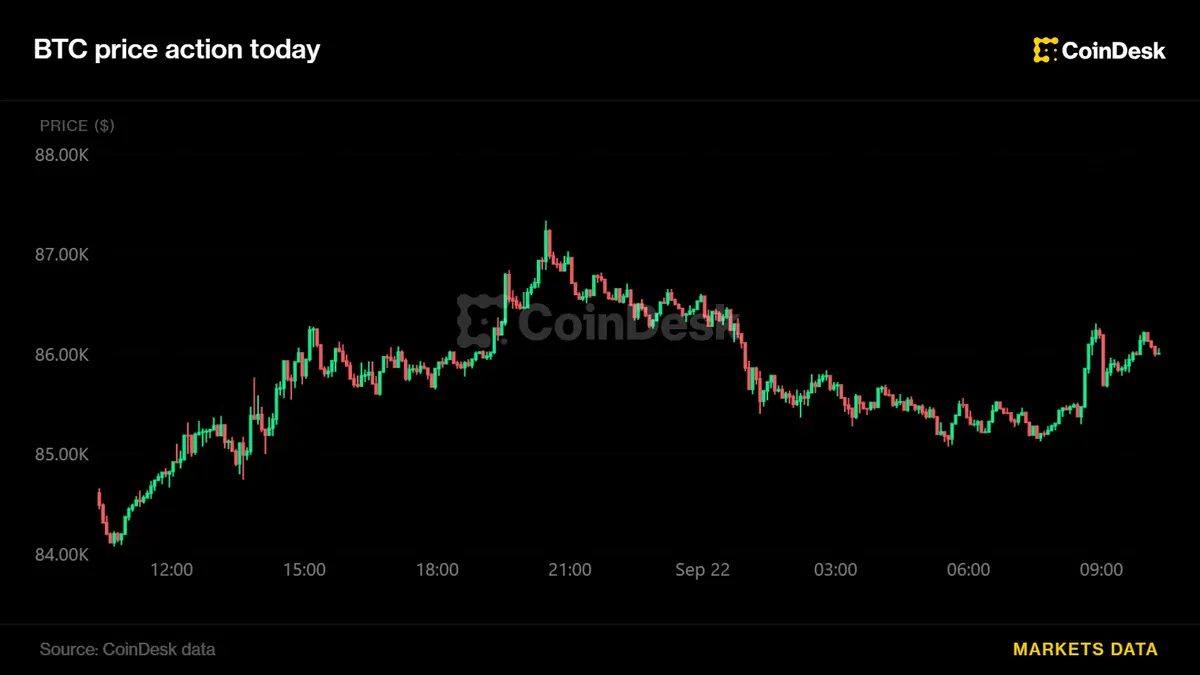
Bitcoin bounces back to $86,000 as oil prices decline and stocks rise

Prediction markets projected to reach $10 trillion by 2035, surpassing sports