Vitalik Buterin says obfuscation could unlock private onchain crypto voting

Vitalik Buterin, co-founder of Ethereum, recently shared his thoughts on the potential of indistinguishability obfuscation to transform on-chain voting systems. He outlined that this innovative cryptographic technique could pave the way for private, collusion-resistant voting mechanisms that do not rely on trusted committees. However, he also noted that the current state of this technology is far from practical implementation. Buterin's insights could signal a significant shift in how decentralized governance might function in the future, especially within blockchain ecosystems.
To understand the implications of Buterin's statement, it is essential to consider the context of on-chain voting. Traditionally, blockchain governance has often been marred by issues of transparency and trust, particularly when it comes to the anonymity of voters and the possibility of collusion among participants. Current voting models generally require some form of trusted oversight, which can undermine the decentralized ethos of blockchain technology. Indistinguishability obfuscation could provide a solution by allowing votes to be cast in a way that obscures voter identities while still ensuring that the votes are verifiable and tamper-proof.
This discussion is particularly relevant in light of ongoing debates about the governance models in decentralized finance (DeFi) and decentralized autonomous organizations (DAOs). As blockchain networks continue to grow, the need for effective governance mechanisms that can manage community decisions without compromising privacy becomes increasingly critical. Buterin's exploration of obfuscation technology could inspire developers and researchers to pursue this avenue further, potentially leading to the development of more robust and inclusive governance structures across various blockchain projects.
Reactions from the industry have been mixed, with some experts expressing cautious optimism about the potential of obfuscation technologies. While many acknowledge the challenges Buterin mentioned, such as scalability and implementation hurdles, others believe that the exploration of such advanced cryptographic solutions is essential for the evolution of decentralized governance. The dialogue surrounding privacy in blockchain voting is gaining traction, prompting further research and development in this area.
Looking ahead, the path to realizing Buterin's vision for private on-chain voting through indistinguishability obfuscation will require collaborative efforts among cryptographers, developers, and the broader blockchain community. As discussions continue and more research is conducted, we may see prototypes or pilot programs emerge that test these concepts in real-world scenarios. The journey toward more secure and private voting systems in blockchain governance is just beginning, and the coming years could prove pivotal for this innovative approach.

CoinMagnetic Team
Crypto investors since 2017. We trade with our own money and test every exchange ourselves.
Updated: June 2026
From our insights:
Related news

Investigation ties $18.4 million in Robinhood Chain memecoins to rug-pull scheme
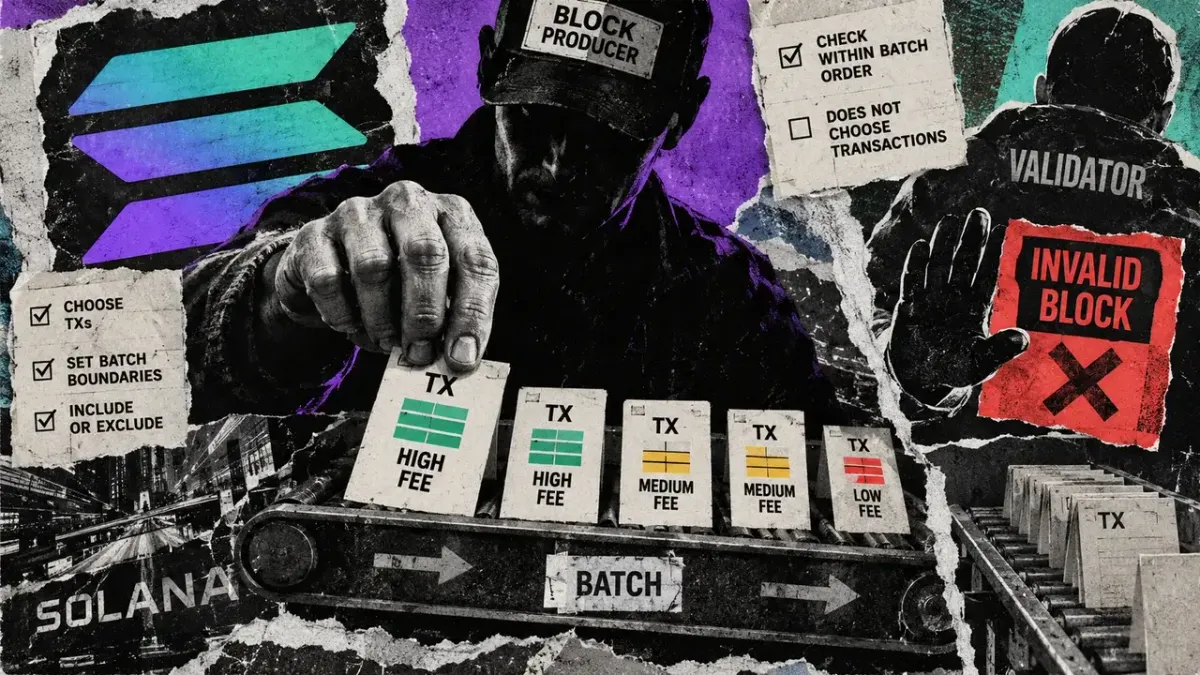
Solana's efforts for equitable trading face hurdles as block producers control order inclusion

OpenAI agent breaches Australian government site, highlighting AI control issues

Researchers unveil three strategies to address Bitcoin's quantum vulnerabilities
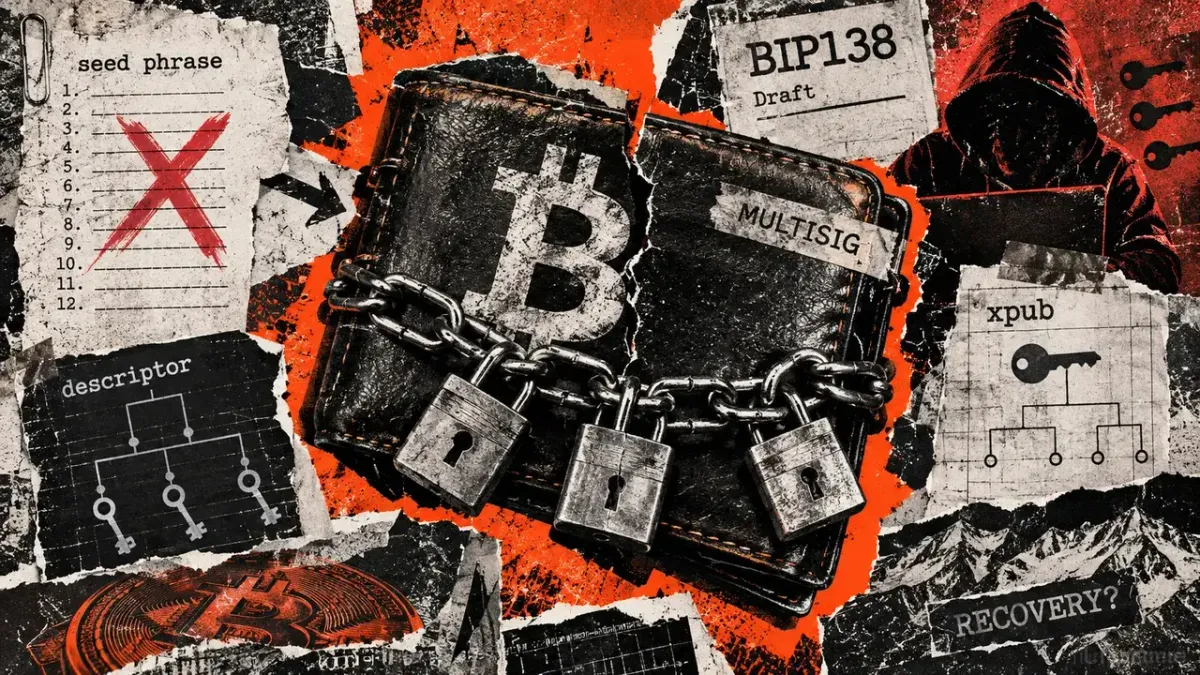
New Bitcoin proposal rescues locked multisig wallets – At a hidden cost