Vitalik Buterin puts privacy and quantum resistance front and center in Ethereum’s latest roadmap

Vitalik Buterin has recently outlined a significant shift in Ethereum's development focus, emphasizing privacy and quantum resistance as key components of the platform's latest roadmap. This initiative is part of what Buterin refers to as Lean Ethereum, which is poised to represent the protocol’s third major iteration. By integrating these crucial features, Ethereum aims to bolster security and privacy for its users, addressing growing concerns around data protection and the potential threat posed by quantum computing to blockchain technologies.
Historically, Ethereum has been at the forefront of blockchain innovation, evolving through various upgrades since its inception. The first major iteration, known as Ethereum 1.0, laid the foundation for smart contracts and decentralized applications. The subsequent upgrade, Ethereum 2.0, focused on transitioning the network to a proof-of-stake consensus mechanism, enhancing scalability and energy efficiency. Now, Lean Ethereum aims to tackle pressing issues surrounding user privacy and the resilience of the network against future technological threats, particularly with the advancement of quantum computing.
The introduction of enhanced privacy features is particularly significant in an era where data breaches and privacy violations have become increasingly common. By prioritizing privacy, Ethereum can offer its users greater control over their personal information, which is essential for fostering trust and encouraging wider adoption of blockchain technology. Furthermore, by addressing quantum resistance, Ethereum positions itself as a forward-thinking network that is prepared for the technological shifts that could disrupt the blockchain landscape.
Industry reactions to Buterin's roadmap have been largely positive, with many experts praising the proactive approach towards privacy and quantum resistance. Some have emphasized the necessity of these upgrades to ensure Ethereum's competitiveness in a rapidly evolving market, while others highlight the importance of maintaining transparency and user trust. Furthermore, the emphasis on privacy could attract a more diverse user base, including those from sectors that prioritize confidentiality, such as finance and healthcare.
As Ethereum moves forward with the Lean Ethereum initiative, stakeholders will be keenly watching the implementation of these upgrades. The development team will likely face challenges in balancing the complexity of these features with user experience and network performance. However, the commitment to enhancing privacy and quantum resistance signals a robust future for Ethereum, one that could redefine its role within the blockchain ecosystem.

CoinMagnetic Team
Crypto investors since 2017. We trade with our own money and test every exchange ourselves.
Updated: August 2026
From our insights:
Related news
ZetaChain votes to shut down Layer 1 network and move ZETA to Solana

Solana reduces block times by 17% with latest upgrade, boosting transaction freshness

Optimism secures upgrade for Superchain to enable interoperability

Solana boosts transaction size by 3x amid surge in network activity
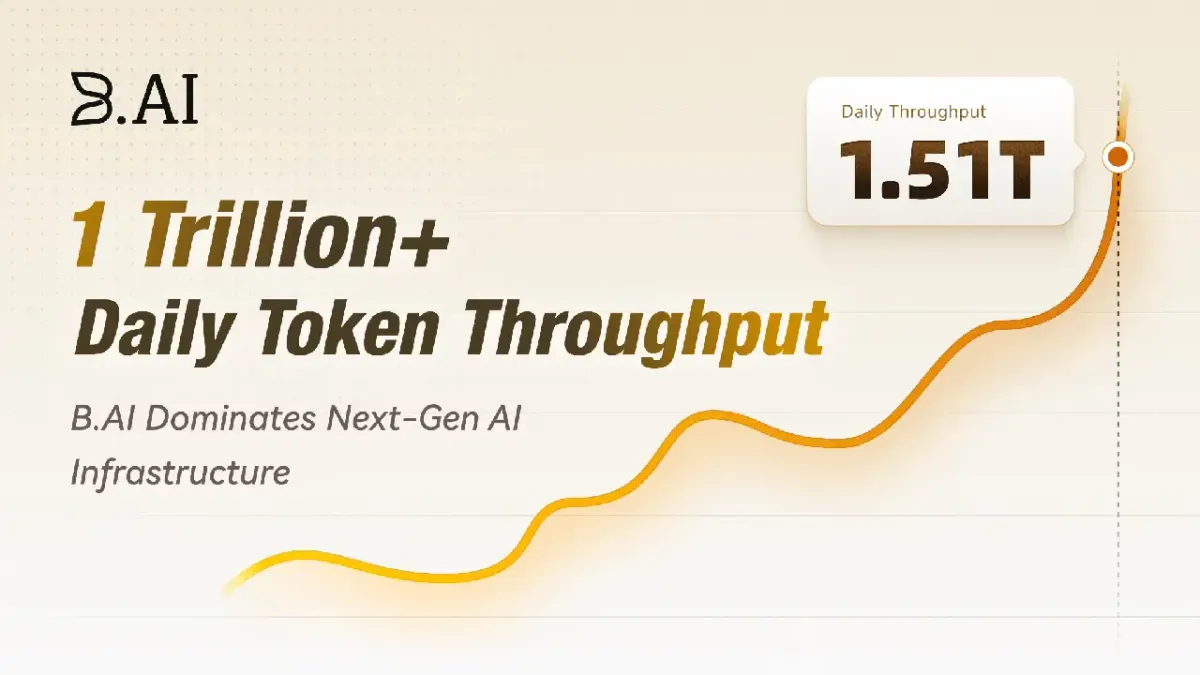
B.AI achieves record 1.51 trillion tokens daily throughput for AI infrastructure