Vitalik Buterin proposes options-based synthetic assets to avoid liquidations and reduce reliance on real-time oracles

In a recent proposal, Ethereum co-founder Vitalik Buterin has introduced the concept of options-based synthetic assets, aiming to tackle the persistent issue of liquidation risks in decentralized finance (DeFi). This innovative approach would allow users to create synthetic assets that can be settled based on the value of underlying assets, utilizing slower oracles rather than real-time price feeds. By doing so, Buterin suggests that these options-based assets could provide a more stable and secure way for users to engage in DeFi activities without the fear of sudden liquidations due to volatile price movements.
The backdrop to this proposal is the ongoing challenges faced by DeFi platforms, where users often find themselves vulnerable to liquidation events triggered by rapid price fluctuations. Traditional synthetic assets rely heavily on real-time oracles, which can lead to significant risks during periods of market volatility. As the DeFi ecosystem continues to evolve, there has been growing scrutiny regarding the reliance on these oracles and the potential for systemic risks. By suggesting a shift to options-based models, Buterin is pushing for a more resilient framework that could enhance user safety and confidence in DeFi protocols.
The implications of this proposal are significant for the broader market. If options-based synthetic assets gain traction, they could lead to a reduction in liquidation events, thereby creating a more stable trading environment. This shift could attract a wider audience to DeFi, including more risk-averse investors who have been hesitant due to the dangers associated with real-time price feeds. Furthermore, it could foster more innovative financial products that leverage these safer synthetic assets, ultimately enhancing the diversity and depth of the DeFi landscape.
Industry reactions to Buterin's proposal have been mixed, with some experts expressing enthusiasm for the potential of options-based assets to mitigate risks. Others, however, caution that transitioning to a reliance on slower oracles may introduce its own set of challenges, particularly concerning the accuracy and reliability of those oracles. Some analysts argue that while the idea is promising, it will require robust frameworks and governance to ensure that these synthetic assets remain secure and effective in various market conditions.
Looking ahead, the development and implementation of options-based synthetic assets will be closely watched by both developers and investors alike. As discussions continue within the Ethereum community and beyond, it remains to be seen how quickly these concepts can be adopted and integrated into existing DeFi protocols. The outcome of this initiative could not only reshape the way synthetic assets are approached but could also have lasting effects on the overall health and stability of the DeFi market.

CoinMagnetic Team
Crypto investors since 2017. We trade with our own money and test every exchange ourselves.
Updated: June 2026
From our insights:
Related news

Bitcoin's weekly close above $81,000 signals potential rise to $90,000

Elon Musk's X integrates bitcoin trading options for U.S. users
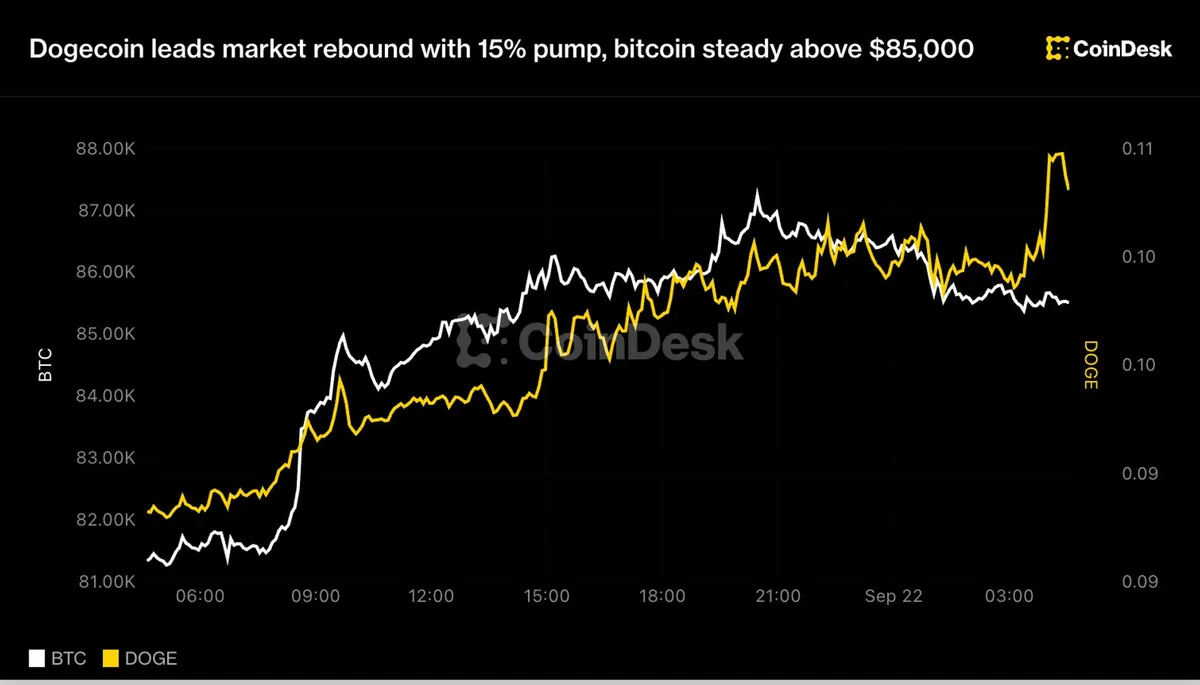
Dogecoin's 15% surge drives market recovery as bitcoin stabilizes above $85,000

Cardano adds tools for AI agent payments, joining Solana and XRP Ledger

Trueo prediction market moves from Base to Ethereum