Vitalik Buterin outlines Ethereum's privacy measures. Here is what it means for the network and ETH

In a recent discussion, Vitalik Buterin, the co-founder of Ethereum, elaborated on the network's ongoing efforts to enhance privacy measures. He emphasized that privacy is not just a luxury but a fundamental requirement for the broader adoption of blockchain technology. Buterin highlighted various initiatives, including the integration of zero-knowledge proofs and improvements in the architecture of Ethereum that aim to bolster user privacy while maintaining transparency. This shift towards prioritizing privacy is seen as a crucial step in making Ethereum more accessible and user-friendly, especially for those who are skeptical about the visibility of their transactions and activities on the blockchain.
To understand the significance of these privacy measures, it is important to consider the evolution of Ethereum and its role in the cryptocurrency ecosystem. Since its inception, Ethereum has been at the forefront of decentralized applications and smart contracts. However, the inherent transparency of blockchain technology often raises concerns among users regarding data exposure. As more individuals and businesses consider integrating blockchain into their operations, the need for privacy has become increasingly apparent. The introduction of privacy features aligns with the broader trend within the industry, where user data protection is garnering attention from both regulators and consumers alike.
The implications of enhanced privacy measures on the Ethereum network could be far-reaching for the market. As Ethereum continues to solidify its position as a leading smart contract platform, the introduction of robust privacy features may attract a new wave of users and developers. This could potentially lead to increased transaction volumes and greater utility across decentralized applications. Furthermore, as privacy becomes a pivotal concern, Ethereum could differentiate itself from other blockchain networks that may not prioritize these features, thereby enhancing its competitive advantage in the crowded crypto landscape.
Industry reactions to Buterin's announcement have been largely positive, with many experts acknowledging the necessity of privacy in fostering user trust. Some analysts argue that by enhancing privacy, Ethereum could not only protect users' financial data but also enable innovations in sectors such as finance and healthcare, where confidentiality is paramount. However, there are also cautionary voices highlighting the need to balance privacy with compliance to prevent misuse and illicit activities. The discussions around privacy in blockchain continue to evolve, and experts are keeping a close eye on how Ethereum navigates these complexities moving forward.
Looking ahead, the Ethereum community is expected to continue exploring various avenues to implement and refine privacy measures. As more proposals emerge and discussions progress, it will be crucial for developers and stakeholders to engage in ongoing dialogue about the implications of these changes. The successful integration of privacy features could set a precedent for future developments within the network and potentially influence other blockchain projects to follow suit. As the landscape evolves, Ethereum's commitment to privacy may become a defining aspect of its identity and growth trajectory in the coming years.

CoinMagnetic Team
Crypto investors since 2017. We trade with our own money and test every exchange ourselves.
Updated: May 2026
From our insights:
Related news

SoFi begins stablecoin settlement on Mastercard network for program expected to exceed $25 billion in annualized volume
A $3.2 million 'bitcoin butterfly' option trade bets on $95,000 by the end of October

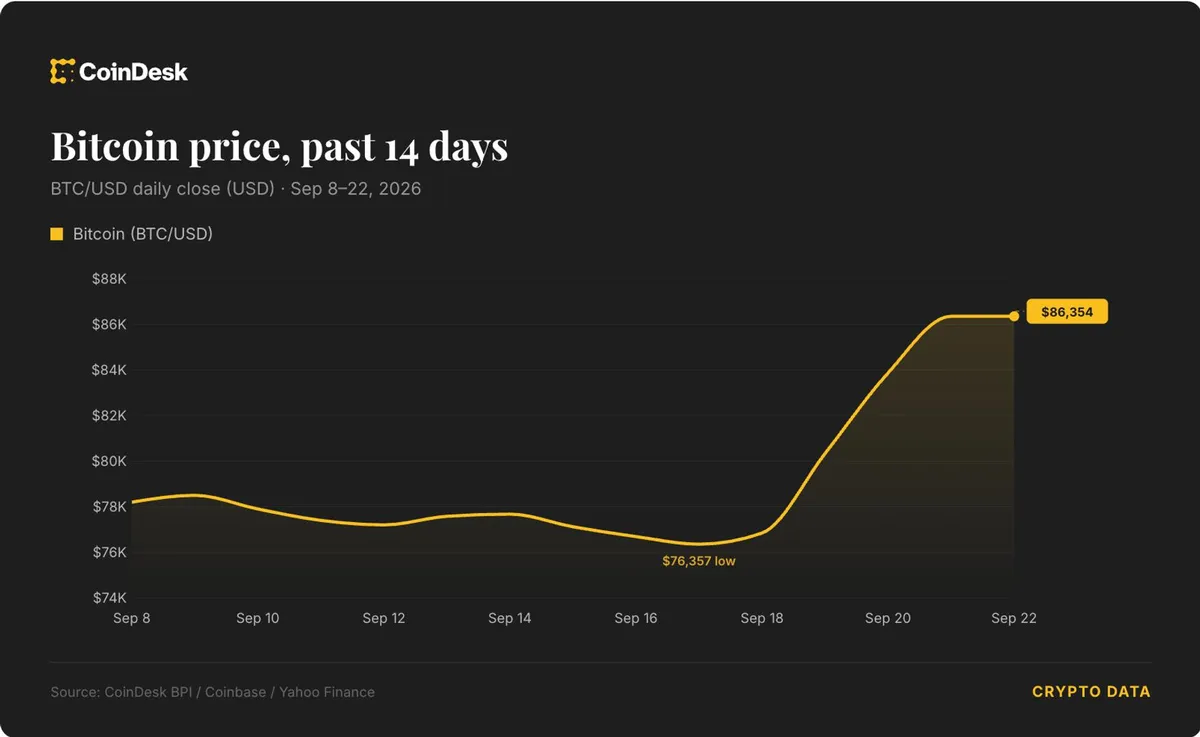
Bitcoin surges past $86,000 as $1 billion in shorts are liquidated, eyes on $90,000
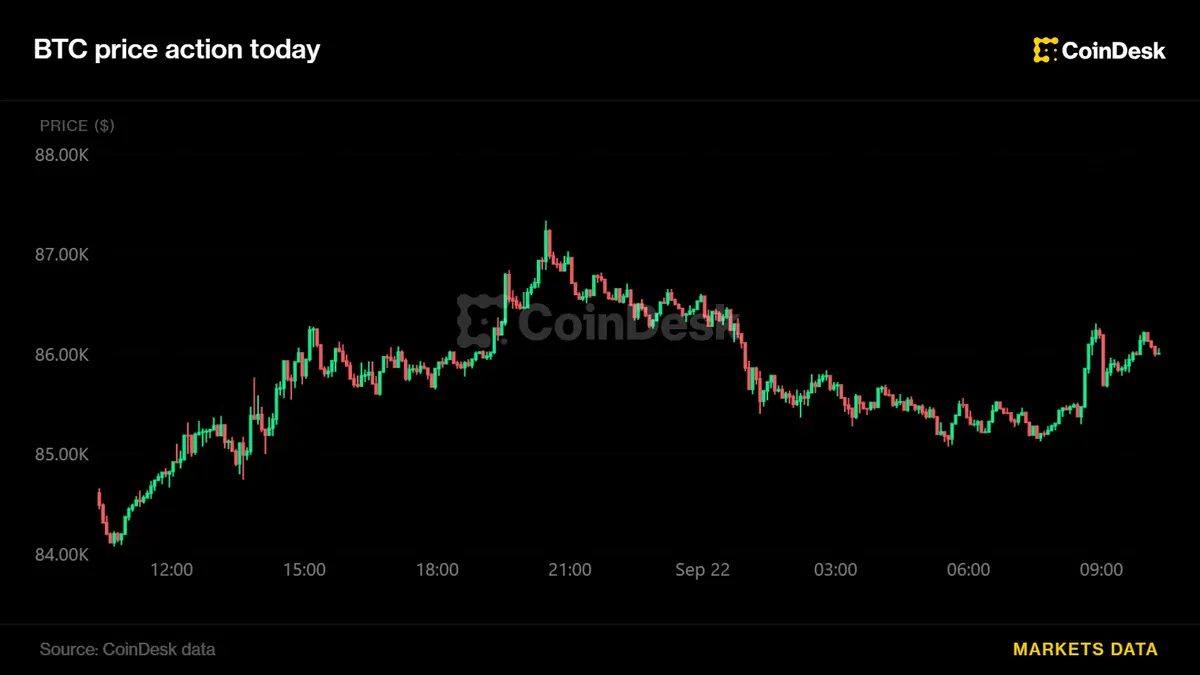
Bitcoin bounces back to $86,000 as oil prices decline and stocks rise

Prediction markets projected to reach $10 trillion by 2035, surpassing sports