Virtuals' Jansen Teng says AI agents are evolving into autonomous economic actors

In a recent statement, Jansen Teng, a prominent figure from Virtuals, emphasized that artificial intelligence (AI) agents are progressing toward becoming autonomous economic actors. This evolution signifies a shift from traditional chat-based interactions to a new paradigm where these AI entities will engage in earning, spending, and coordinating economic activities. Teng posited that the future of AI will involve agents that can independently navigate financial landscapes, making decisions that have real-world economic implications. This development could revolutionize various sectors, including finance, commerce, and even governance.
The context of this transition is rooted in the advancements in AI technologies over the past few years. As machine learning and natural language processing have improved, AI has moved from simple task automation to more sophisticated roles that require decision-making and strategic planning. With companies increasingly integrating AI into their business models, the potential for AI agents to act autonomously in economic capacities is becoming more tangible. The convergence of AI with blockchain technologies further enhances the prospects of these agents, enabling secure and transparent transactions without human intervention.
This shift towards autonomous economic agents is significant for the market as it opens up new avenues for innovation and investment. The potential for AI agents to operate independently could lead to increased efficiency and productivity in various industries. As these agents begin to participate in the economy, they could create new markets, disrupt existing business models, and challenge traditional concepts of labor and value. Investors and companies will need to adapt to this changing landscape, as the dynamics of supply and demand may be influenced by AI-driven decisions.
Industry experts have reacted with a mix of excitement and caution regarding Teng’s insights. Some believe that the rise of autonomous economic actors could lead to unprecedented efficiencies and the ability to analyze and respond to market conditions in real time. Others, however, express concerns about the ethical implications and potential risks associated with allowing AI to operate independently in economic spheres. The discussions surrounding regulation, accountability, and the potential for unintended consequences are gaining traction as the technology evolves.
Looking ahead, the trajectory of AI agents as autonomous economic actors will likely be shaped by ongoing technological advancements and societal responses. As these agents become more integrated into economic frameworks, we anticipate that regulatory bodies will take a keen interest in overseeing their activities to ensure stability and fairness in the market. Furthermore, the development of standards and ethical guidelines will be crucial in addressing the challenges posed by this new frontier. The journey of AI agents is just beginning, and their impact on the economy could be profound, transforming how we think about work, value, and financial interactions.

CoinMagnetic Team
Crypto investors since 2017. We trade with our own money and test every exchange ourselves.
Updated: June 2026
From our insights:
Related news

New York's lawsuit against Polymarket seeks triple damages and penalties
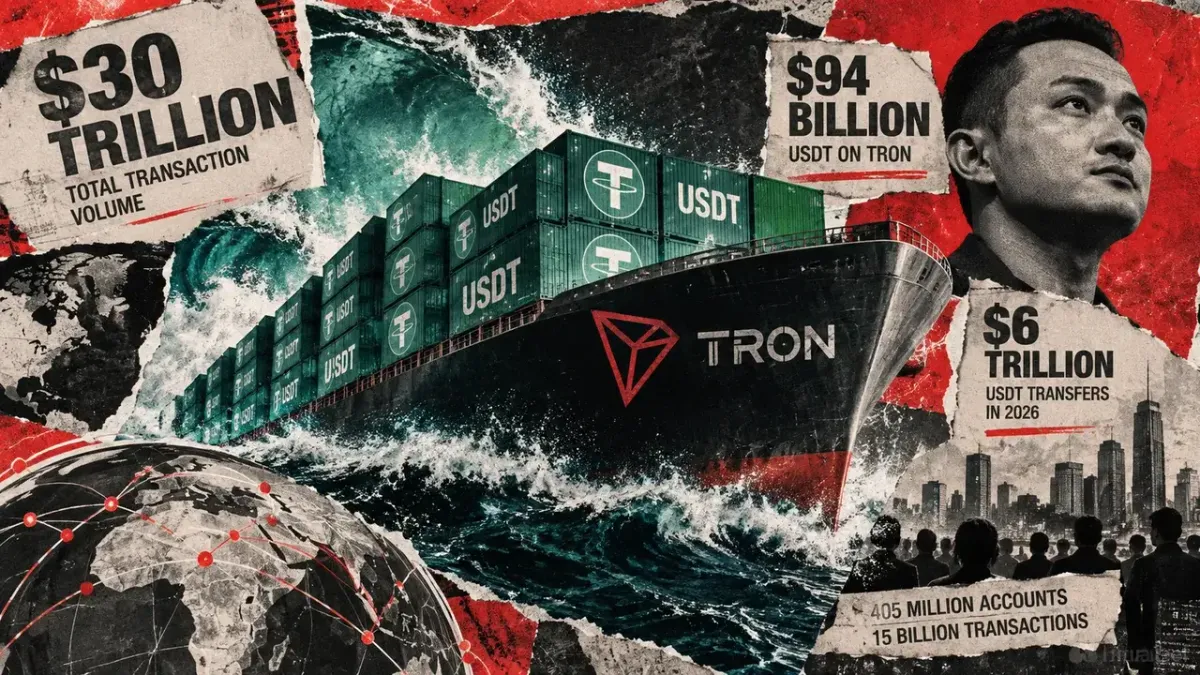
TRON's lifetime volume of $30 trillion raises concerns for investors

Ondo Finance denies rumors of sale following founder Nathan Allman's death
U.S. commodities firms can invest in tokenized assets, use blockchain records: CFTC

Hyperliquid traders gain faster access to order book with DoubleZero's data feed