Victims of Iran attacks seek court order for turnover of $344 million in USDT frozen by Tether

Victims of attacks linked to Iran have taken a significant step in their pursuit of justice by seeking a court order that would compel Tether to release $344 million worth of USDT that has been frozen. This amount is allegedly connected to the Islamic Revolutionary Guard Corps (IRGC), an entity designated by the U.S. government as a supporter of terrorism. The creditors, who have already obtained a U.S. judgment against Iran for damages resulting from terrorism, are now looking to Tether–a major player in the cryptocurrency space–to hand over these frozen assets as part of their compensation efforts.
To understand the implications of this situation, it is essential to consider the broader context surrounding the IRGC and its designation as a terrorist organization. The U.S. has long maintained a stance against Iran's government and its military branches, particularly the IRGC, which has been implicated in various acts of terrorism and destabilizing activities across the Middle East. The victims' pursuit of these funds highlights the intersection of traditional finance and the burgeoning landscape of cryptocurrency, raising questions about accountability and the role of digital assets in legal proceedings.
This case holds significant ramifications for the cryptocurrency market, especially concerning regulatory frameworks and the treatment of digital currencies in legal disputes. If the court sides with the victims and mandates Tether to release the funds, it could set a precedent for how cryptocurrencies are handled in relation to judgments against entities involved in terrorism. This could prompt increased scrutiny from regulators and may lead to more stringent compliance measures within the cryptocurrency industry, potentially affecting how exchanges operate and interact with law enforcement.
Industry reactions have been varied, with some experts expressing concern about the implications for the broader crypto ecosystem. Many in the sector argue that this case could further entrench the perception of cryptocurrencies as tools that can be linked to illicit activities. Others, however, see it as an opportunity for the industry to demonstrate its legitimacy and capacity for cooperation with legal frameworks. Tether, as a major stablecoin issuer, may face pressure not only from legal stakeholders but also from regulators who are closely monitoring how the situation unfolds.
Looking ahead, this case may catalyze developments within the cryptocurrency regulatory landscape. As the court deliberates, stakeholders will be watching closely to see how this situation evolves and what it might mean for the future of digital currencies in legal contexts. The outcome could influence not only Tether but also the entire sector, as it navigates the complex relationship between innovation, legality, and societal responsibility. The resolution of this case could serve as a turning point for both victims seeking justice and the cryptocurrency industry grappling with its public image.

CoinMagnetic Team
Crypto investors since 2017. We trade with our own money and test every exchange ourselves.
Updated: May 2026
From our insights:
Related news

Bitcoin surges past $86,000 as $1 billion in shorts are liquidated, eyes on $90,000
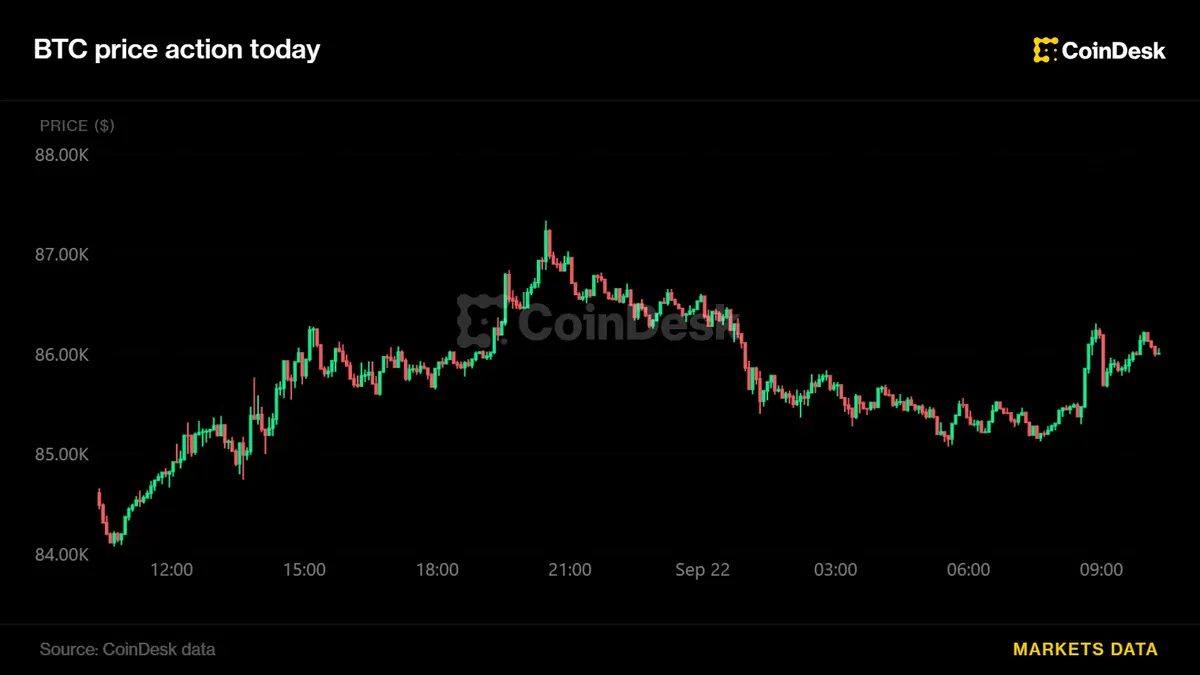
Bitcoin bounces back to $86,000 as oil prices decline and stocks rise

Prediction markets projected to reach $10 trillion by 2035, surpassing sports
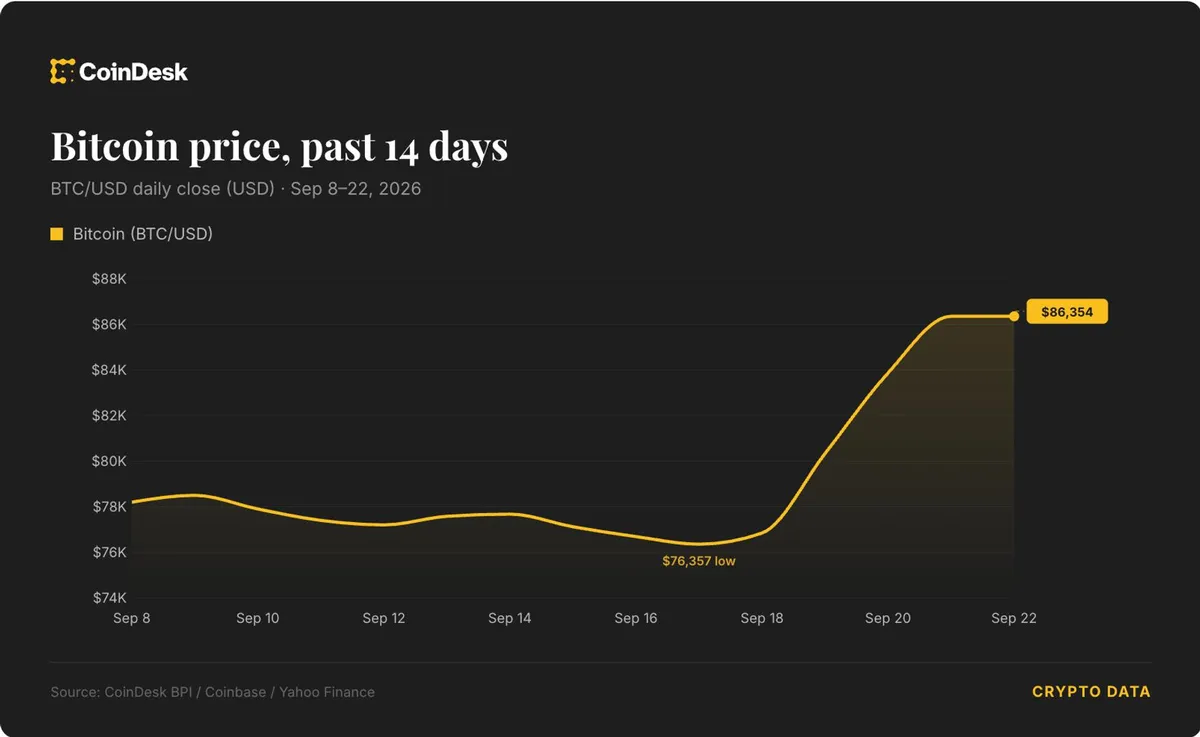
Iran hints at reopening Strait of Hormuz, WTI oil drops to $89

New altseason signal emerges as Bitcoin market cap stays under 60%