USDT gets a Brazil payment route to 170 million people by making crypto disappear
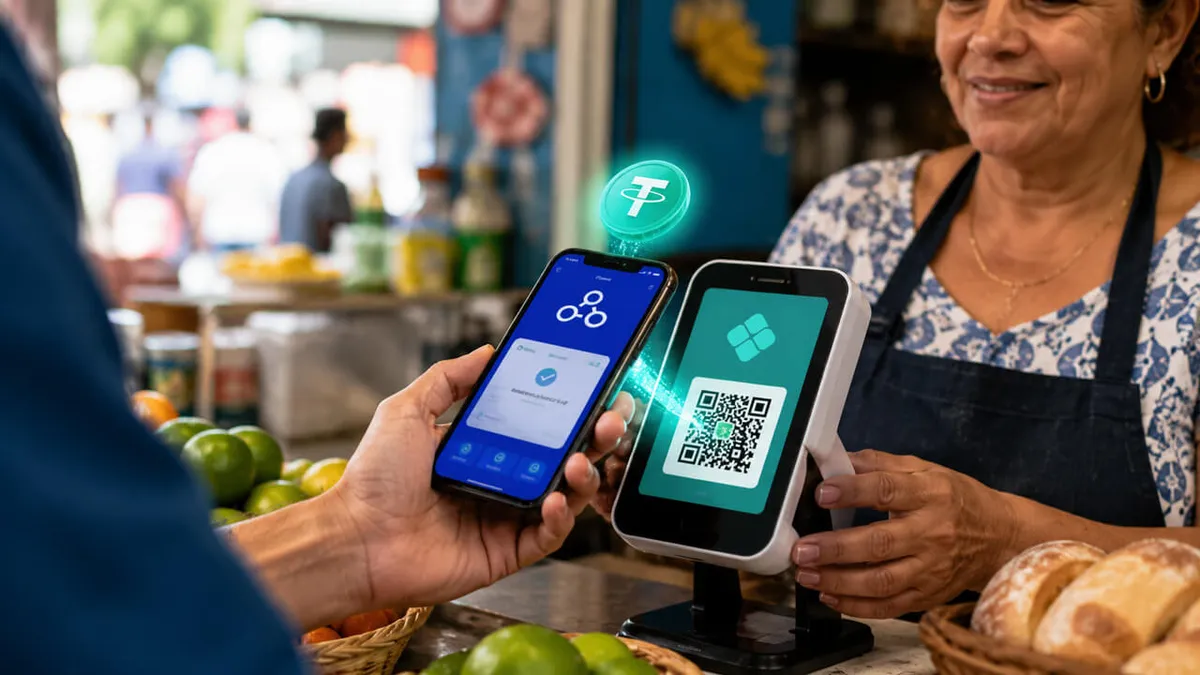
The recent integration of Tether's USDT stablecoin into Brazil's payment infrastructure marks a significant milestone for the cryptocurrency. This initiative allows USDT to be utilized by approximately 170 million people in Brazil, effectively bringing cryptocurrency into the daily financial activities of a vast population. Notably, this integration is designed to make cryptocurrency less visible to users, allowing them to transact without needing to understand the underlying complexities of digital currencies. Instead, it leverages existing financial rails and systems that Brazilian consumers already trust, potentially enhancing the adoption of stablecoins in everyday transactions.
To understand the implications of this development, we must consider Brazil's evolving financial landscape. The country has shown a growing interest in integrating digital currencies into its economy, with initiatives aimed at improving financial inclusion and reducing reliance on traditional banking systems. This move towards stablecoins like USDT is part of a broader trend, as Brazilian consumers increasingly seek alternatives to traditional fiat currencies, especially in times of economic instability. By incorporating USDT into popular payment systems, Tether is positioning itself as a key player in Brazil's digital economy, potentially influencing how cryptocurrencies are perceived and utilized by the general public.
This integration is significant for the market as it highlights the potential for stablecoins to bridge the gap between traditional finance and the burgeoning cryptocurrency ecosystem. By allowing users to transact in USDT without needing to be aware of the complexities of cryptocurrency, it could lead to increased usage and acceptance of digital currencies in Brazil and beyond. Moreover, this could serve as a model for other countries looking to integrate stablecoins into their payment systems, indicating a viable path for the future of digital transactions.
Industry experts have reacted positively to this development, emphasizing the importance of user-friendly solutions for cryptocurrency adoption. Many believe that simplifying the user experience is crucial for the mainstream acceptance of digital currencies. Analysts note that this approach could pave the way for other stablecoins to follow suit, promoting a greater shift towards digital currencies in everyday transactions. The sentiment within the industry is one of cautious optimism, as stakeholders recognize the potential benefits while remaining mindful of the regulatory and market challenges that come with such integrations.
Looking ahead, it will be interesting to see how this initiative evolves and what impact it will have on both the Brazilian economy and the broader cryptocurrency market. If successful, the integration of USDT into Brazil's payment infrastructure could lead to further collaborations between stablecoin issuers and local payment systems. Additionally, it may prompt regulators to consider more accommodating frameworks for digital currencies, fostering an environment where cryptocurrencies can thrive alongside traditional financial systems. As this integration unfolds, it will undoubtedly provide valuable insights into the future of digital currency adoption worldwide.

CoinMagnetic Team
Crypto investors since 2017. We trade with our own money and test every exchange ourselves.
Updated: June 2026
From our insights:
Related news

TRON's lifetime volume of $30 trillion raises concerns for investors

Ondo Finance denies rumors of sale following founder Nathan Allman's death

U.S. commodities firms can invest in tokenized assets, use blockchain records: CFTC

Hyperliquid traders gain faster access to order book with DoubleZero's data feed
SkyAI board retains position despite shareholder protest, equity plan fails