US-Japan yen intervention signals potential liquidity shifts for Bitcoin

The recent joint intervention by the US and Japan to stabilize the yen has sent ripples through the financial markets, particularly impacting cryptocurrencies like Bitcoin and other risk assets. This marked the first such intervention in 28 years, occurring against a backdrop of soaring bond yields and mounting concerns regarding the yen carry trade. The coordinated effort aims to counteract the yen's depreciation, which has been a growing concern for both nations, particularly as the dollar strengthens.
Historically, the yen carry trade has been a popular strategy for investors, allowing them to borrow in yen at low interest rates and invest in higher-yielding assets. However, with bond yields reaching record highs, the environment has shifted, prompting both nations to act. The intervention is a response to not just the risks associated with the yen but also to broader economic stability, as fluctuations in currency values can have significant implications for global markets, including cryptocurrency.
This intervention matters for the market as it highlights the interconnectedness of traditional finance and the crypto space. As liquidity shifts due to currency stabilization measures, Bitcoin and other risk assets may experience volatility. Traders and investors are closely monitoring these developments, as any significant changes in liquidity can lead to rapid price movements, affecting the overall sentiment in the crypto market. With the Federal Reserve's policies and global economic conditions at play, the potential for liquidity flux is heightened.
Industry experts have weighed in on the situation, noting that while the intervention may provide short-term stability, it could also signal longer-term risks if it leads to increased volatility in currency markets. Some analysts suggest that Bitcoin could be seen as a hedge against traditional currency fluctuations, while others warn that a strong dollar could put downward pressure on digital assets. The overall sentiment appears cautious as market participants brace for potential shifts.
Looking ahead, the focus will be on how the markets respond to this intervention and whether it will lead to sustained changes in liquidity dynamics. Investors will likely keep a close eye on upcoming economic indicators and central bank announcements, as these could further influence both traditional and crypto markets. The interplay between government actions and market reactions will be pivotal in shaping the landscape for Bitcoin and other risk assets in the near future.

CoinMagnetic Team
Crypto investors since 2017. We trade with our own money and test every exchange ourselves.
Updated: August 2026
From our insights:
Related news
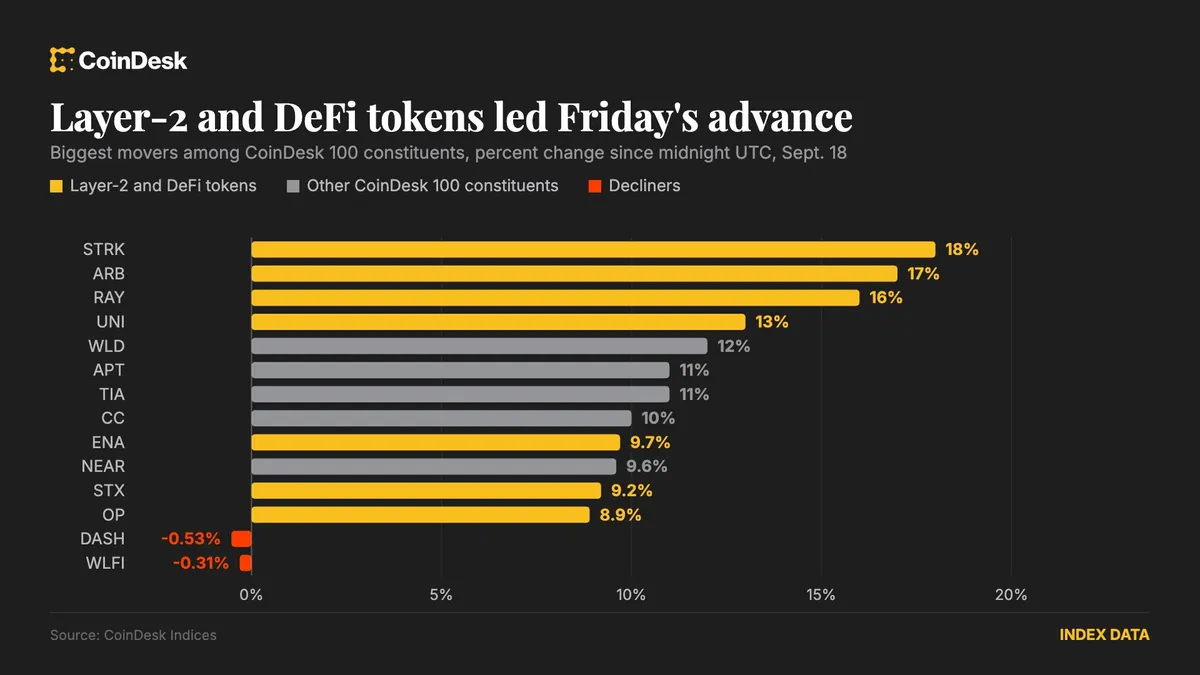
Starknet and Arbitrum surge over 17% as crypto market stabilizes post-Fed hike

Federal Reserve hike raises Treasury yields, pressuring crypto lending rates

XRPL's closed-ended vaults may restrict XRP access for long periods

Aave V4’s Arc market is swimming in $76 million of USDC nobody is borrowing
SEC initiates five-year experiment for tokenized U.S. stock trading