US sanctions on Iran's crypto sector ignite Bitcoin and gold discussions
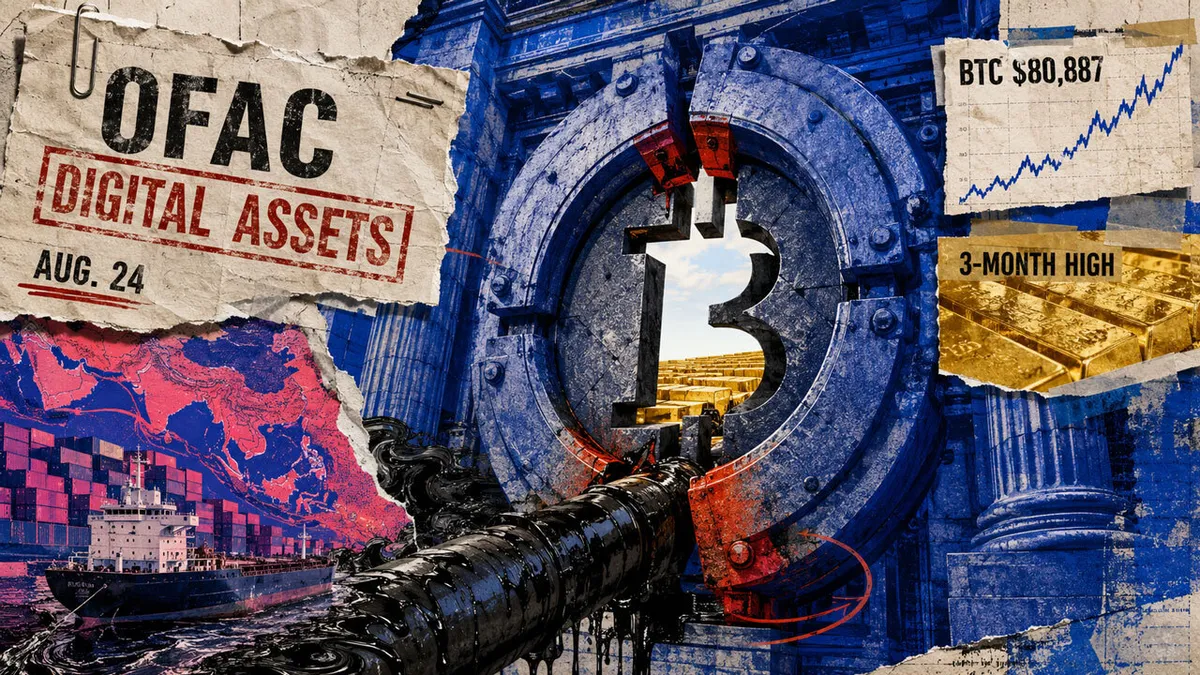
The United States has intensified its financial campaign against Iran by threatening to remove the country's trading partners from the dollar system while expanding its sanctions on Iran's cryptocurrency sector. On August 24, Treasury Secretary Scott Bessent announced "Operation Economic Outcast," which targets nearly 60 individuals and entities involved in the Iranian economy. This move represents a significant escalation in the U.S. approach, as it seeks to further isolate Iran economically amid ongoing tensions over its nuclear program and regional activities.
Historically, the U.S. has employed sanctions as a tool to exert pressure on nations it views as threats to national security. Iran has long been a focal point of U.S. sanctions, particularly in response to its nuclear aspirations and support for militant groups. The introduction of cryptocurrency sanctions is a relatively new strategy that highlights the growing importance of digital assets in global finance. By targeting the crypto sector, the U.S. aims to cut off alternative financial avenues that Iran could exploit to circumvent traditional banking restrictions.
This development holds significant implications for the cryptocurrency market. The potential for increased U.S. sanctions on cryptocurrencies could lead to heightened volatility as traders react to geopolitical tensions. Additionally, the discourse surrounding the use of Bitcoin and gold as safe-haven assets is likely to intensify. Investors may start to view Bitcoin not only as a speculative investment but also as a hedge against geopolitical risks and traditional fiat currency instability, particularly given the U.S. dollar's role in global trade.
Industry experts have expressed mixed reactions to the sanctions. Some view them as a necessary measure to curb Iran's financial activities, while others argue that they could push Iran further into the arms of alternative financial systems, such as those offered by China and Russia. This sentiment is echoed by crypto advocates who see this as a potential opportunity for Bitcoin to gain traction as a decentralized currency that operates outside the traditional banking system.
Looking ahead, it remains to be seen how these sanctions will impact Iran's economy and its crypto landscape. Will the country adapt by doubling down on its blockchain initiatives, or will it seek to forge stronger alliances with other nations to mitigate the effects of U.S. sanctions? As the situation evolves, stakeholders in the crypto space will undoubtedly be keeping a close eye on developments, particularly as they could shape the future of cryptocurrencies amidst a changing global economic landscape.

CoinMagnetic Team
Crypto investors since 2017. We trade with our own money and test every exchange ourselves.
Updated: August 2026
From our insights:
Related news

CFTC seeks to classify event contracts as swaps amid ongoing legal battles

OpenAI and Anthropic war-game AI cyberattacks to prepare rapid congressional briefings

Blockchain.com applies for US licenses to launch event contracts and futures

New York AG secures up to $35 million from former Celsius CEO Alex Mashinsky

ESMA gathers industry data to evaluate tokenized collateral risks under stress