US Treasury Sanctions Sinaloa Cartel Over Crypto-Fueled Fentanyl Trafficking
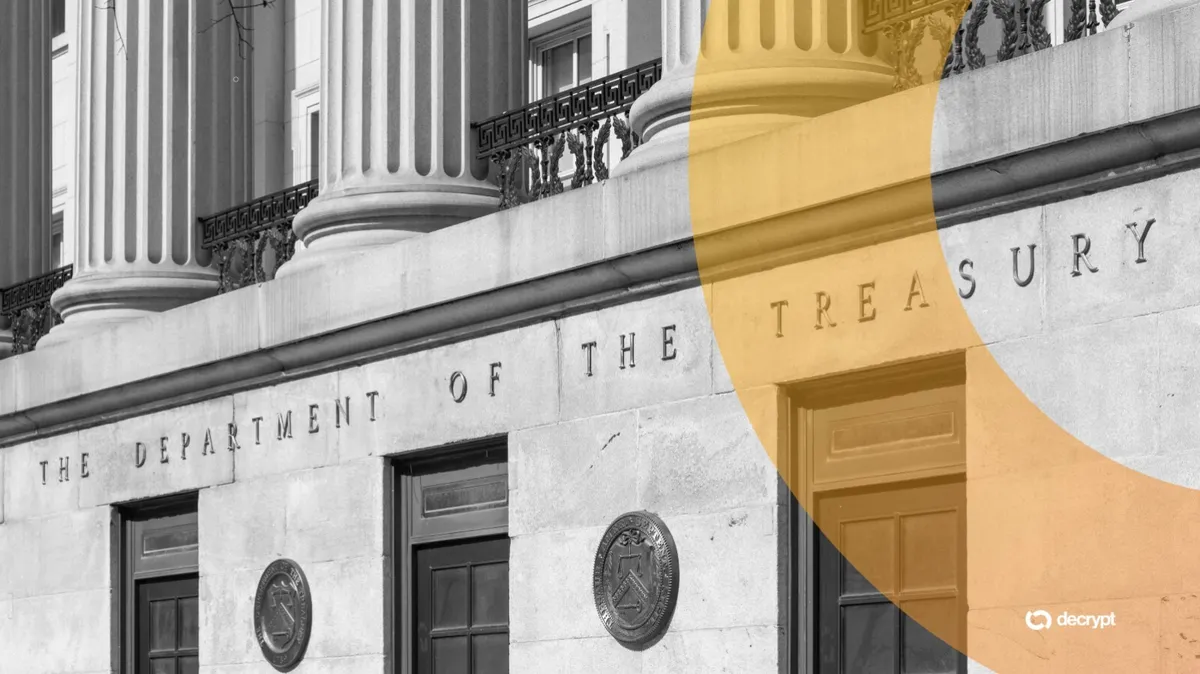
The U.S. Treasury has recently imposed sanctions on members of the notorious Sinaloa Cartel, citing their involvement in converting drug proceeds into cryptocurrency to facilitate the trafficking of fentanyl. This significant action underscores the growing concern among authorities regarding the intersection of digital currencies and organized crime. The sanctions specifically target individuals who are believed to play key roles in the cartel’s operations, allowing them to launder money through various cryptocurrency platforms. By doing so, the Treasury aims to disrupt the financial networks that support drug trafficking and other illicit activities associated with the cartel.
The Sinaloa Cartel has long been recognized as one of the most powerful drug trafficking organizations in the world. Over the years, it has adapted its methods to include modern financial technologies, enabling it to operate more efficiently and evade law enforcement. The increasing use of cryptocurrencies has raised alarms, as these digital assets can provide a level of anonymity that cash transactions do not. The recent sanctions signal a broader initiative by the U.S. government to combat the use of cryptocurrencies in illegal activities, particularly in response to the alarming rise in fentanyl-related overdoses across the nation.
This development is significant for the market as it highlights the regulatory scrutiny that cryptocurrencies are facing. As authorities crack down on illicit activities involving digital assets, the potential for stricter regulations may increase. This could lead to greater volatility in the cryptocurrency market, as investors react to the implications of these sanctions and the possibility of more stringent regulations on cryptocurrency exchanges. The actions taken by the U.S. Treasury may also prompt other countries to evaluate their own regulations concerning cryptocurrencies and organized crime.
Industry experts have expressed mixed reactions to the sanctions. Some view the enforcement as a necessary step to address the misuse of cryptocurrencies, emphasizing the importance of regulatory frameworks to ensure the legitimacy of the industry. Others, however, caution that such measures could stifle innovation and drive illicit activities further underground, making it more challenging for law enforcement to track and combat crime. The ongoing dialogue among industry stakeholders will be crucial in navigating the balance between regulation and innovation in the crypto space.
Looking ahead, it remains to be seen how these sanctions will impact both the Sinaloa Cartel’s operations and the broader cryptocurrency market. As governments worldwide continue to grapple with the implications of digital currencies, further actions may be taken to regulate their use. For those engaged in the crypto space, this serves as a stark reminder of the importance of compliance and transparency in fostering a sustainable and legitimate industry. The coming months will undoubtedly reveal more about the repercussions of these sanctions and the ongoing evolution of the crypto landscape.

CoinMagnetic Team
Crypto investors since 2017. We trade with our own money and test every exchange ourselves.
Updated: May 2026
From our insights:
Related news
Iran hints at reopening Strait of Hormuz, WTI oil drops to $89

New altseason signal emerges as Bitcoin market cap stays under 60%

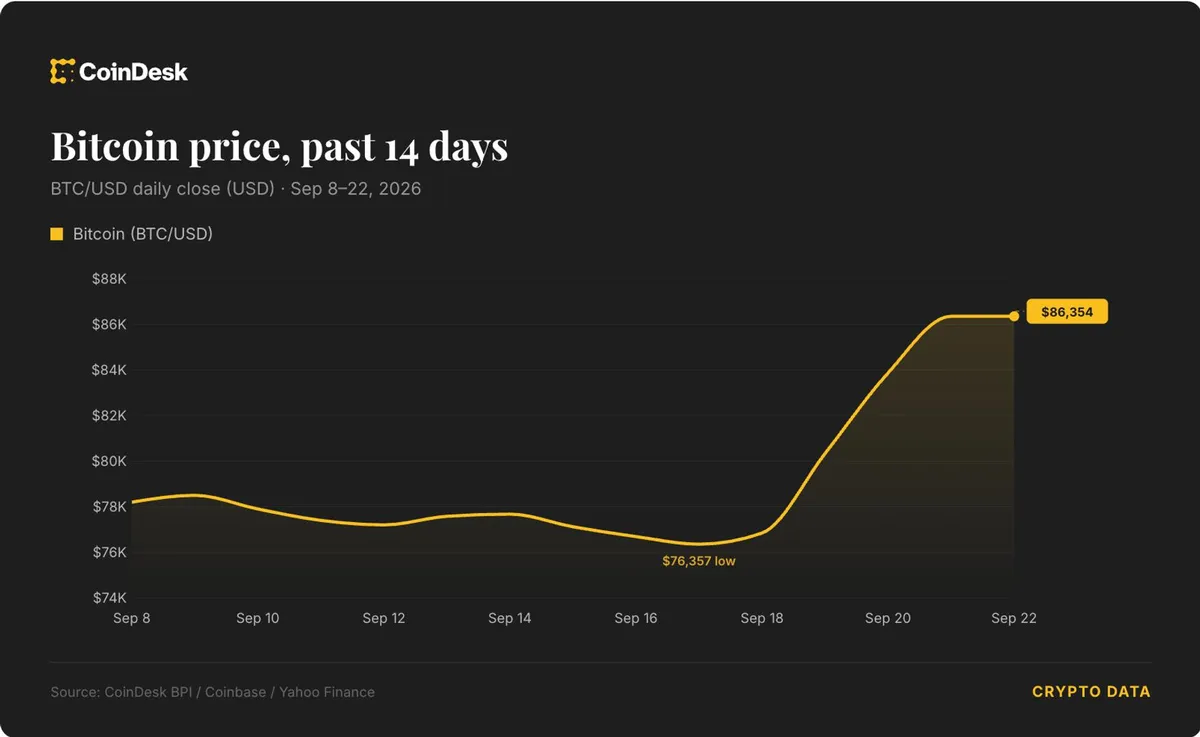
Bitcoin nears $86,000 as crypto market cap surpasses $3 trillion

Bitcoin's weekly close above $81,000 signals potential rise to $90,000

Elon Musk's X integrates bitcoin trading options for U.S. users