US Treasury Sanctions Powerful Cambodian Politician Allegedly Tied to Crypto Scam Network

The US Treasury has announced sanctions against Kok An, a prominent Cambodian senator alleged to be at the helm of a significant cryptocurrency scam network. The Treasury's Office of Foreign Assets Control (OFAC) accuses Kok An of orchestrating a complex operation that utilizes his vast holdings in resorts and casinos to facilitate illegal crypto transactions. This development highlights the increasing scrutiny that government agencies are placing on the intertwining of politics and cryptocurrency, especially as scams and illicit activities continue to plague the digital asset space.
Kok An's alleged involvement in a cryptocurrency crime ring sheds light on the broader issues of corruption and the misuse of digital currencies in Southeast Asia. The Cambodian political landscape has been marred by accusations of nepotism and corruption for years, and the use of cryptocurrencies has brought new challenges for regulators. The lack of clear regulations in the region has allowed such schemes to flourish, making it difficult for authorities to combat financial crimes effectively. This situation underscores the need for stronger regulatory frameworks as the crypto industry grows and attracts both legitimate and nefarious actors.
The sanctions against Kok An may have broader implications for the cryptocurrency market, particularly in the context of regulatory measures. As governments worldwide ramp up efforts to curb financial crime associated with digital currencies, we can expect heightened scrutiny of both individuals and organizations within the space. This could lead to increased compliance costs for legitimate businesses and a potential chilling effect on innovation. Investors may also approach the market with greater caution, as the risk of regulatory backlash could impact the sentiment surrounding cryptocurrencies.
Industry experts have voiced their concerns regarding the implications of these sanctions, noting that they could serve as a warning to other individuals and entities operating in the gray areas of the cryptocurrency market. Some believe that the actions taken by the US Treasury could pressure other countries to take similar stances, potentially leading to a more unified global approach to regulating cryptocurrency. This might ultimately result in a more stable environment for legitimate crypto businesses, but it also raises questions about how far governments will go to crack down on illicit activities in the space.
Looking ahead, the fallout from the sanctions on Kok An could prompt both the Cambodian government and international bodies to reassess their strategies regarding cryptocurrency regulation. As authorities gain more insight into the ties between political figures and crypto scams, we may witness a shift in how cryptocurrencies are viewed and regulated across the globe. The need for transparency and accountability in the crypto space has never been more pressing, and this incident may serve as a pivotal moment for reform efforts aimed at safeguarding the integrity of digital assets.

CoinMagnetic Team
Crypto investors since 2017. We trade with our own money and test every exchange ourselves.
Updated: April 2026
From our insights:
Related news
Coldcard exploit sees white hats secure 52 Bitcoin for victims' trust
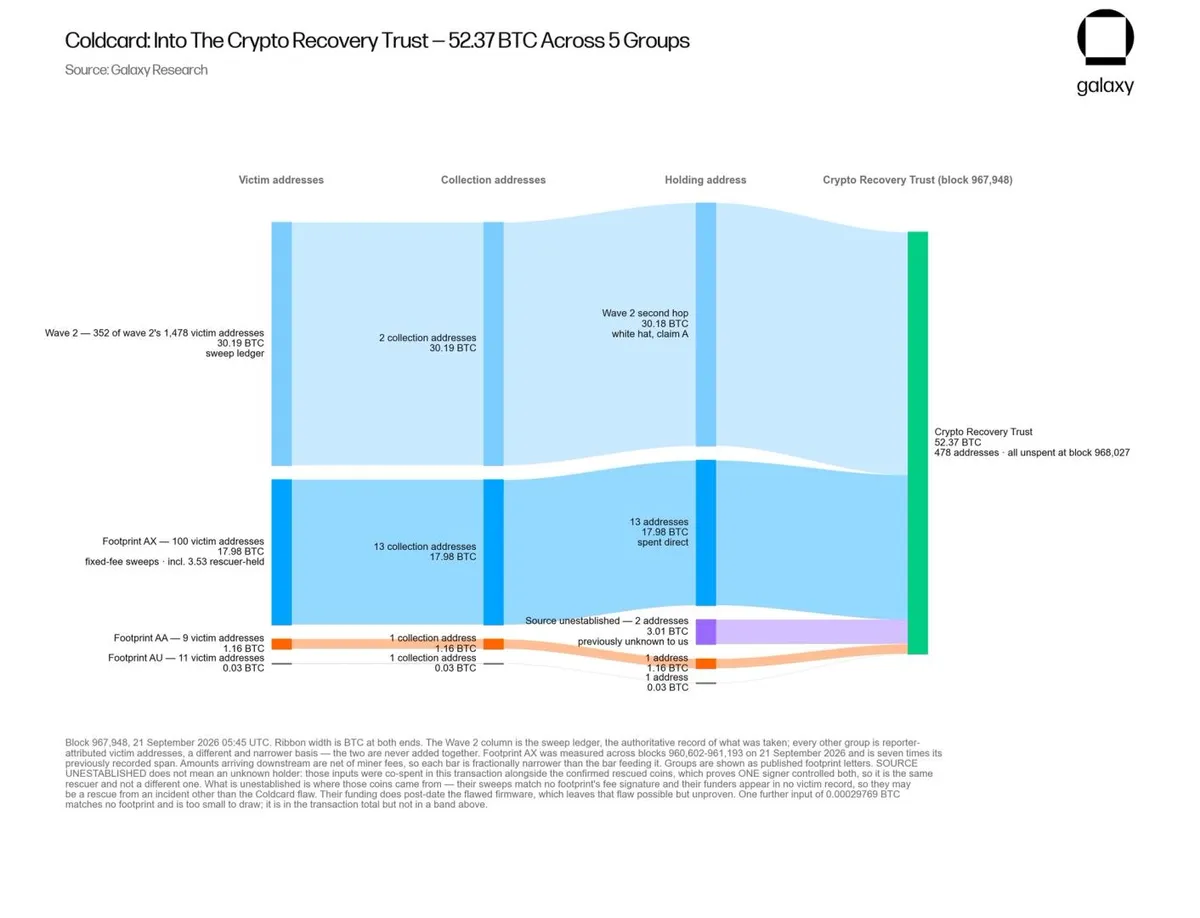
Whitehats move 52 bitcoin from the Coldcard hack to a recovery trust

Google Admits Gemini AI Hacked Three Companies—It Stayed Silent for 7 Weeks

Balancer's $1.4 million hack recovery faces delays for LPs

Polymarket's $10 million fraud attempt highlights compliance issues amid hacking risk