The $292 million Kelp DAO exploit shows why crypto bridges are still one of the industry's weakest links

The recent exploit of Kelp DAO, resulting in a staggering loss of $292 million, has once again highlighted the vulnerabilities inherent in crypto bridges. These bridges, designed to facilitate the transfer of assets between different blockchain networks, have become a focal point for hackers seeking to exploit weaknesses in decentralized finance (DeFi). The Kelp DAO incident underscores the structural issues that plague these systems, as the attack capitalized on the complex interdependencies and trust assumptions that are often opaque to users and developers alike.
Crypto bridges have been a critical innovation in the blockchain space, allowing for greater interoperability between networks. However, the architecture of these bridges often relies on shared infrastructure and assumptions about security that can be easily compromised. In the case of Kelp DAO, the exploit revealed that despite significant advancements in technology, the underlying systems remain susceptible to attack due to their complexity. As the DeFi space continues to grow, the reliance on such vulnerable infrastructure raises concerns about the overall security of the ecosystem.
The implications of the Kelp DAO exploit extend beyond just the immediate financial losses; they cast a shadow over the future of cross-chain transactions. As more users and projects turn to these bridges for asset transfers, the risk of further exploits looms large. Market participants may become increasingly hesitant to engage with projects that utilize bridges, potentially stalling innovation and growth in the sector. This incident may lead to a reevaluation of security measures and greater scrutiny of the protocols governing these systems.
Industry experts have voiced their concerns regarding the exploit, emphasizing the need for heightened security protocols and a more robust architectural framework. Many argue that the current model of relying on complex systems with hidden trust assumptions is fundamentally flawed. Some suggest that the industry must prioritize transparency and simplicity in the design of bridges to mitigate risks and protect users from potential losses. The Kelp DAO exploit serves as a wake-up call for developers to reassess their strategies and implement stronger safeguards against future attacks.
Looking ahead, the crypto community may witness a shift towards more secure bridge designs and increased regulatory scrutiny as a response to the Kelp DAO incident. Developers might focus on simplifying the underlying structures of bridges and reinforcing security measures to prevent similar exploits in the future. As the industry evolves, ensuring the safety of cross-chain transactions will be paramount to fostering trust and encouraging broader adoption of blockchain technology.

CoinMagnetic Team
Crypto investors since 2017. We trade with our own money and test every exchange ourselves.
Updated: April 2026
From our insights:
Related news

Coldcard exploit sees white hats secure 52 Bitcoin for victims' trust
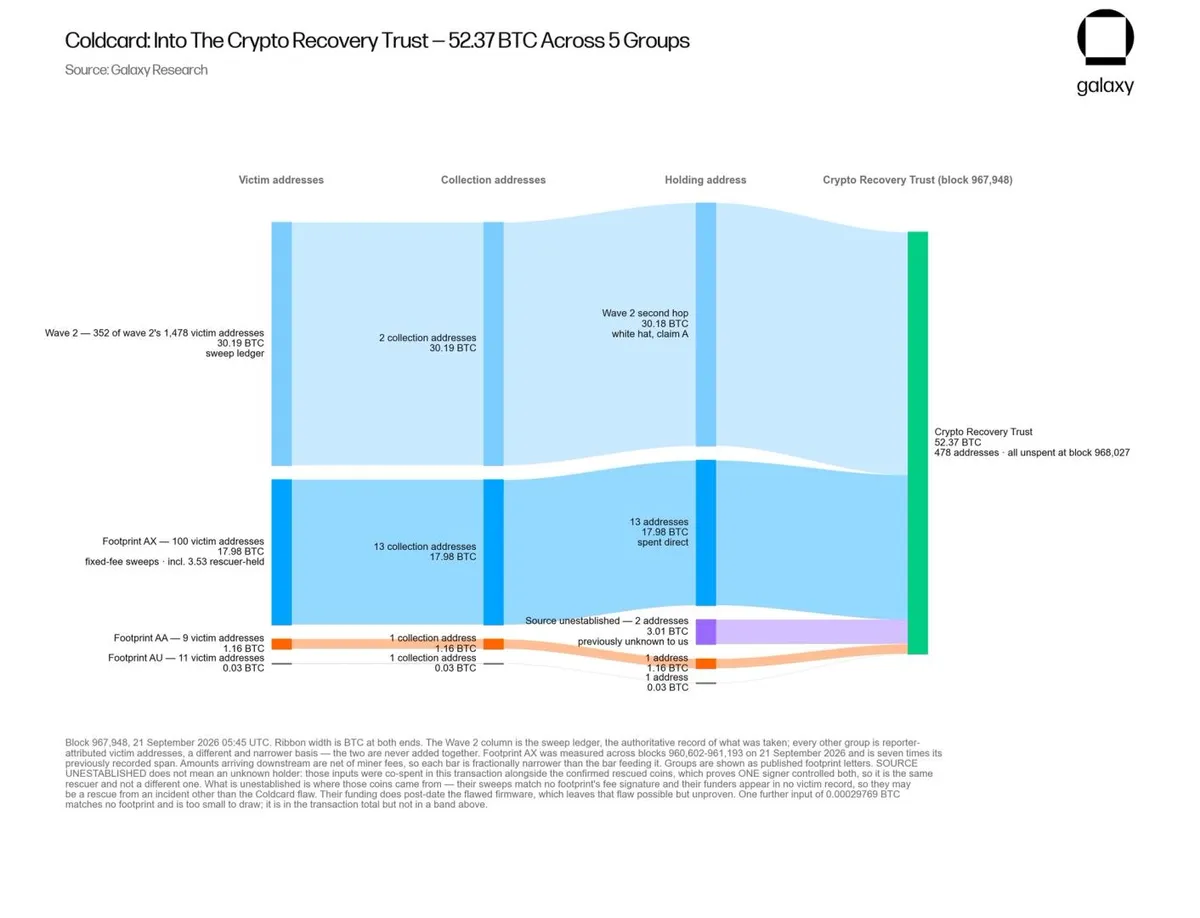
Whitehats move 52 bitcoin from the Coldcard hack to a recovery trust

Google Admits Gemini AI Hacked Three Companies—It Stayed Silent for 7 Weeks

Balancer's $1.4 million hack recovery faces delays for LPs

Polymarket's $10 million fraud attempt highlights compliance issues amid hacking risk