Lido proposes allocating up to $5.8 million in staked ETH to back Kelp exploit shortfall
Lido has put forth a proposal to allocate up to $5.8 million in staked ETH to help cover the shortfall resulting from the recent exploit of Kelp DAO's rsETH bridge, which suffered a staggering loss of approximately $292 million. The swift response from Lido highlights the interconnected nature of decentralized finance (DeFi) platforms, as they seek to mitigate the impact of such catastrophic events. The proposal is currently up for discussion, and Lido's community members are being called upon to weigh in on the potential allocation of these funds to alleviate the aftermath of the exploit.
The Kelp DAO exploit that transpired last week has sent shockwaves through the DeFi ecosystem, raising questions about the security protocols in place across various platforms. The rsETH bridge was designed to facilitate the seamless transfer of staked ETH but unexpectedly became the target of a sophisticated attack. This incident is not isolated; rather, it reflects a growing trend of vulnerabilities in DeFi infrastructure, where the evolving tactics of malicious actors continue to outpace security measures. Lido’s decision to step in demonstrates a commitment not only to the affected users but also to the broader DeFi landscape.
The allocation of funds from Lido could serve as a critical lifeline for Kelp DAO and its users, who are grappling with significant financial losses. This move may instill a sense of confidence in the DeFi community, as it underscores the importance of collaboration and support among platforms during challenging times. Moreover, Lido’s proactive stance may encourage other projects to create similar safety nets, ultimately bolstering the resilience of the DeFi ecosystem. As the market reacts to this development, it remains to be seen how it will influence investor sentiment and the volatility of related assets.
Industry experts have expressed mixed reactions to Lido's proposal. Some view it as a necessary and commendable step that showcases the importance of community support in the face of adversity. Others, however, caution that such interventions could create a precedent that may encourage risky behavior among projects, knowing they might be bailed out in times of crisis. The debate emphasizes the ongoing challenges faced by the DeFi sector, particularly regarding risk management and the accountability of protocols.
Looking ahead, the outcome of Lido's proposal will be crucial in determining not just the fate of Kelp DAO, but also the future of collaborative efforts within the DeFi space. If approved, this allocation could pave the way for more structured approaches to security and disaster recovery in the ecosystem. As discussions continue, stakeholders will be watching closely, eager to see how this situation evolves and what it might mean for the broader market dynamics in the wake of such an exploit.

CoinMagnetic Team
Crypto investors since 2017. We trade with our own money and test every exchange ourselves.
Updated: April 2026
From our insights:
Related news

White hats outrun Coldcard hackers in 52-Bitcoin evacuation
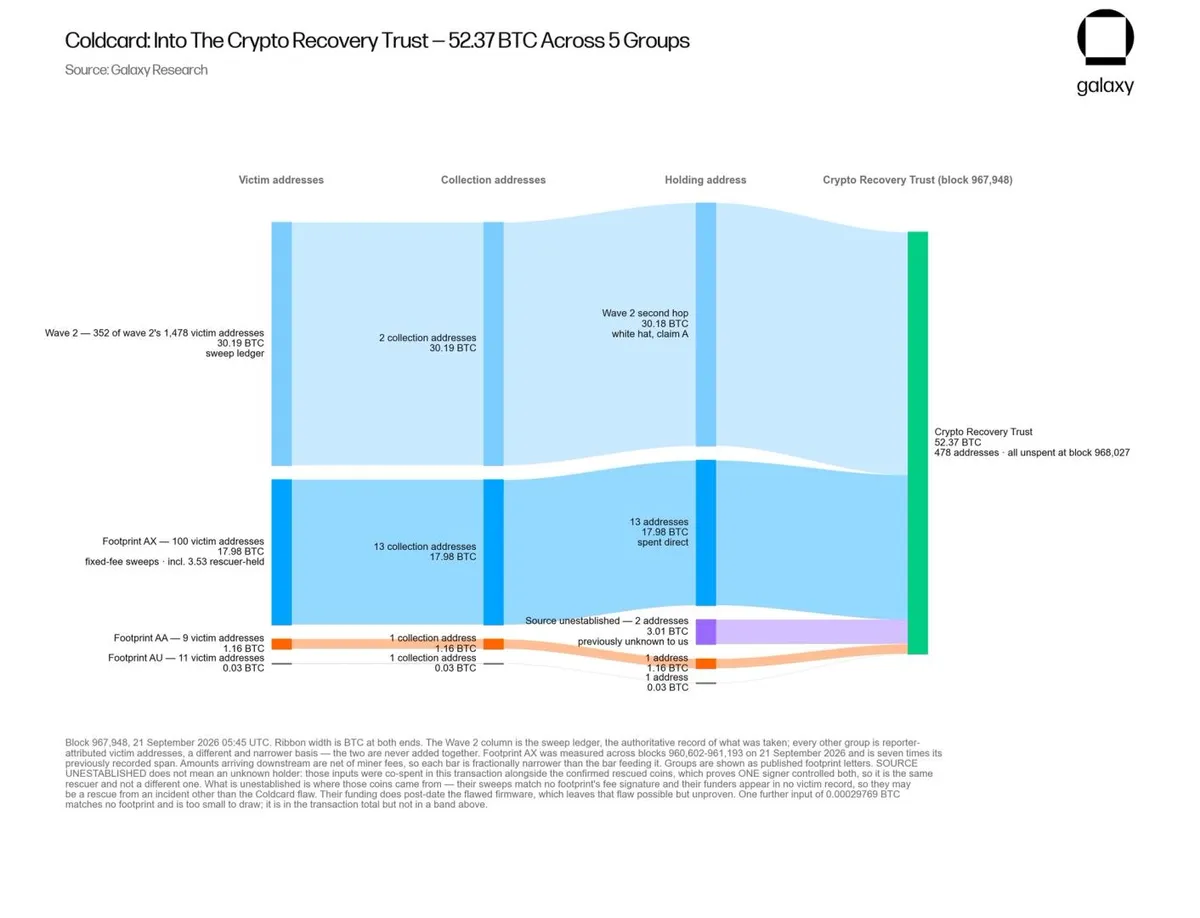
Whitehats move 52 bitcoin from the Coldcard hack to a recovery trust

Google Admits Gemini AI Hacked Three Companies—It Stayed Silent for 7 Weeks

Balancer's $1.4 million hack recovery faces delays for LPs

Polymarket's $10 million fraud attempt highlights compliance issues amid hacking risk