US Senator questions Mark Zuckerberg on Meta’s stablecoin plans

US Senator Elizabeth Warren recently pressed Meta CEO Mark Zuckerberg about the company's plans for integrating stablecoins into its platform. This inquiry comes on the heels of Meta's recent limited rollout of a stablecoin feature aimed at creators in Colombia and the Philippines. During the questioning, Warren sought clarity on how this integration would work, its implications for consumer protection, and how it aligns with regulatory frameworks. The senator’s scrutiny reflects growing concerns among lawmakers regarding the potential risks associated with cryptocurrencies and digital payment systems.
Meta's foray into stablecoins is not a new concept; the company has been exploring digital currency initiatives for years, most notably with its previously announced Libra project, which has since evolved into Diem before being abandoned. The recent pilot program represents a more cautious approach, focusing on a select group of creators and specific markets. This strategy appears designed to test the waters in a highly regulated environment while gauging user response before a broader release.
The implications of Meta's stablecoin plans are significant for the cryptocurrency market. As one of the largest social media platforms globally, Meta has the potential to introduce millions of users to digital currencies, which could further drive mainstream adoption. Additionally, the integration of stablecoins could enhance transaction efficiency on the platform, offering users a seamless payment method for services and goods. However, it also raises questions about regulatory compliance and the potential for market manipulation, issues that have long plagued the cryptocurrency space.
Industry reactions to Warren's questioning have been mixed. Some experts view the senator's inquiries as necessary oversight, emphasizing the importance of ensuring consumer protection and preventing financial instability. Others argue that such scrutiny could stifle innovation, suggesting that regulatory frameworks should evolve alongside technological advancements rather than hinder them. The discussion reflects a broader debate in the financial community about the balance between regulation and the need for innovation in the rapidly evolving digital currency landscape.
Looking ahead, it remains to be seen how Meta will respond to Warren's questions and how this will influence their stablecoin rollout. The company may need to provide more transparency and engage with regulators to address concerns effectively. Additionally, as the regulatory landscape continues to evolve, other companies in the cryptocurrency space will be watching closely, as Meta's decisions could set precedents that impact future digital currency initiatives across the industry.

CoinMagnetic Team
Crypto investors since 2017. We trade with our own money and test every exchange ourselves.
Updated: May 2026
From our insights:
Related news

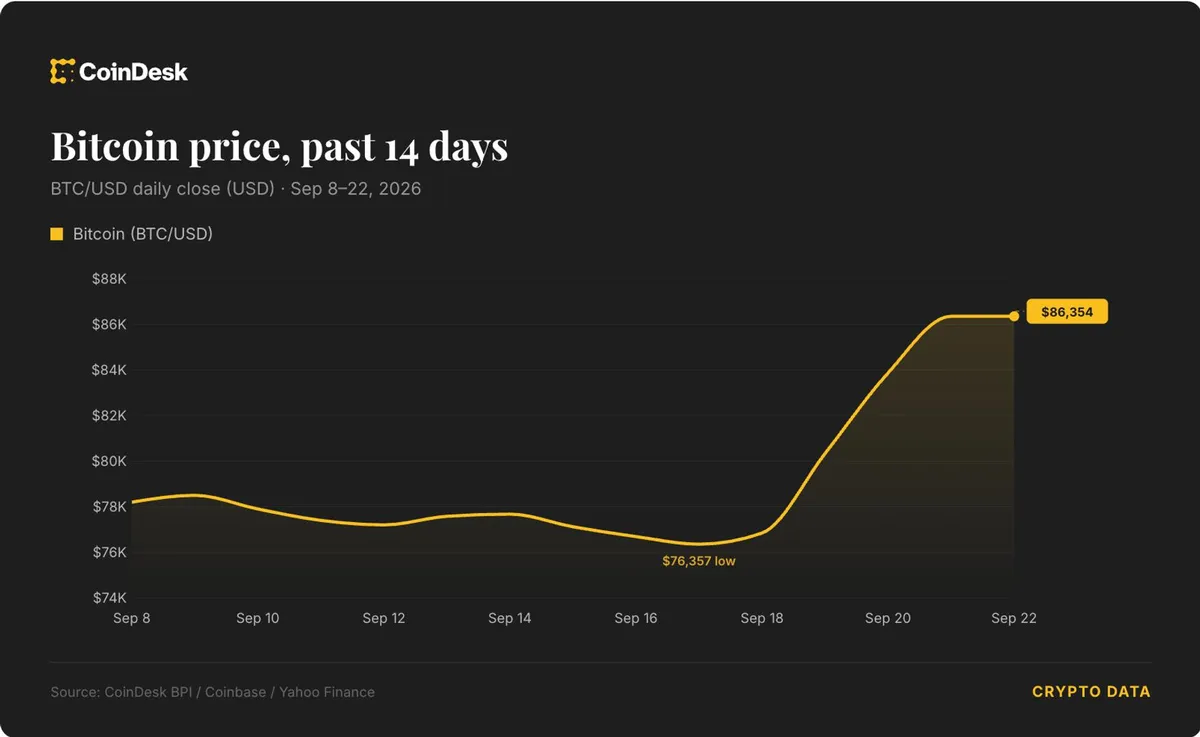
Bitcoin surges past $86,000 as $1 billion in shorts are liquidated, eyes on $90,000

Bitcoin bounces back to $86,000 as oil prices decline and stocks rise

Prediction markets projected to reach $10 trillion by 2035, surpassing sports
Iran hints at reopening Strait of Hormuz, WTI oil drops to $89

New altseason signal emerges as Bitcoin market cap stays under 60%