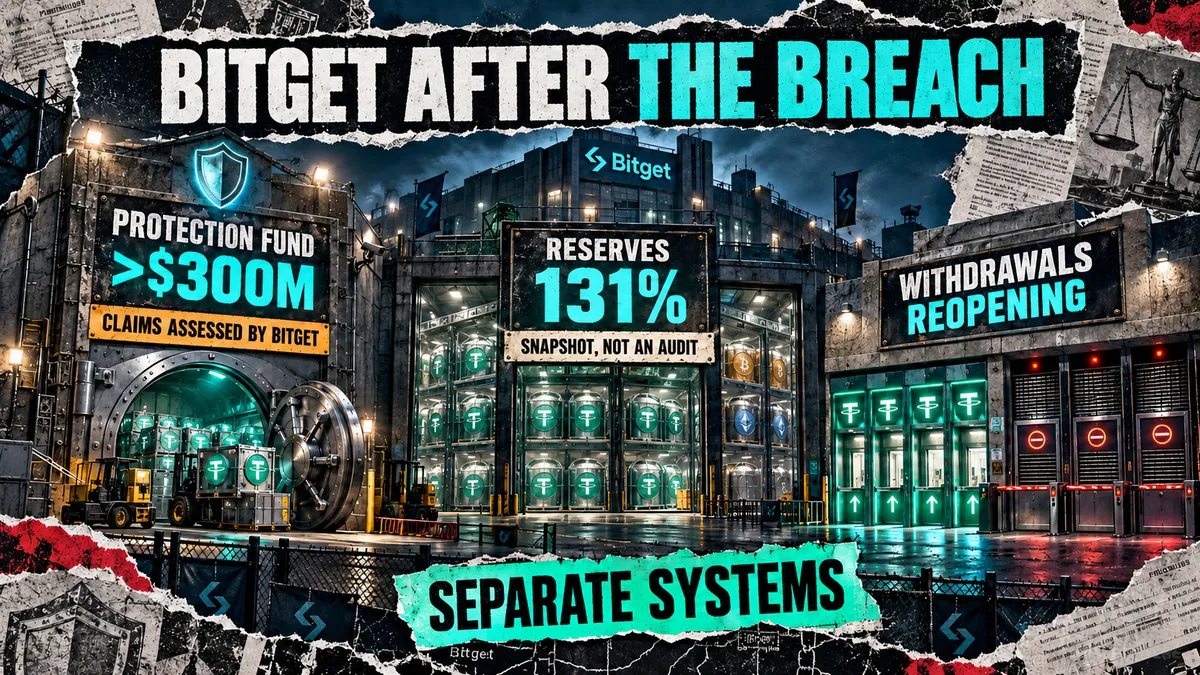
US senator calls for ban on elected officials issuing memecoins
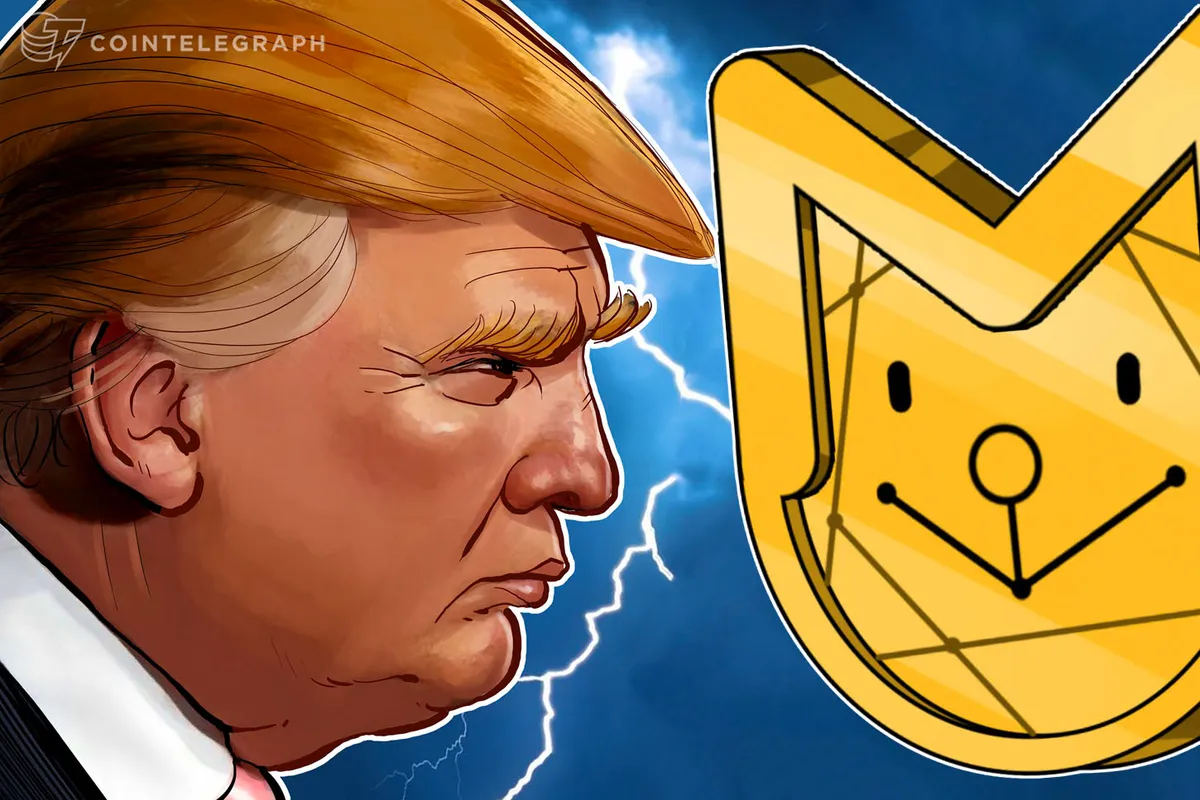
In a recent move that has garnered significant attention, Senator Kirsten Gillibrand has proposed a ban on elected officials from issuing or sponsoring their own digital assets, specifically targeting memecoins. This initiative aims to prevent potential conflicts of interest and safeguard the integrity of public office. Under the proposed legislation, members of Congress, the President of the United States, and their spouses would be prohibited from creating or promoting any form of cryptocurrency, including the increasingly popular and often volatile memecoins. This proposal underscores the growing concerns surrounding the intersection of politics and cryptocurrency.
The push for this ban comes at a time when the cryptocurrency market is experiencing both remarkable growth and intense scrutiny. Memecoins, which often gain popularity through social media and community-driven hype rather than fundamental value, have raised ethical questions regarding transparency and accountability among public figures. The history of politicians engaging in cryptocurrency ventures has been marked by controversy, with some officials facing accusations of leveraging their positions for personal gain. Gillibrand's proposal reflects an effort to address these issues head-on and to promote a higher standard of conduct among elected officials in the rapidly evolving digital asset landscape.
This proposed restriction could have significant implications for the cryptocurrency market. By limiting the involvement of elected officials in the issuance of digital assets, it may create a more stable environment for investors who are wary of potential insider trading or conflicts of interest. Furthermore, this move could enhance public trust in the crypto space, which has been marred by scams and unethical practices. If implemented, the ban could also discourage the emergence of new memecoins that rely on the endorsements of influential figures, potentially leading to a more cautious approach to investment in the sector.
The industry reaction to Gillibrand's proposal has been mixed, with some experts applauding the intent to regulate and provide clarity, while others express concern about the potential overreach of government intervention. Proponents argue that establishing clear rules for elected officials could help enhance the legitimacy of cryptocurrencies. However, critics warn that such measures could stifle innovation and limit the ability of public figures to engage with emerging technologies that could benefit society. This divide highlights the ongoing debate regarding the appropriate balance between regulation and freedom within the cryptocurrency ecosystem.
Looking ahead, it remains to be seen how this proposal will progress through the legislative process. If it gains traction, it may prompt further discussions on the need for comprehensive regulations surrounding digital assets and the responsibilities of public officials in managing conflicts of interest. As the crypto landscape continues to evolve, more stakeholders will likely engage in conversations about ethical standards and regulatory frameworks that can protect both investors and the integrity of public office.

CoinMagnetic Team
Crypto investors since 2017. We trade with our own money and test every exchange ourselves.
Updated: July 2026
From our insights:
Related news

Spanish police detain 16-year-old linked to KillSec ransomware operations
SEC's new custody framework boosts Bitcoin's $113,000 outlook amid 9 crypto actions
Electrum patches Lightning flaw, but old Bitcoin backups break

South Korea advances tokenized securities rules ahead of 2027 rollout

Robinhood faces hurdles in launching stock tokens due to SEC's innovation exemption