US sanctions Nobitex and other Iranian crypto exchanges under ‘Economic Fury’ campaign
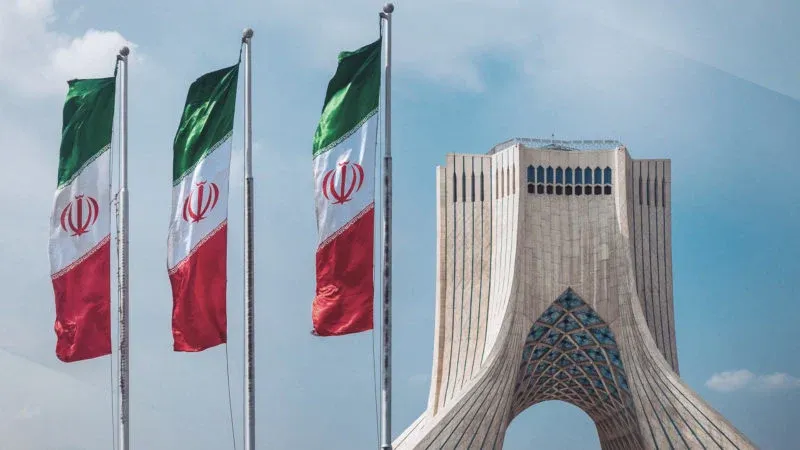
The U.S. Treasury has recently imposed sanctions on Nobitex, one of Iran's largest cryptocurrency exchanges, along with several other Iranian crypto platforms, under a campaign dubbed “Economic Fury.” This initiative aims to disrupt financial networks allegedly used to fund illicit activities, including sanctions evasion and terrorism. The Treasury Department highlighted that Nobitex managed over half of Iran's cryptocurrency inflows last year, making it a significant player in the nation's digital asset landscape. The sanctions are part of a broader effort to apply economic pressure on Iran amid ongoing tensions regarding its nuclear program and regional activities.
The context surrounding these sanctions is rooted in the U.S.'s long-standing strategy to curb Iran's financial capabilities, particularly through digital currencies that can circumvent traditional banking systems. The rise of cryptocurrency in Iran has been notable, especially as the nation faces severe economic challenges and international isolation. With the U.S. tightening its grip on Iran's economy, the Iranian government has increasingly turned to digital assets as a means to facilitate trade and bolster its financial system. This has heightened the scrutiny of exchanges like Nobitex, which facilitate a substantial volume of crypto transactions within the country.
The implications of these sanctions for the broader cryptocurrency market are significant. As major exchanges face the risk of sanctions, it raises concerns about the compliance and regulatory frameworks that govern crypto trading platforms globally. Additionally, it could deter international investors from engaging with Iranian exchanges, further isolating Iran in the digital finance space. The sanctions may also provoke a shift in how crypto transactions are conducted within Iran, potentially driving them underground or to less-regulated platforms, which could pose additional risks for both users and the market as a whole.
Industry reactions have been mixed, with some experts expressing concern over the impact of such sanctions on legitimate crypto users in Iran, while others argue that they are a necessary step to combat illicit financial activities. Analysts have noted that the sanctions could potentially lead to a crackdown on not just exchanges but also on individual crypto users within Iran who rely on these platforms for their financial needs. Additionally, there is a growing discourse on the need for clearer regulatory guidelines that balance the fight against illicit activities with the promotion of innovation and legitimate use cases in the crypto space.
Looking ahead, it remains to be seen how these sanctions will affect the operational landscape for crypto exchanges in Iran and the broader Middle East. Exchanges may be compelled to adapt by increasing their compliance measures or shifting their business models to mitigate the risks of being sanctioned. Moreover, the international crypto community will likely keep a close watch on developments, as these actions could set precedents for how governments regulate and interact with digital currencies in the future. As geopolitical tensions evolve, the relationship between regulation, innovation, and market integrity will continue to be a key focus for industry stakeholders.

CoinMagnetic Team
Crypto investors since 2017. We trade with our own money and test every exchange ourselves.
Updated: June 2026
From our insights:
Related news

Australia's 40-year economic outlook highlights AI but ignores crypto's role

Google and Apple pursuing crypto experts for stablecoin and tokenization projects
Kraken integrates with X to streamline crypto trading via social media
Kalshi proposes US stock perpetual futures as Coinbase enters market
Exchanges reduce token risk values, tightening conditions for leveraged traders