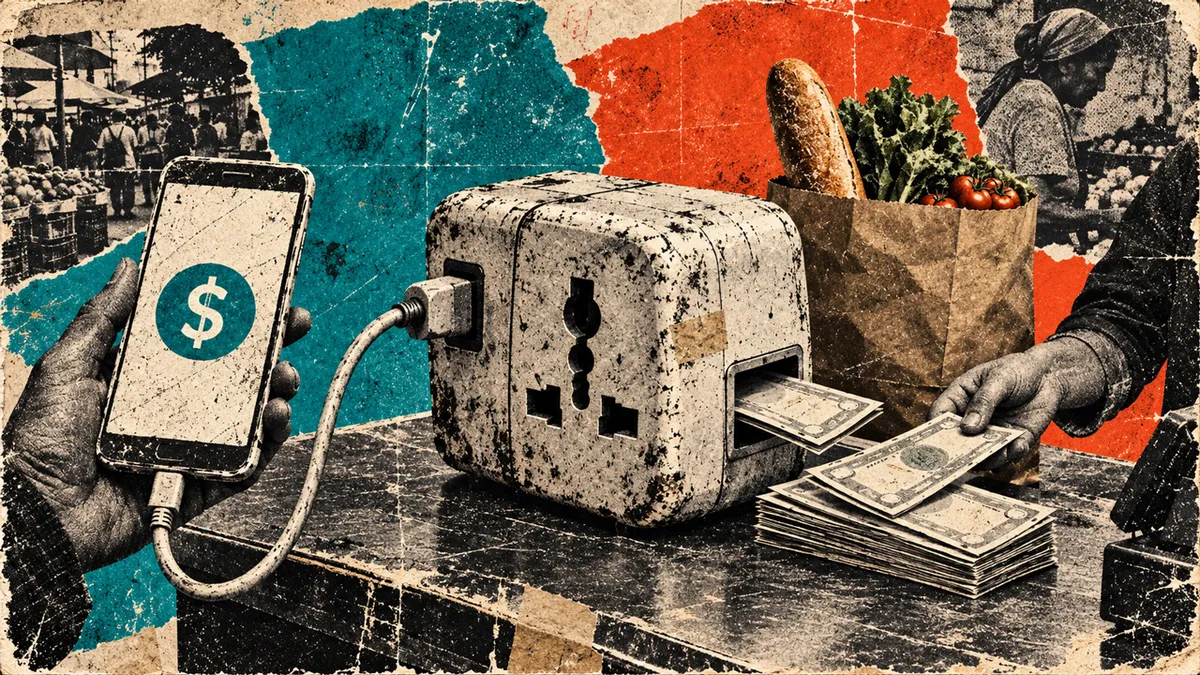
US sanctions Iranian maritime firm, says it accepted Bitcoin to evade restrictions

The U.S. Treasury Department has recently imposed sanctions on HormuzSafe, an Iranian maritime company, for allegedly accepting Bitcoin and other cryptocurrencies as a means to circumvent existing financial restrictions. According to the Treasury's statement, HormuzSafe has been linked to the Iranian Islamic Revolutionary Guard Corps (IRGC), which has long been subject to U.S. sanctions due to its role in supporting terrorism and destabilizing activities in the region. This development highlights growing concerns over how cryptocurrencies are being utilized by sanctioned entities to facilitate their operations and generate revenue.
To provide some context, the use of cryptocurrencies by sanctioned countries has been an ongoing issue for regulators worldwide. Iran has been under heavy sanctions for years, especially since the U.S. withdrew from the Iran nuclear deal in 2018. In an effort to mitigate the impact of these sanctions, Iranian entities have increasingly turned to digital assets, which offer a level of anonymity and can be more challenging to trace compared to traditional financial transactions. HormuzSafe's alleged acceptance of Bitcoin underscores the potential of cryptocurrencies to be exploited in ways that undermine international sanctions.
This development is significant for the broader cryptocurrency market as it raises questions about regulatory oversight and the implications for digital assets in general. The fact that a U.S. entity is targeting a maritime firm for its use of Bitcoin could lead to more stringent regulations and scrutiny of cryptocurrency transactions. Investors and companies involved in the crypto space might face heightened compliance requirements, which could impact the growth and adoption of digital assets. Furthermore, this situation may deter some investors who are concerned about the potential for regulatory crackdowns in the future.
Industry experts have reacted to this news with a mix of concern and resignation. Some believe that increased sanctions and regulatory measures could hinder the innovative potential of cryptocurrencies, while others argue that the industry should embrace stronger compliance frameworks to avoid being associated with illicit activities. Crypto advocates often emphasize the importance of self-regulation and transparency in the space, suggesting that initiatives aimed at fostering legitimacy could help mitigate negative perceptions and regulatory backlash.
Looking ahead, the implications of these sanctions may lead to further discussions among policymakers and regulators about how to balance the benefits of innovation in the cryptocurrency sector with the need for security and compliance. As the U.S. continues to crack down on entities that misuse digital assets, we may see a ripple effect in other jurisdictions, prompting countries to reevaluate their own approaches to cryptocurrency regulation. The relationship between cryptocurrencies and international sanctions will likely remain a focal point as the industry evolves, demanding ongoing attention from both market participants and regulators.

CoinMagnetic Team
Crypto investors since 2017. We trade with our own money and test every exchange ourselves.
Updated: July 2026
From our insights:
Related news

CryptoQuant says bitcoin must clear resistance at $81,700 to confirm new bull market
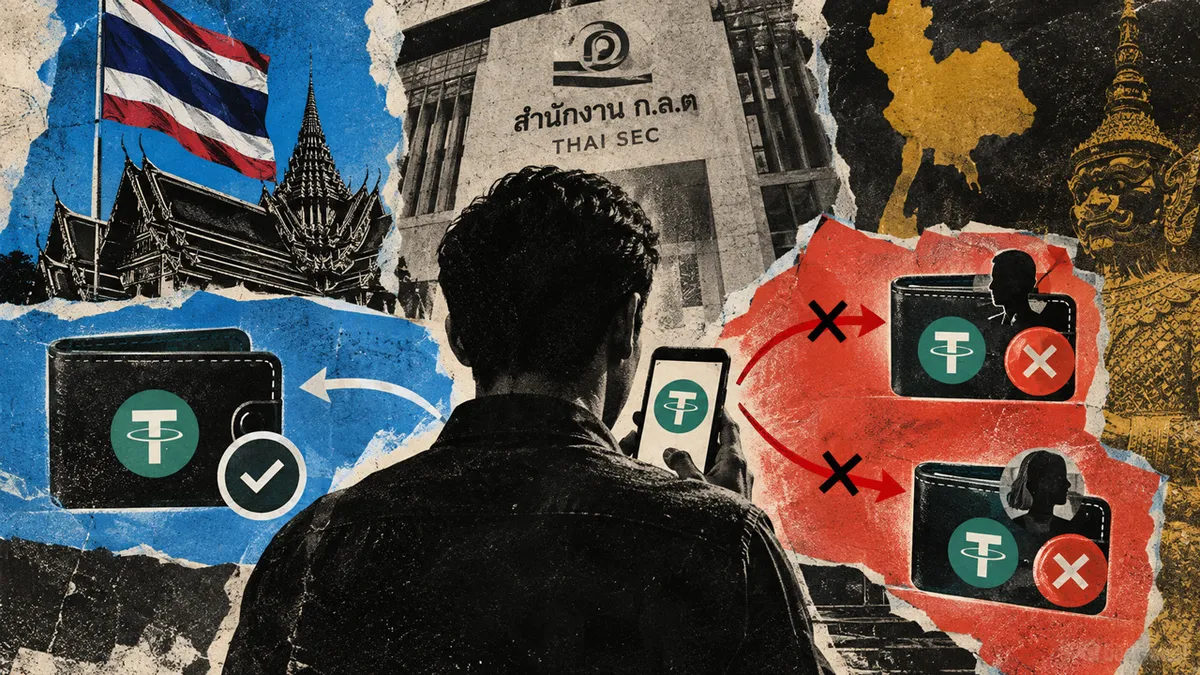
Thailand's stablecoin plan restricts transfers to users' own wallets

Sam Altman confirms OpenAI IPO is off the table for 2023
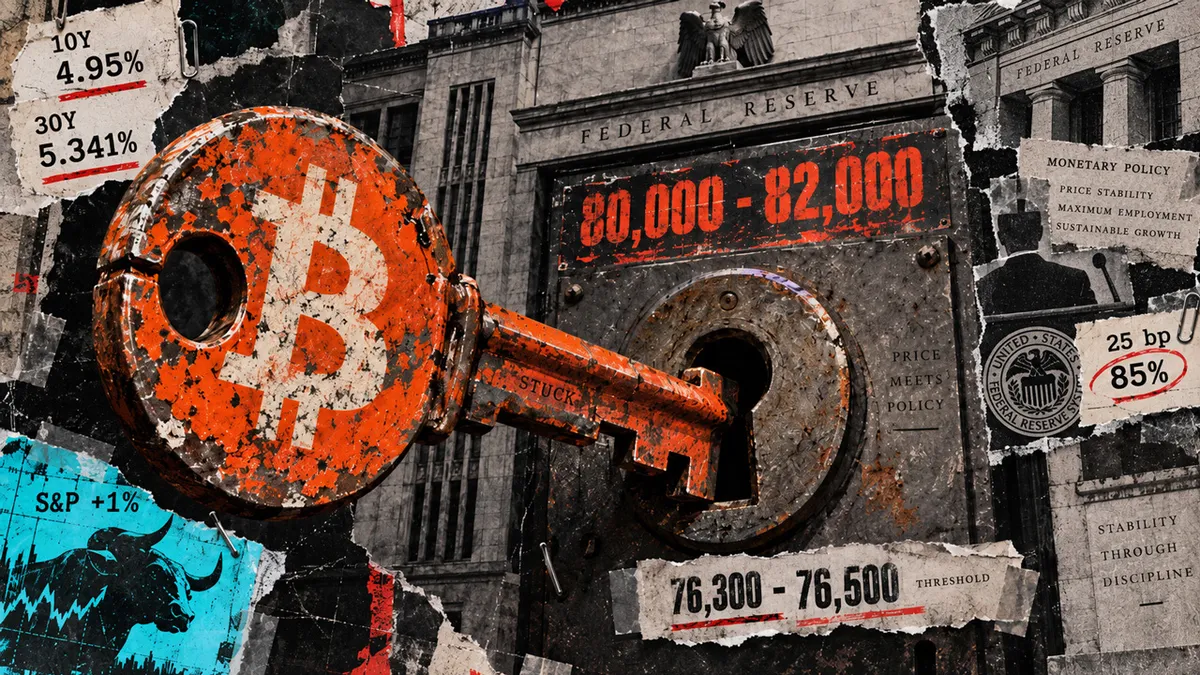
Bitcoin’s $80,000 ceiling looks fragile after stocks shrugged off near-5% Treasury yields
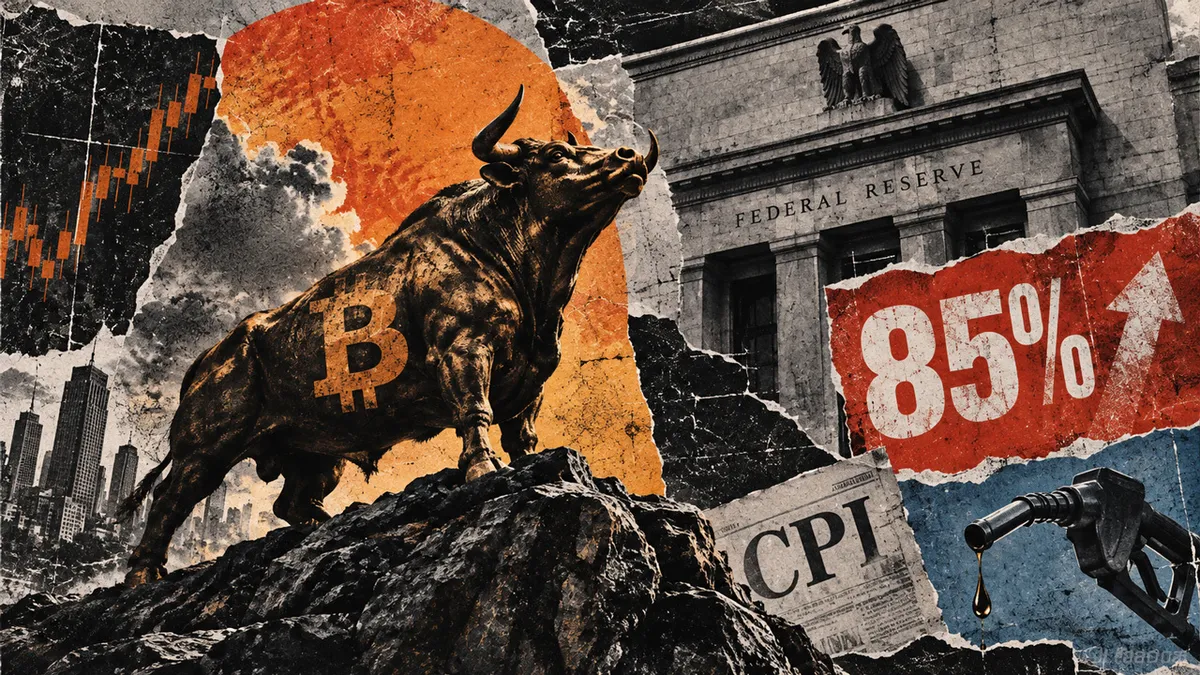
Bitcoin gains persist as traders see 85% chance of September rate hike