US sanctions Iranian crypto exchange and its software developer over alleged IRGC Bitcoin transfers
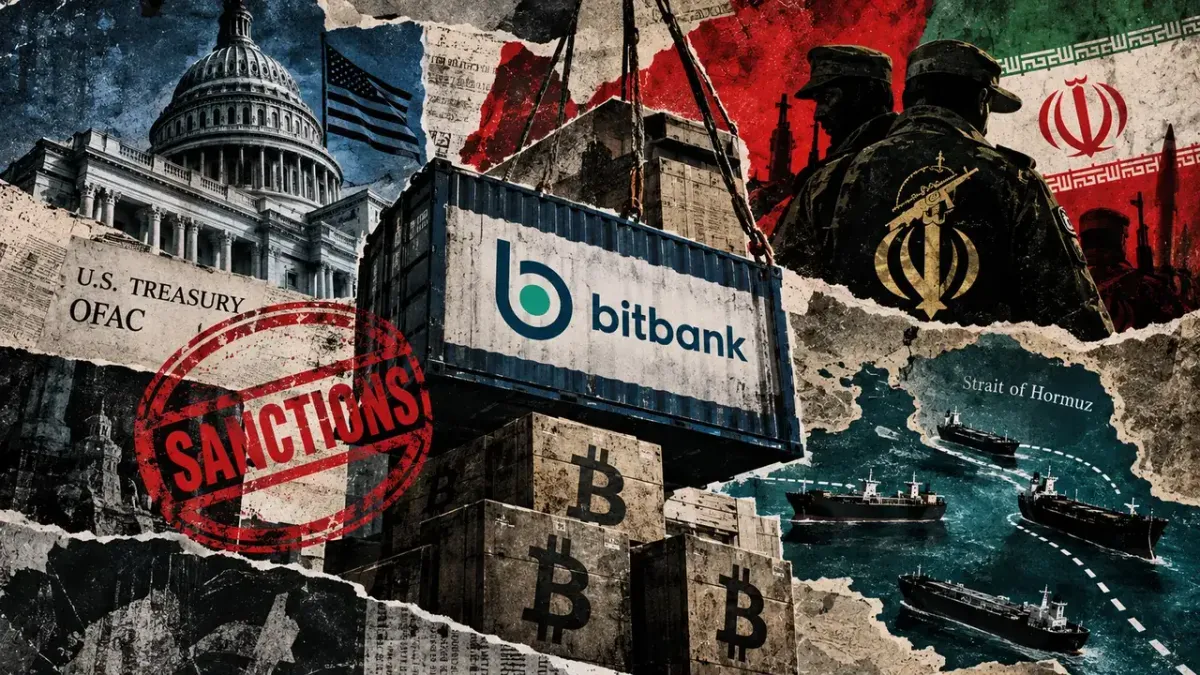
The U.S. Treasury Department has placed sanctions on an Iranian cryptocurrency exchange and its associated software developer due to allegations of facilitating Bitcoin transfers to the Islamic Revolutionary Guard Corps (IRGC). This move is part of a broader strategy to curb financial resources that could potentially support terrorist activities and destabilize the region. The Treasury's announcement outlines that the exchange, identified as Hormuz Safe, was involved in processing payments that were allegedly directed towards the IRGC, a military branch that the U.S. has designated as a terrorist organization.
The sanctions come amidst escalating tensions between the U.S. and Iran, particularly concerning Iran's nuclear program and its military engagements across the Middle East. In recent years, cryptocurrencies have emerged as a significant means for nations and organizations under sanctions to move money across borders, raising concerns in Washington about their potential use in funding illicit activities. The Treasury's actions highlight its ongoing efforts to monitor and disrupt such financial networks that operate outside conventional banking systems.
This development is crucial for the cryptocurrency market, as it underscores the increasing scrutiny that regulatory bodies are placing on digital assets. With the U.S. government actively targeting exchanges that facilitate questionable transactions, there may be a ripple effect on how exchanges operate, particularly those with ties to countries facing sanctions. Market participants might expect greater regulatory oversight in the future, which could impact trading volumes and the overall market sentiment.
Industry reactions have been mixed, with some experts expressing support for the sanctions as a necessary step to combat illegal activities, while others warn that such measures could stifle innovation in the blockchain space. The broader crypto community has long debated the balance between regulation and decentralization, and this incident may reignite discussions on how to ensure compliance without hampering the growth of the industry. Additionally, compliance-focused exchanges may see a surge in demand as users seek safer platforms amidst increasing regulatory scrutiny.
Looking ahead, it remains to be seen how the Iranian exchange will respond to the sanctions and what implications this will have for other exchanges that operate in similar environments. The situation could serve as a precedent for future actions against exchanges worldwide, prompting them to adopt stricter compliance measures. As the U.S. continues to navigate its foreign policy and economic strategies, the intersection of crypto and geopolitics will likely remain a focal point for regulators and market participants alike.

CoinMagnetic Team
Crypto investors since 2017. We trade with our own money and test every exchange ourselves.
Updated: September 2026
From our insights:
Related news
Ava Labs president says NYSE spent a year testing Avalanche technology for tokenization plans
Lagarde's intervention delays Binance's EU MiCA license approval, says WSJ

Kevin O’Leary returns to crypto, eyes stock exchange blockchain adoption as key moment
SEC grants 5-year exemption for trading tokenized securities venues

Hamas advises donors to use Bybit and OKX over Binance for funding